

“Pestalozzi-Fröbel-Haus II” in Schöneberg, as the magazine Berliner Leben printed it in 1906: House II held Hedwig Heyl’s school of cookery and home economics.Photo: Unknown photographer, 1906. Via Wikimedia Commons (Public domain).
Kaiserreich BerlinFive women, five institutions
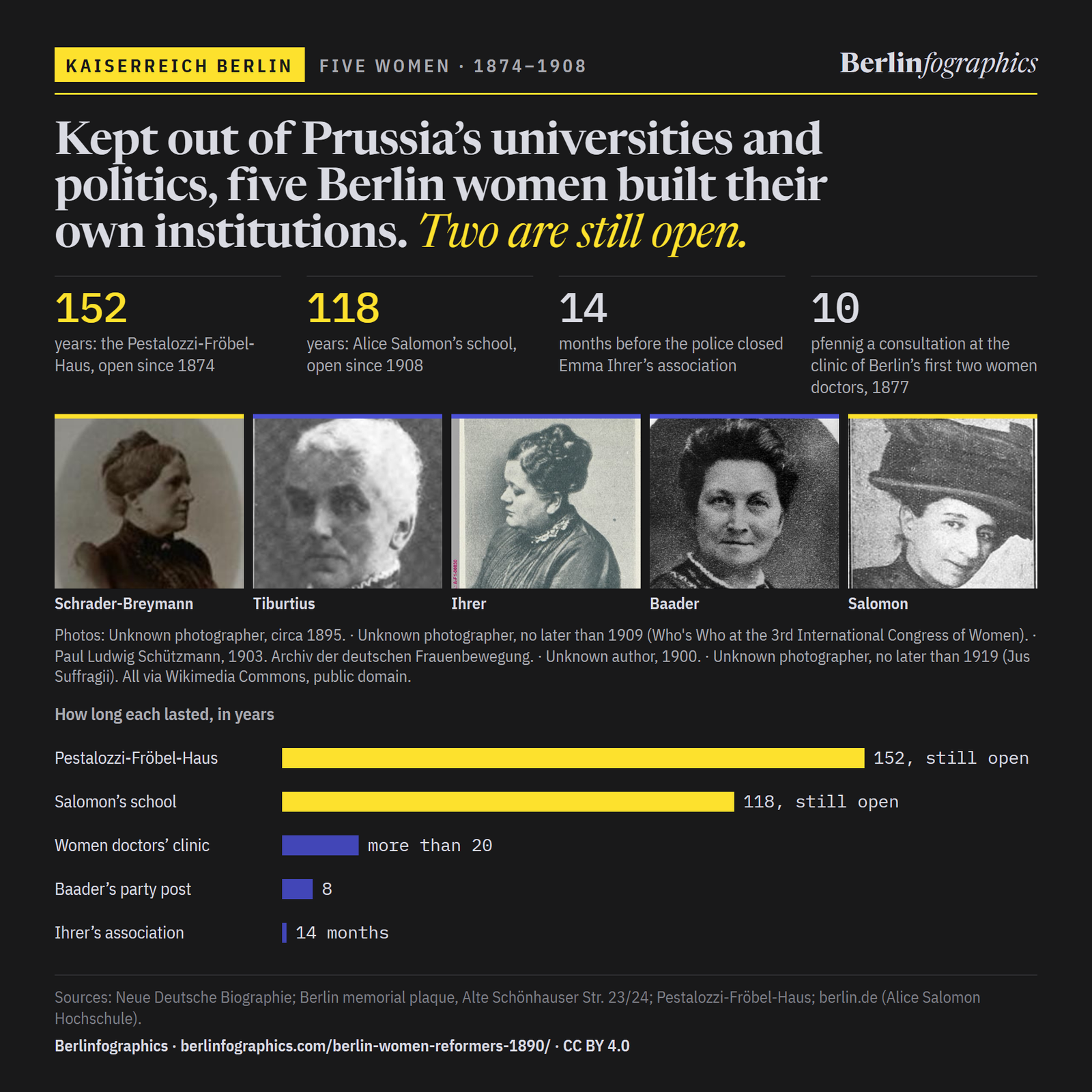
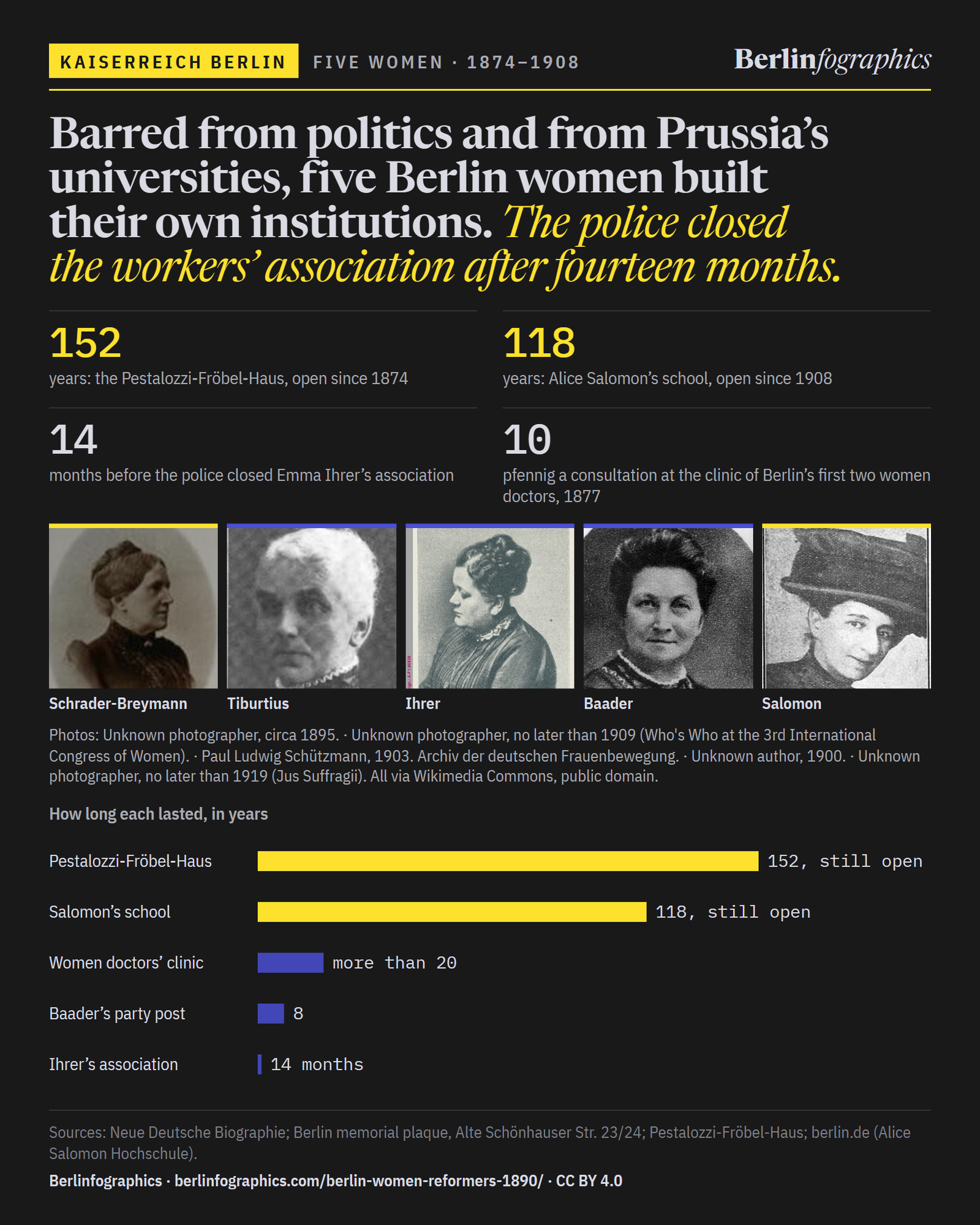
Berlin’s first two women doctors had to qualify in Zurich. The police closed Emma Ihrer’s association for working women as “political” after fourteen months. But the kindergarten house Henriette Schrader-Breymann opened in 1874 is still running 152 years later — and so is the school of social work Alice Salomon founded in 1908, from which the Nazis later drove her.
Scroll: five women, five lanes
01Two laws, until 1908
Association laws in every German state forbade women any political activity. Prussian universities let women into lectures only as guests; to study properly, they had to go abroad. Both bars fell in the same year: an association law for the whole Reich in 1908, and on 18 August 1908 the right of women to matriculate in Prussia.
The five women in this story built inside those limits — and in four of the five cases, before they fell.
Women barred from political associations and parties.
until 1908Women in Prussia may attend lectures as guests, not study.
until 18 Aug 1908
02Five lanes
1874 · Berlin
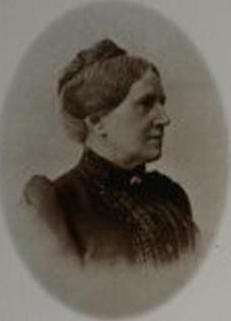
Trained by Friedrich Fröbel himself in 1848, she moved to Berlin after her marriage in 1872. In 1874 she set up a house for young children and, from 1878, a seminar to train the women who taught them. It is still open.
Source: NDB/ADB, Schrader-Breymann · Pestalozzi-Fröbel-Haus archive
18 June 1877
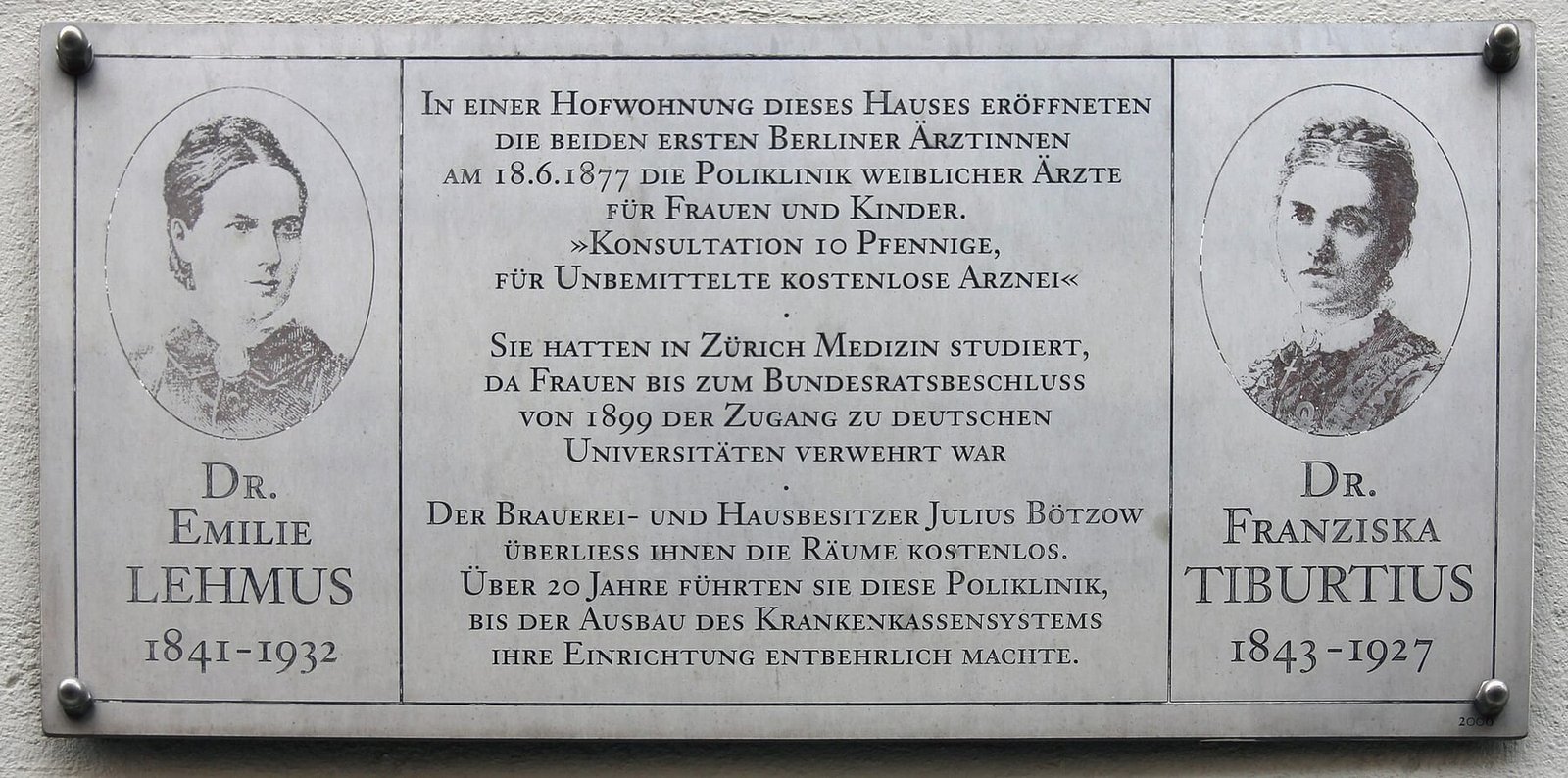
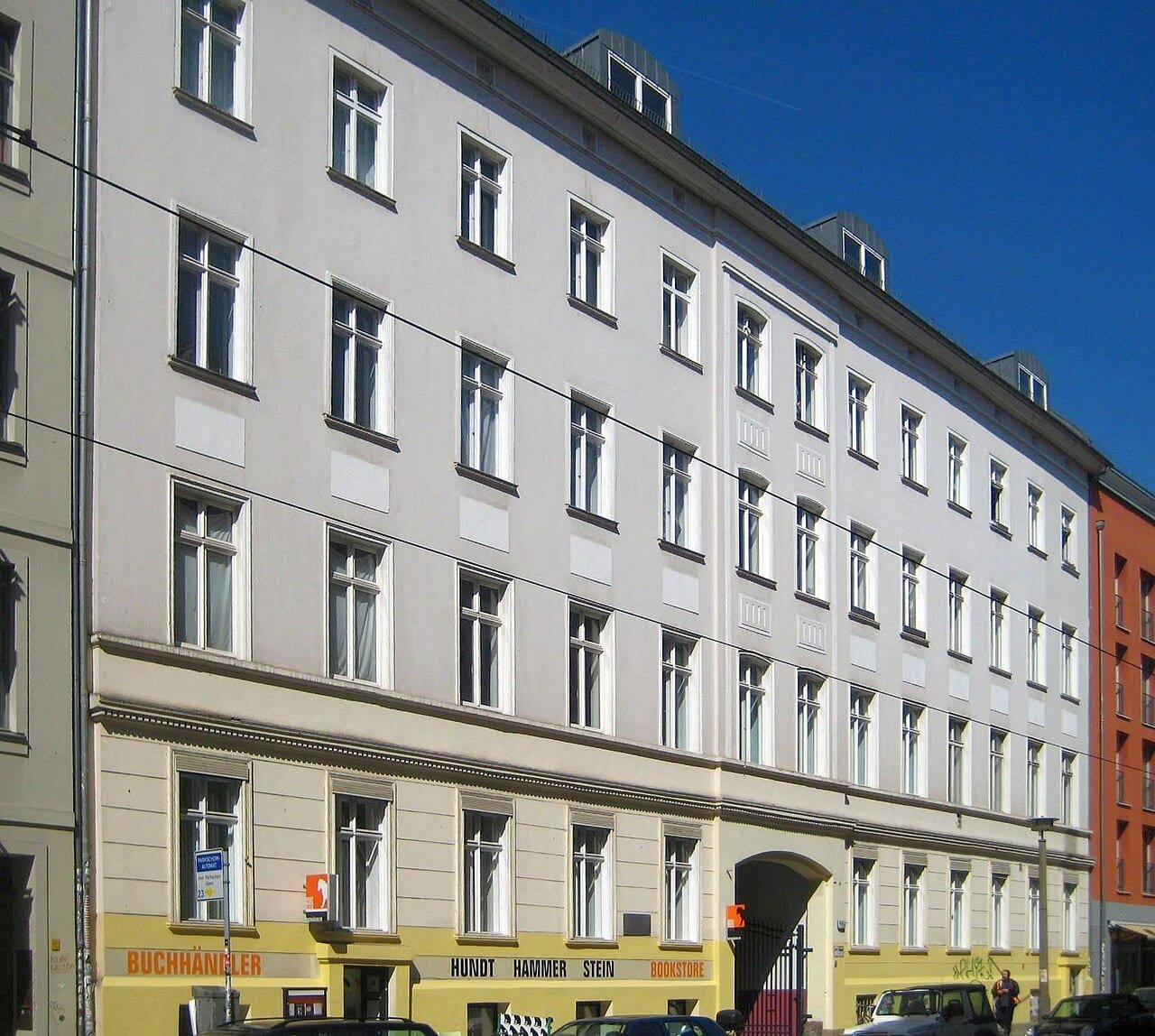
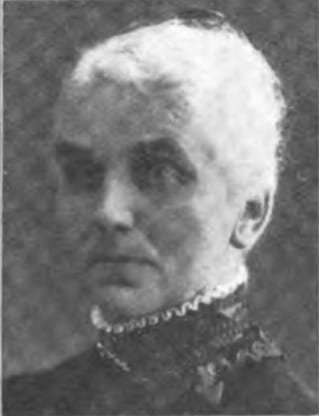
Franziska Tiburtius and Emilie Lehmus, “the first two women doctors in Berlin”, opened their polyclinic in a courtyard flat in the Alte Schönhauser Straße. A consultation cost 10 pfennig; medicine for the poor was free. They ran it for more than twenty years.
Source: Gedenktafel, Alte Schönhauser Str. 23/24 · NDB, Tiburtius
1885–1886
In March 1885 she founded an association to represent women workers’ interests. On 1 May 1886 the police closed it as a “political association”. In 1890 she launched the first paper for women in the labour movement, “Die Arbeiterin”.
Source: NDB, Ihrer
1900–1908
A seamstress since childhood, she held the post of “Zentralvertrauensperson der Genossinnen Deutschlands” — the women comrades’ chief representative — from 1900 to 1908. In law, the women she led could not join the party.
Source: NDB, Baader
1908
The association law and the Prussian matriculation decree came in 1908. That year Salomon turned her one-year course of 1899 into the first non-denominational social school for women, with a two-year curriculum, in Schöneberg.
Source: NDB, Salomon · berlin.de, ASH centenary · bpb, women’s movement · Universität Münster, women’s study 1908
1933–1939
In 1933 Salomon lost all her offices. The school was renamed “Schule für Volkspflege”; by 1934 more than half its teachers, all the Jewish women among them, had been dismissed. In 1937 the Gestapo forced Salomon to emigrate; in 1939 Berlin University revoked her doctorate as she was stripped of citizenship.
Source: NDB, Salomon · berlin.de, ASH centenary
2026
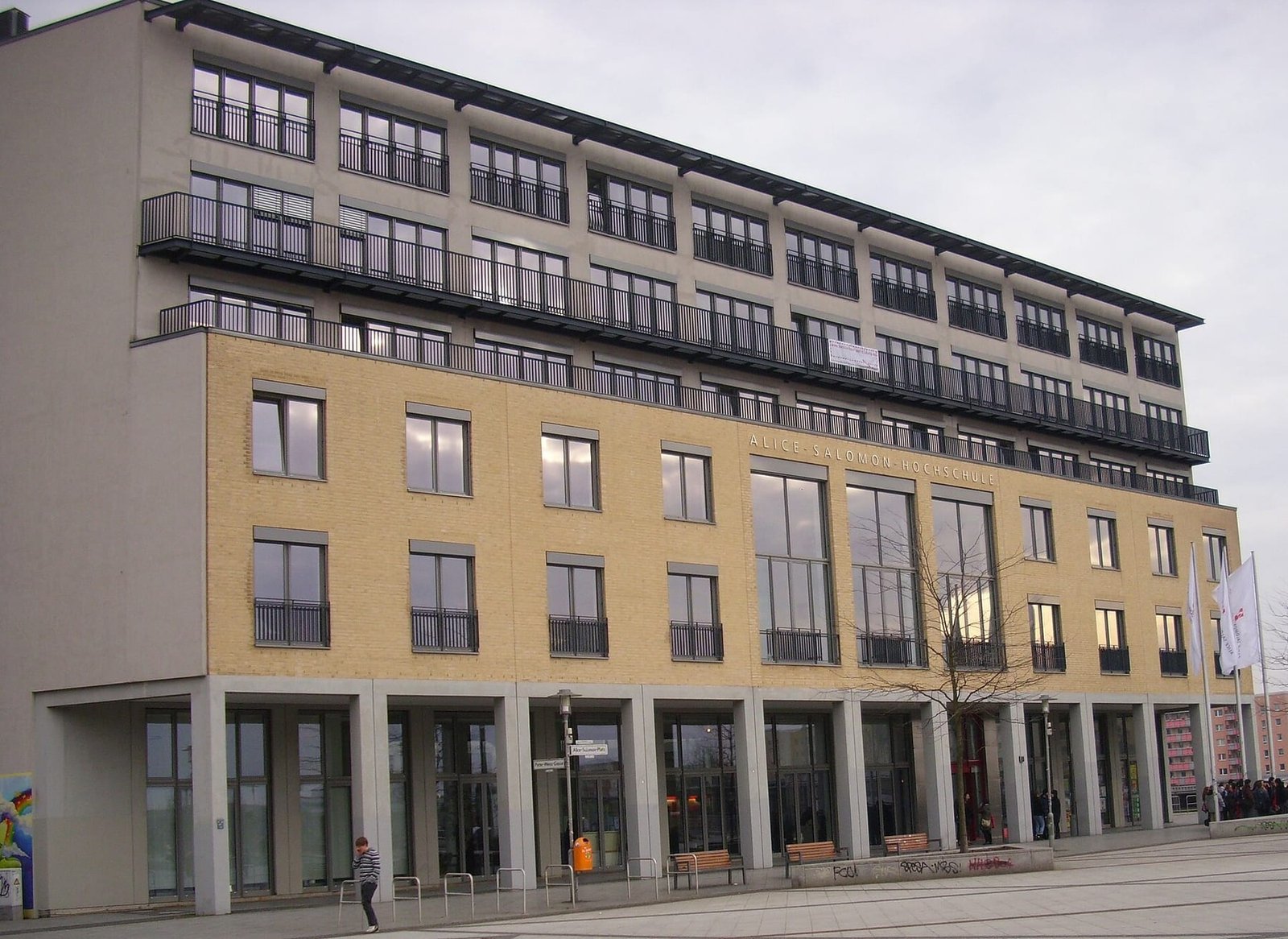
The Pestalozzi-Fröbel-Haus, after 152 years, and Alice Salomon’s school, now the Alice Salomon Hochschule, after 118. The clinic, the association and the party post are gone.
Source: NDB/ADB, Schrader-Breymann · Pestalozzi-Fröbel-Haus archive · NDB, Salomon · berlin.de, ASH centenary
03Fourteen months to a century and a half
Measured on one scale, the five show which kinds of work the Kaiserreich let women do. A house for small children and the training of their teachers, and, from 1908, a school for social work, are still open today. The organisation of women workers was closed as “political” almost at once.
How long each lasted, in years
Sources: NDB/ADB, Schrader-Breymann · Pestalozzi-Fröbel-Haus archive · NDB, Salomon · berlin.de, ASH centenary · Gedenktafel, Alte Schönhauser Str. 23/24 · NDB, Tiburtius · NDB, Ihrer · NDB, Baader. The clinic ran “more than 20 years” under its founders (plaque); its later end is not dated.
04Alte Schönhauser Straße, 18 June 1877
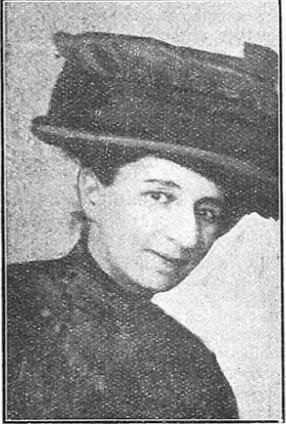
Franziska Tiburtius, born on Rügen in 1843, had worked as a governess and teacher. In 1871 she enrolled at the University of Zurich, and after nine semesters took her doctorate there in 1876. Her colleague Emilie Lehmus (1841–1932) had studied there too: German universities were closed to women.
On 18 June 1877 the two opened the “Poliklinik weiblicher Ärzte für Frauen und Kinder” — the polyclinic of women doctors for women and children — in a courtyard flat whose owner, the brewer Julius Bötzow, gave them the rooms for nothing. In 1897 a Berlin nursing society took the clinic over; Tiburtius gave up its medical direction in 1907. The plaque on the house says they ran it for more than twenty years, until the growth of statutory health insurance made it unnecessary.
„Konsultation 10 Pfennige, für Unbemittelte kostenlose Arznei“
“Consultation 10 pfennig, free medicine for those without means.” From the Berlin memorial plaque on the house where the clinic opened.

How long German women waited after a Zurich doctorate
Sources: NDB, Tiburtius · Gedenktafel · NDB, Salomon · Universität Münster.


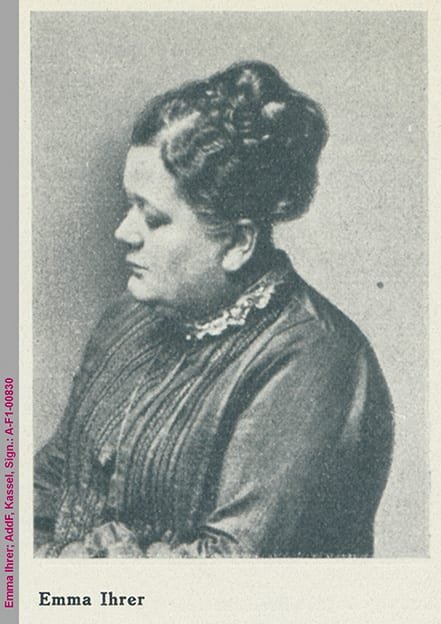
05Emma Ihrer, 1857–1911
Born in Glatz in Silesia in 1857, Emma Ihrer made a new attempt to organise women workers in Berlin in March 1885: the “Verein zur Vertretung der Interessen der Arbeiterinnen”, an association to represent their interests. On 1 May 1886 the authorities closed it under the association law as a “political association”.
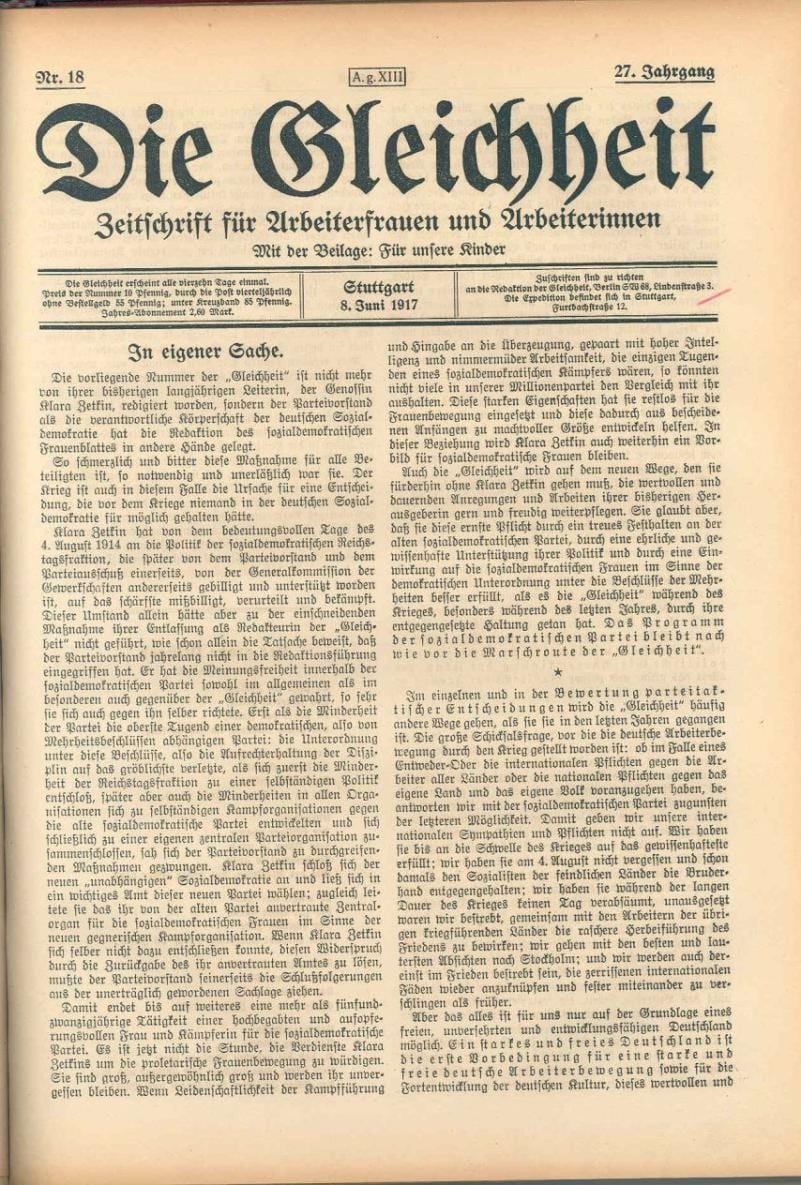
She did not stop. She sat on the trade unions’ central body, the Generalkommission, until 1892, and on 20 December 1890 published the first paper for organised working women, “Die Arbeiterin”. Renamed “Die Gleichheit”, it was edited by Clara Zetkin.


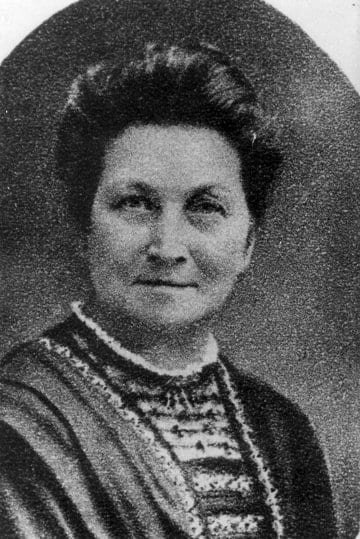
Born in Frankfurt an der Oder in 1847, she had four years of school. She sewed linen by hand, then by machine, in Berlin, in factories and as a homeworker.
From 1900 to 1908 she was the “Zentralvertrauensperson der Genossinnen Deutschlands”, the Social Democratic women’s chief representative — a post for a movement whose members the association laws kept out of the party itself until 1908.
Source: NDB, Baader

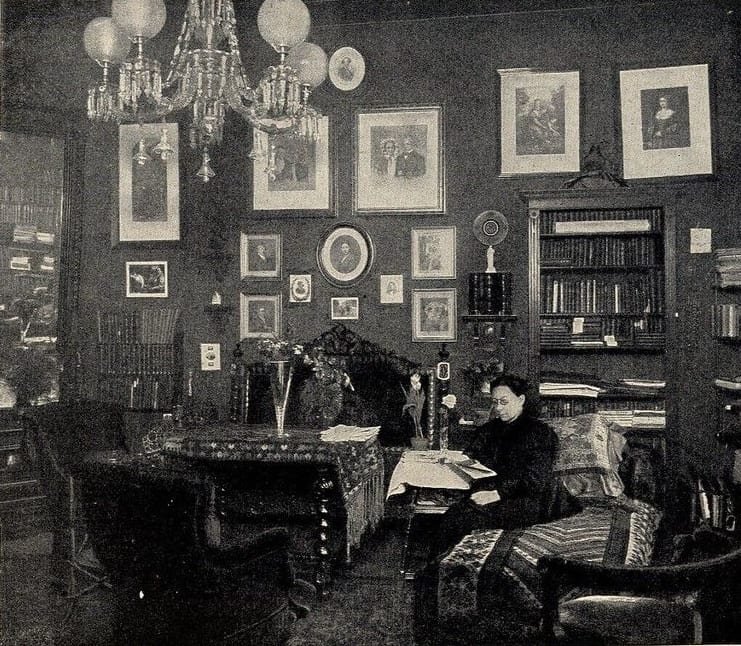
06Alice Salomon, 1872–1948
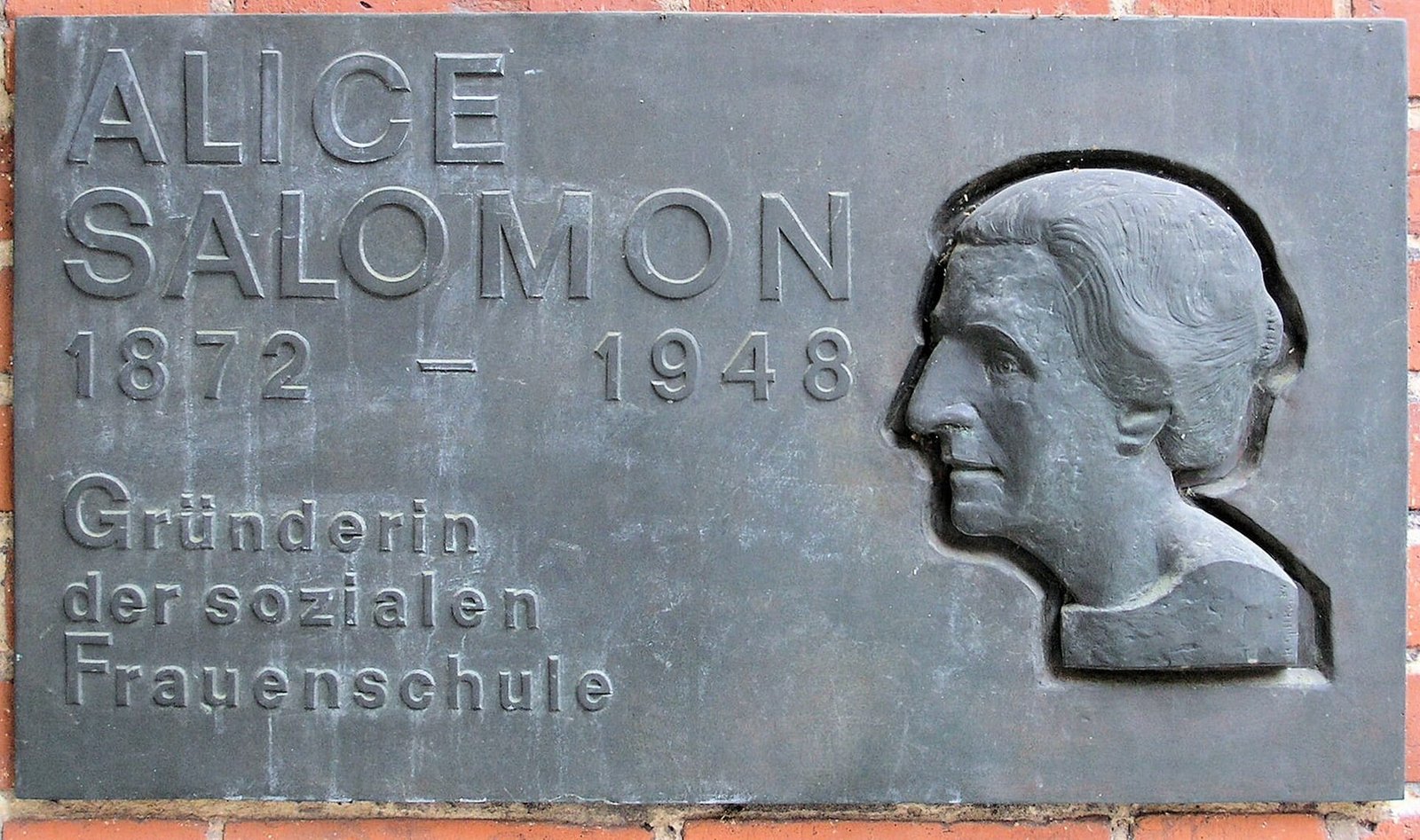
Born in Berlin in 1872, Alice Salomon joined the new Berlin “Mädchen- und Frauengruppen für soziale Hilfsarbeit” — girls’ and women’s groups for social work — in 1893, under Jeannette Schwerin. In 1899 she started a one-year training course. In 1906 Berlin University made her a Dr. phil.
In 1908 the course became the first non-denominational social school for women, with two years of study, in Schöneberg. She was its first director, until 1925; in 1925 the school joined the Pestalozzi-Fröbel-Haus as its “House III”.
In 1933 she lost every office. The school stayed open as the “Schule für Volkspflege”, and by 1934 more than half of its teachers had been dismissed, every Jewish woman among them; Salomon was not allowed to enter it. In 1937 the Gestapo forced her to emigrate. In 1939 she was stripped of German citizenship and Berlin University revoked her doctorate. She died in New York in 1948. The school took her name in 1954, and again in 1991.


07Henriette Schrader-Breymann, 1827–1899
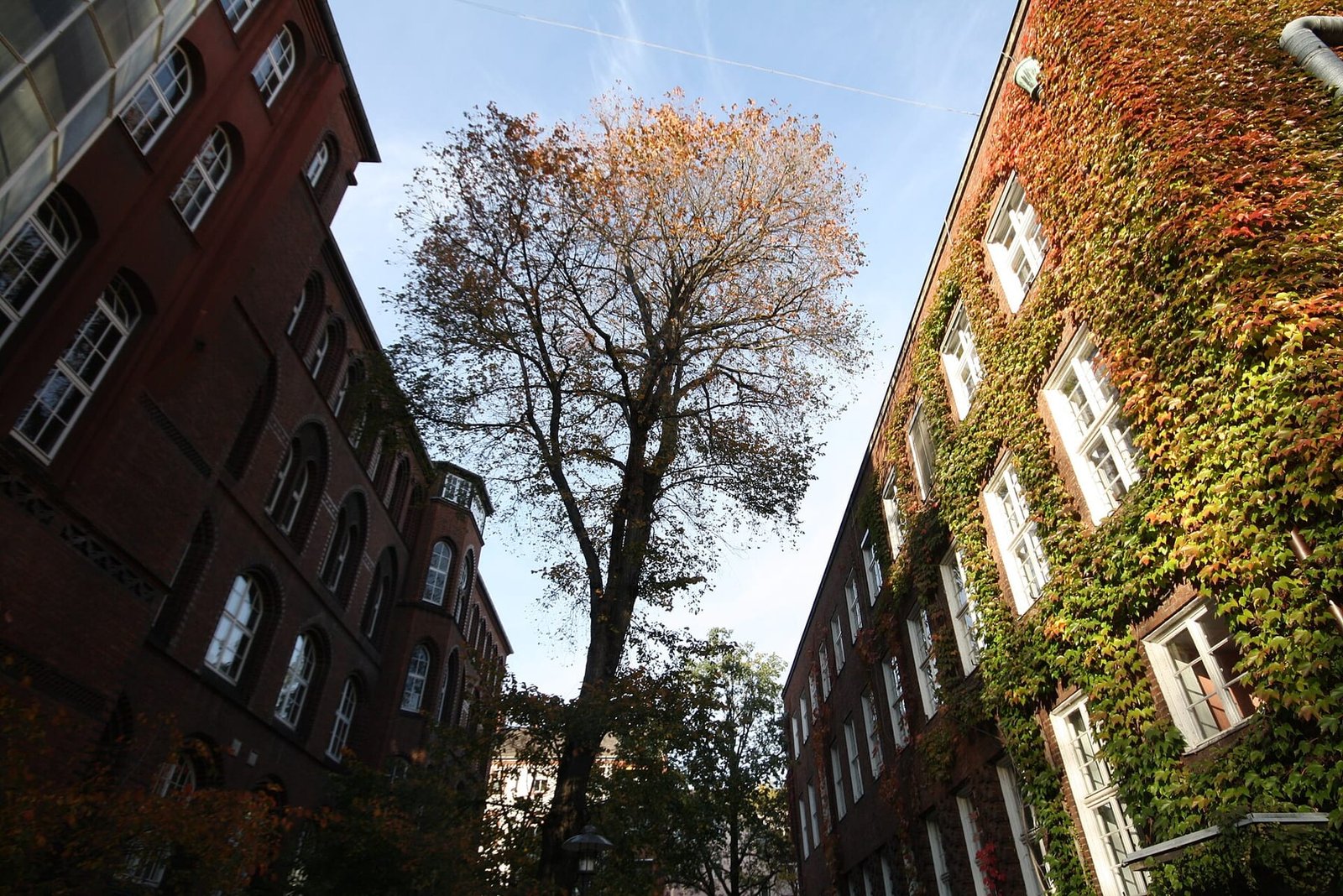
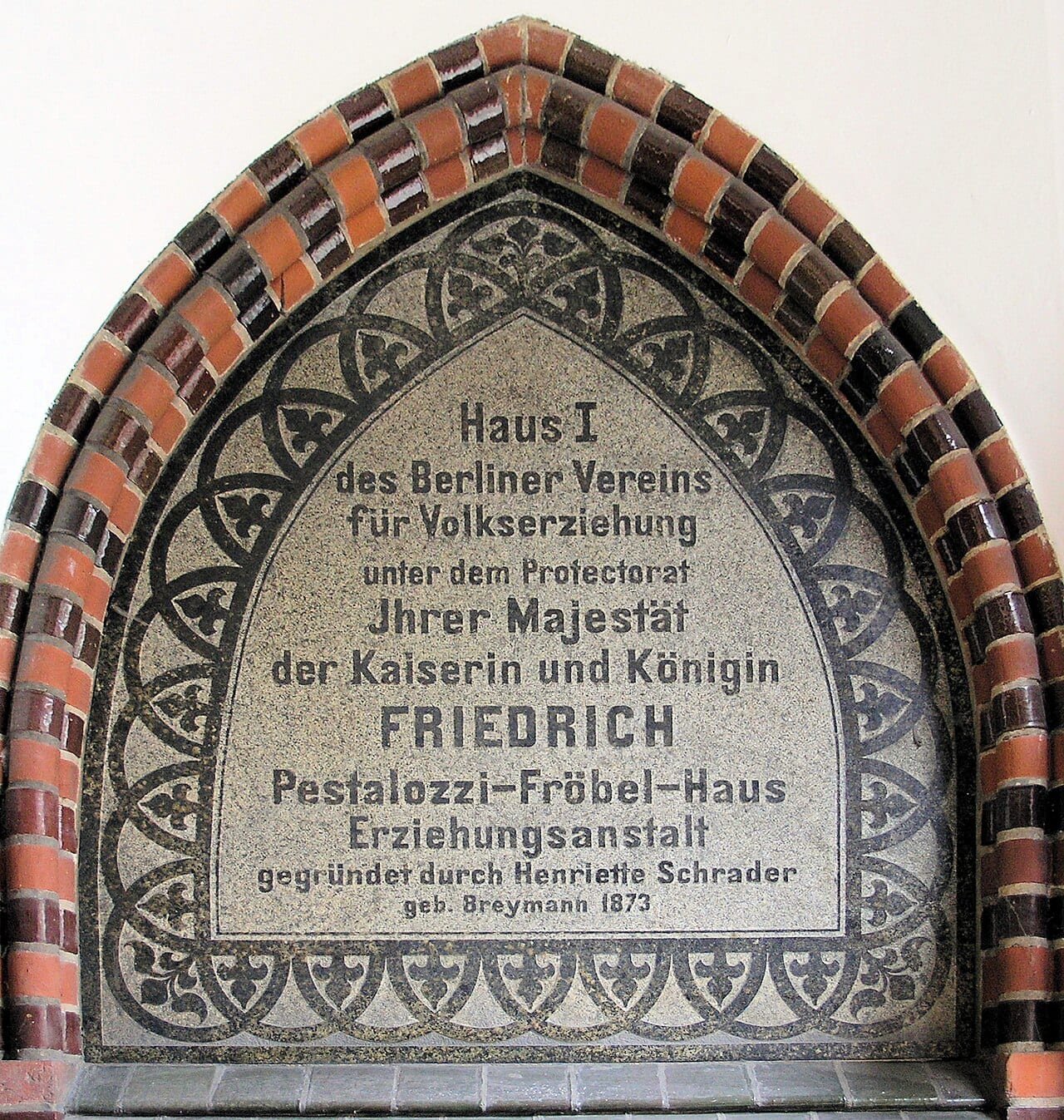
Henriette Breymann took Friedrich Fröbel’s half-year course for kindergarten teachers in Dresden in 1848. After marrying Karl Schrader in 1872 she moved to Berlin, founded the Berliner Verein für Volkserziehung — an association for popular education — and, in 1874, the Pestalozzi-Fröbel-Haus. From 1878 it trained kindergarten teachers (“House I”); from 1885 Hedwig Heyl’s school of cookery and home economics joined it as “House II”.
A large new house in the Barbarossastraße in Schöneberg was begun in 1896 and in use by 1898. Schrader-Breymann died the next year, in 1899. Her house is still open, 127 years after her death.


The police shut one door after fourteen months. Two of the others have stayed open for more than a century.

Press & citation
Free to publish under CC BY 4.0 — in print, online, on Wikipedia and in teaching, commercially or not — with credit to Berlinfographics and a link to this page.
Ready-to-use image
The infographic as one image: headline, key figures, chart, sources and credit, 2,400 × 1,350 px PNG. Please use it unedited.
Download landscape (PNG)
Square format
A 1:1 version for social media and narrow columns, 1,800 × 1,800 px.
Download square (PNG)
Portrait 4:5
For Instagram and LinkedIn feeds, 1,620 × 2,025 px.
Download portrait (PNG)Credit line
Berlinfographics (berlinfographics.com), CC BY 4.0
Citation
Berlinfographics (2026). “Five Berlin women, five institutions”. Berlin Experiences. https://berlinfographics.com/berlin-women-reformers-1890/
Wikipedia
{{cite web |title=Five Berlin women, five institutions |url=https://berlinfographics.com/berlin-women-reformers-1890/ |website=Berlinfographics |publisher=Berlin Experiences |date=2026-11-07 |access-date=2026-11-07}}
Our infographics, charts and texts are licensed CC BY 4.0: free to republish, including commercially, with credit to Berlinfographics and a link. Photographs keep their own licences, named in each caption. How to credit
Topics: The Second World War · Cold War Berlin · Nazi Berlin · Persecution & the Holocaust · Weimar Berlin · Prussia & the Kaiserreich · Architecture & the built city · Culture, science & society · Reunified Berlin · Unusual facts
Contact: info@berlinfographics.com · Press: press@berlinfographics.com · Imprint · Privacy