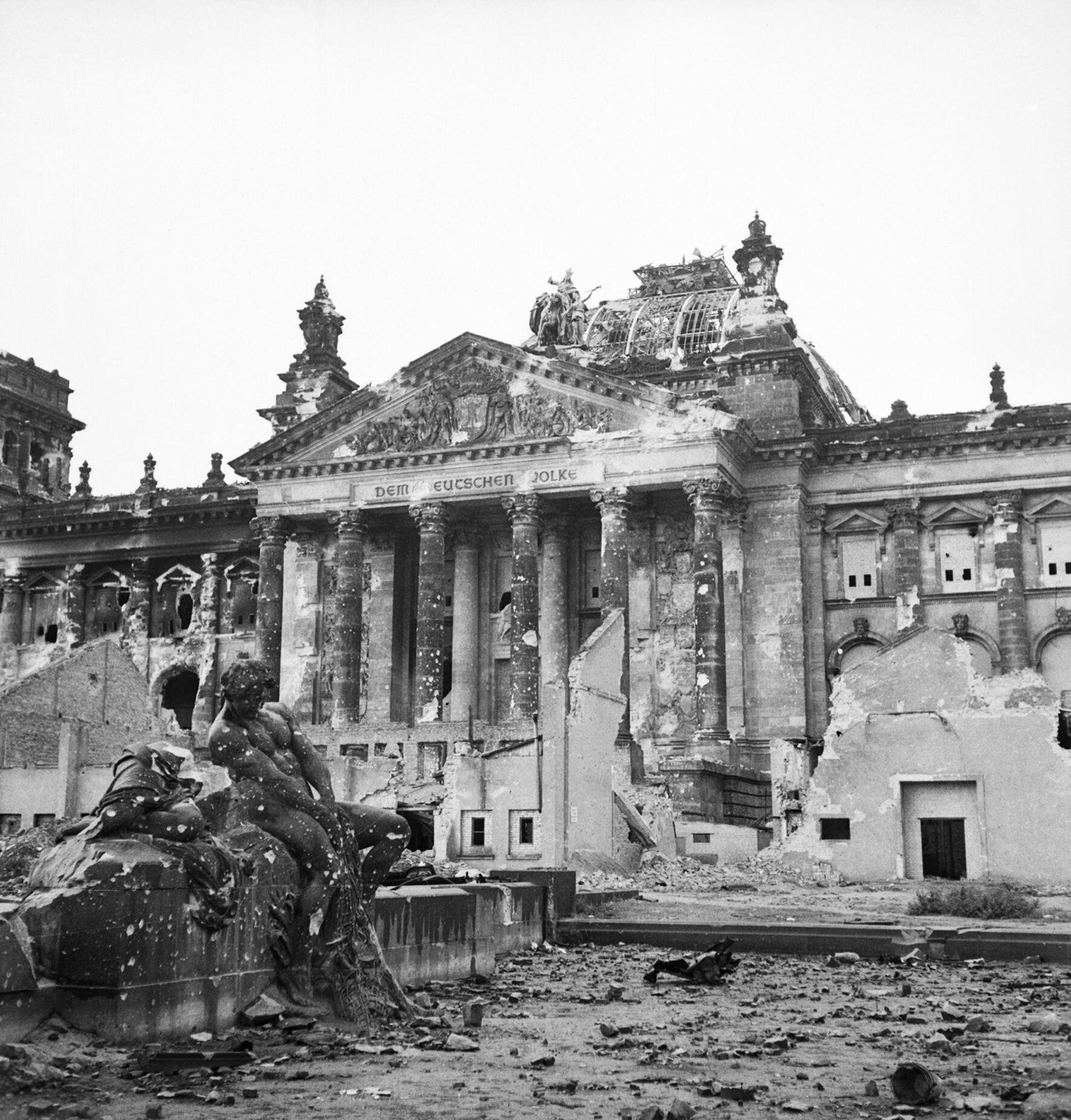
Warsaw 1939 · Stalingrad 1942–43 · Berlin 1945
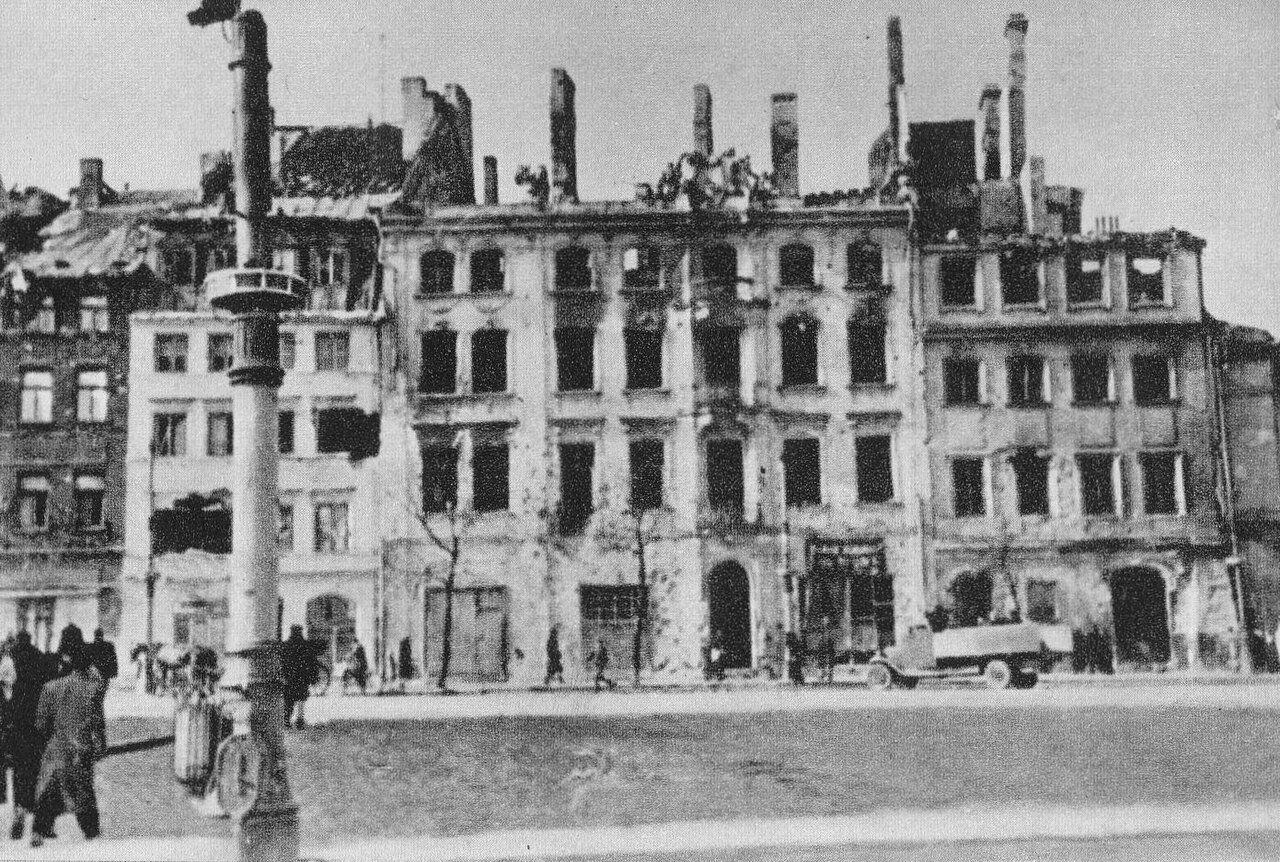
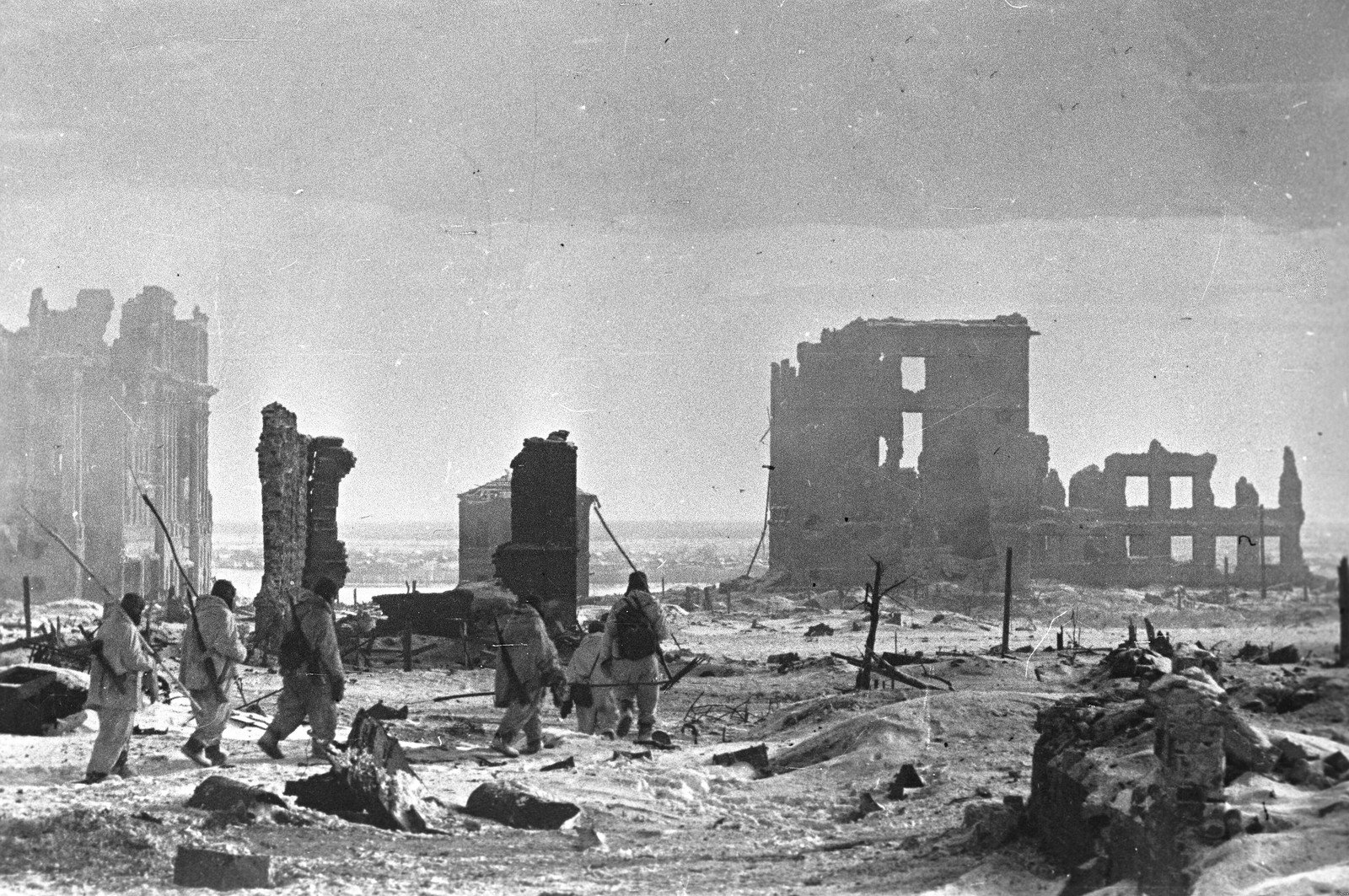
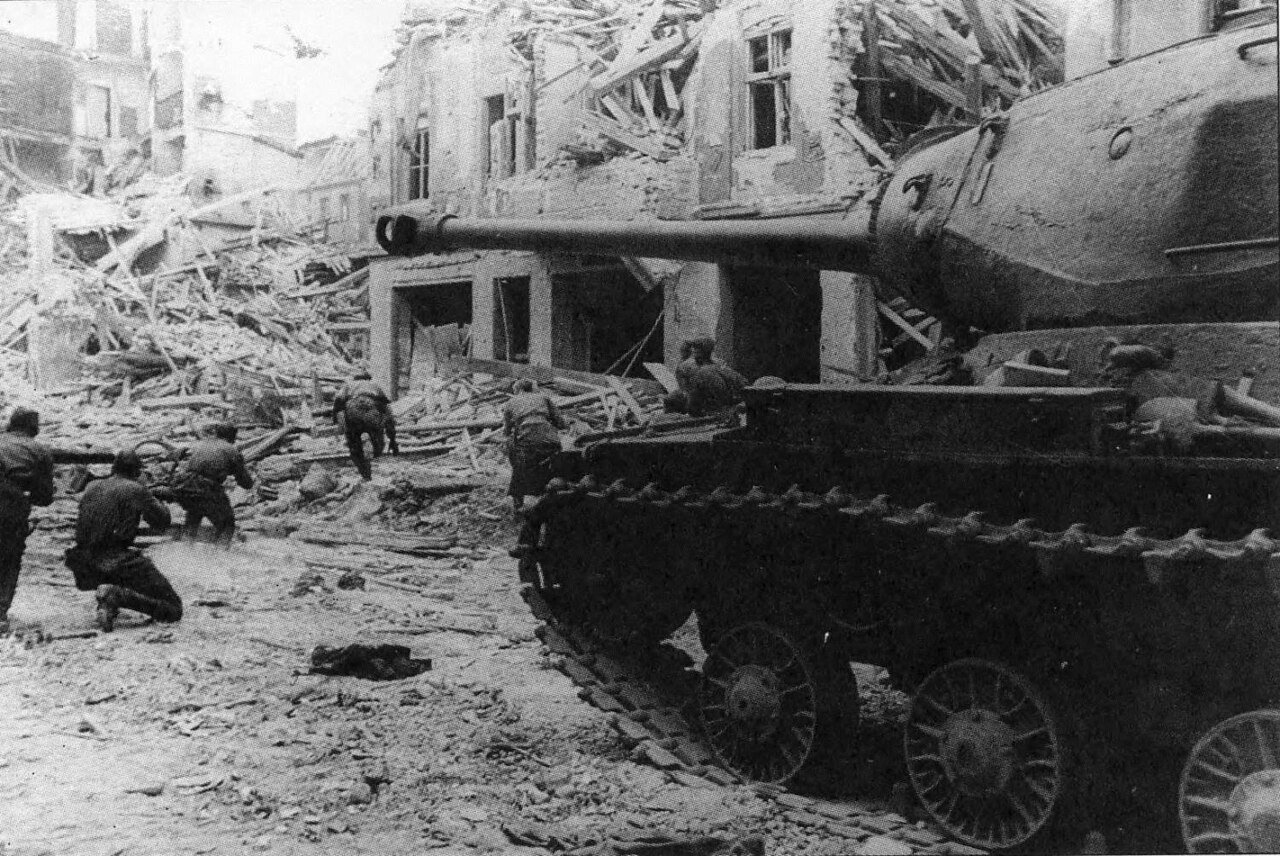
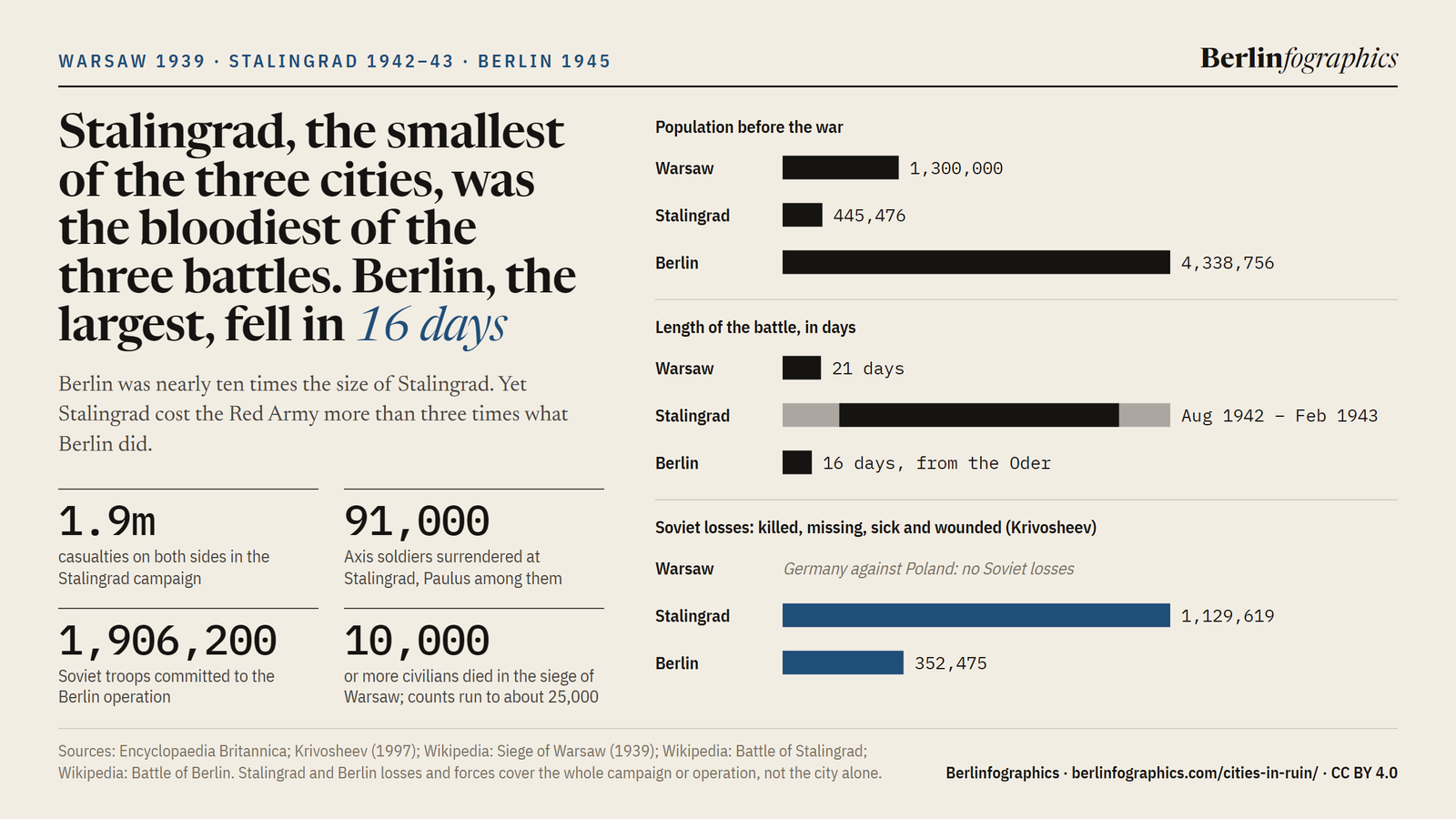
In September 1939 Germany besieged Warsaw, a city of 1,300,000, for 21 days. The campaign of 1942–43 for Stalingrad, a city of 445,476, cost about 800,000 Axis and 1,100,000 Soviet casualties. In April 1945 the Soviet Union committed 1,906,200 troops to taking Berlin, a city of 4,338,756. The city surrendered on 2 May 1945.
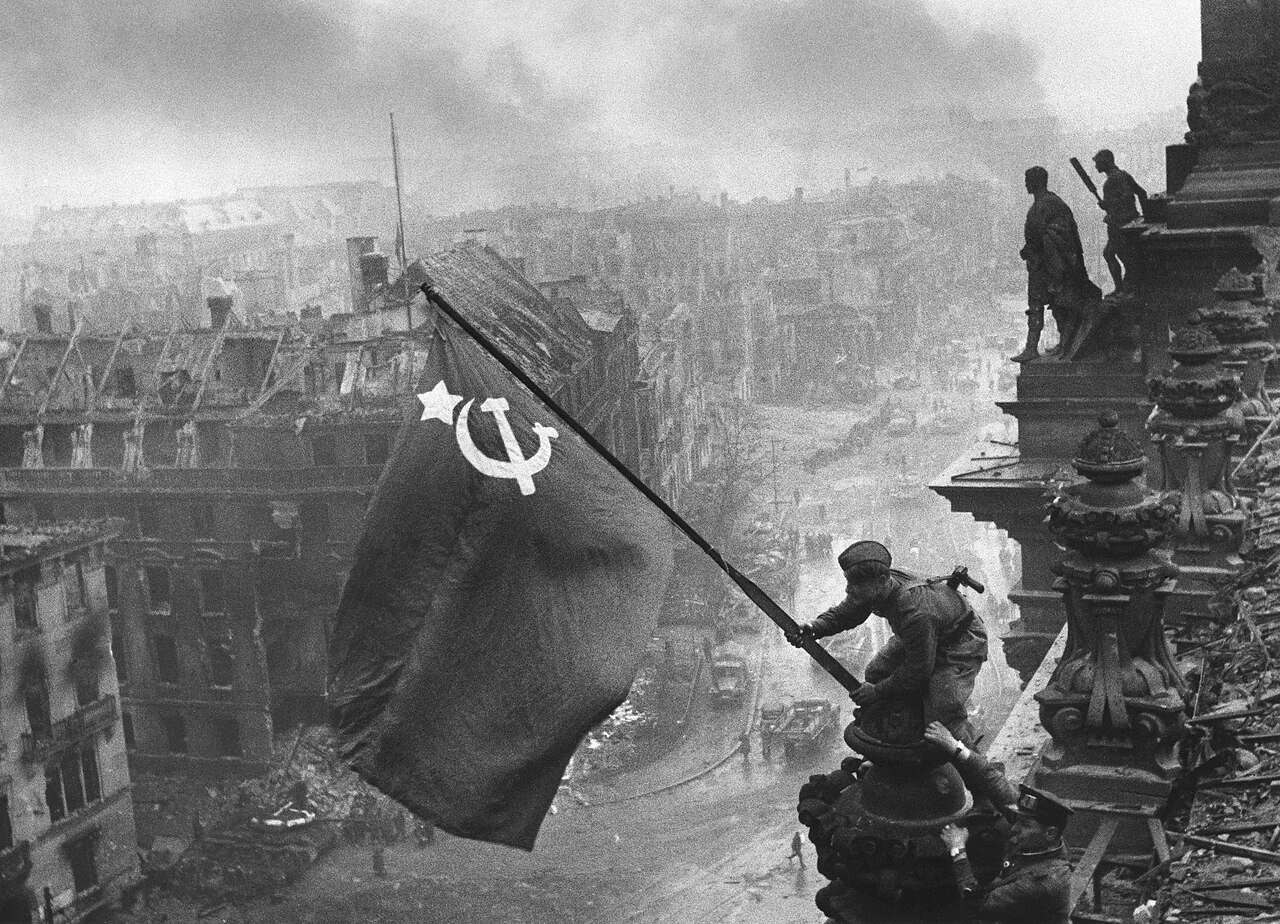
Three cities, three battles


Pre-war population
Inhabitants before the war
Before the war Berlin had 4,338,756 inhabitants and Warsaw 1,300,000. Stalingrad counted 445,476 at the 1939 census: Warsaw was nearly three times its size, Berlin more than three times the size of Warsaw.
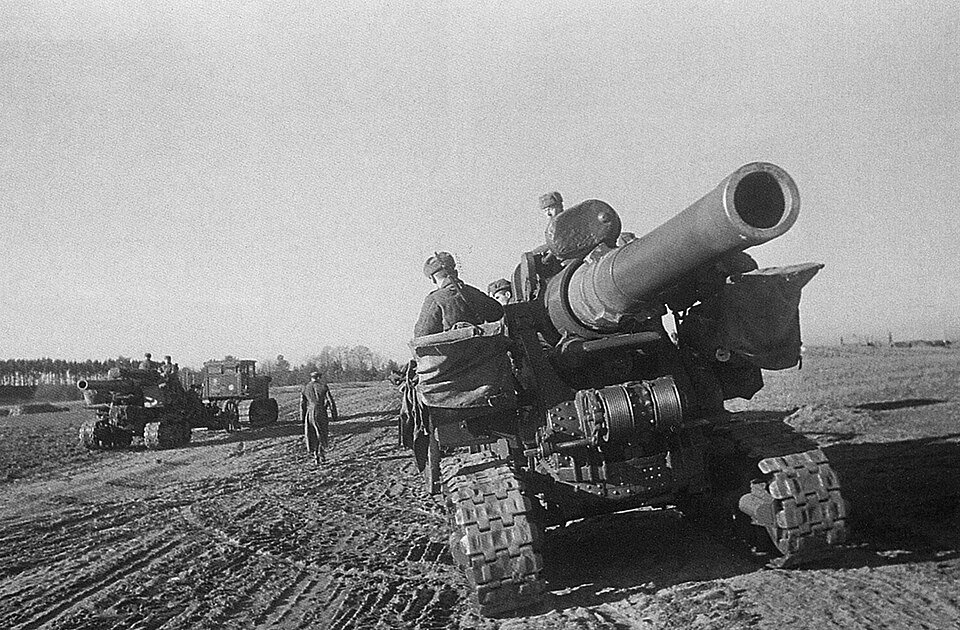
That is the whole offensive from the Oder. About 85,000 defended the city itself, 40,000 of them Volkssturm. At Warsaw, 175,000 German troops besieged a Polish garrison of 124,000–140,000. The Stalingrad figures are for the whole front in July 1942: 270,000 Axis, 187,000 Soviet. By the November counter-offensive the two sides had about 1.0 million and 1.1 million.
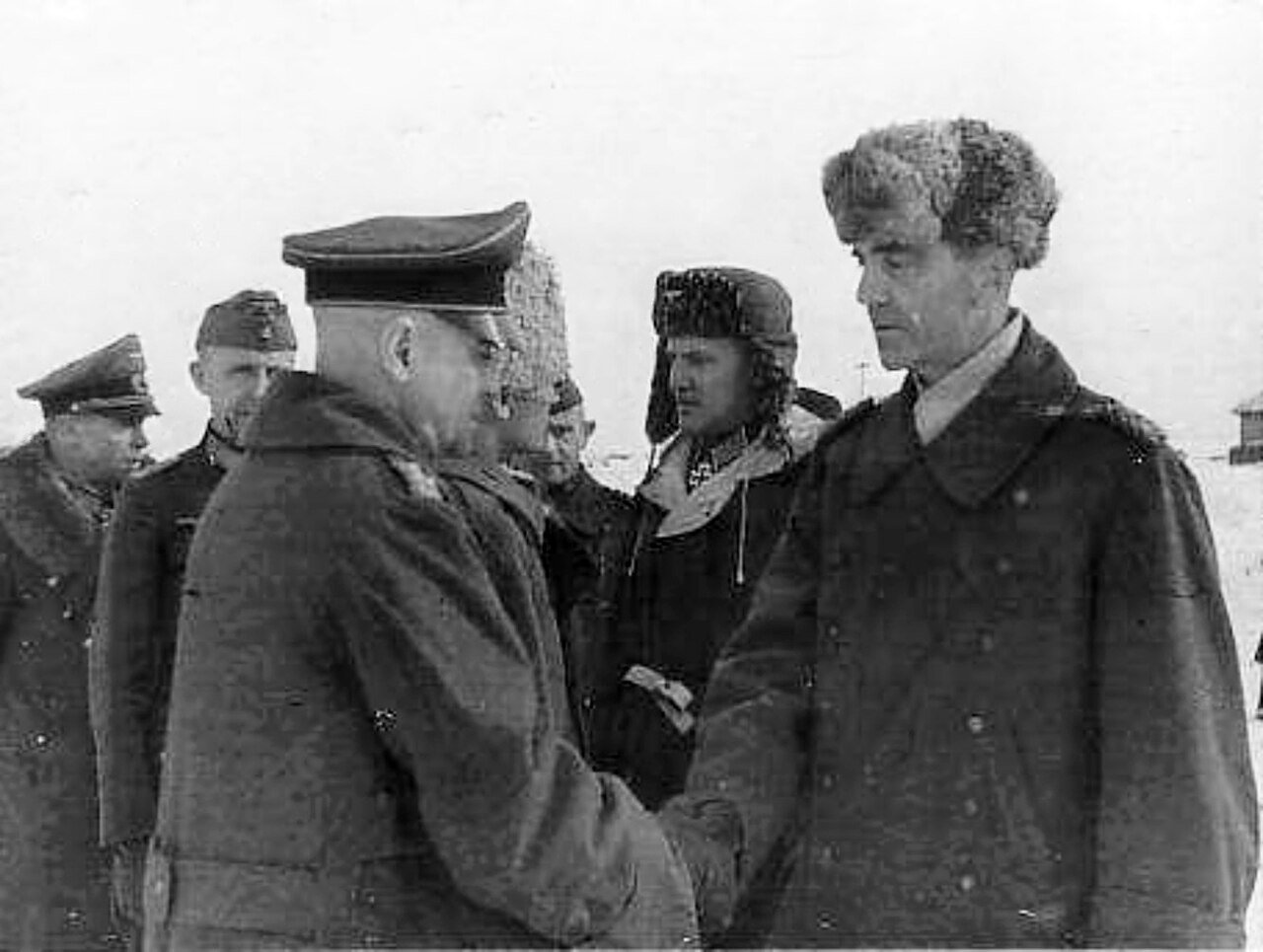
About 140,000 Polish soldiers went into captivity when Warsaw capitulated on 28 September 1939. At Stalingrad 91,000 Axis soldiers surrendered, Field Marshal Paulus among them. The Berlin operation took about 480,000 German soldiers prisoner.
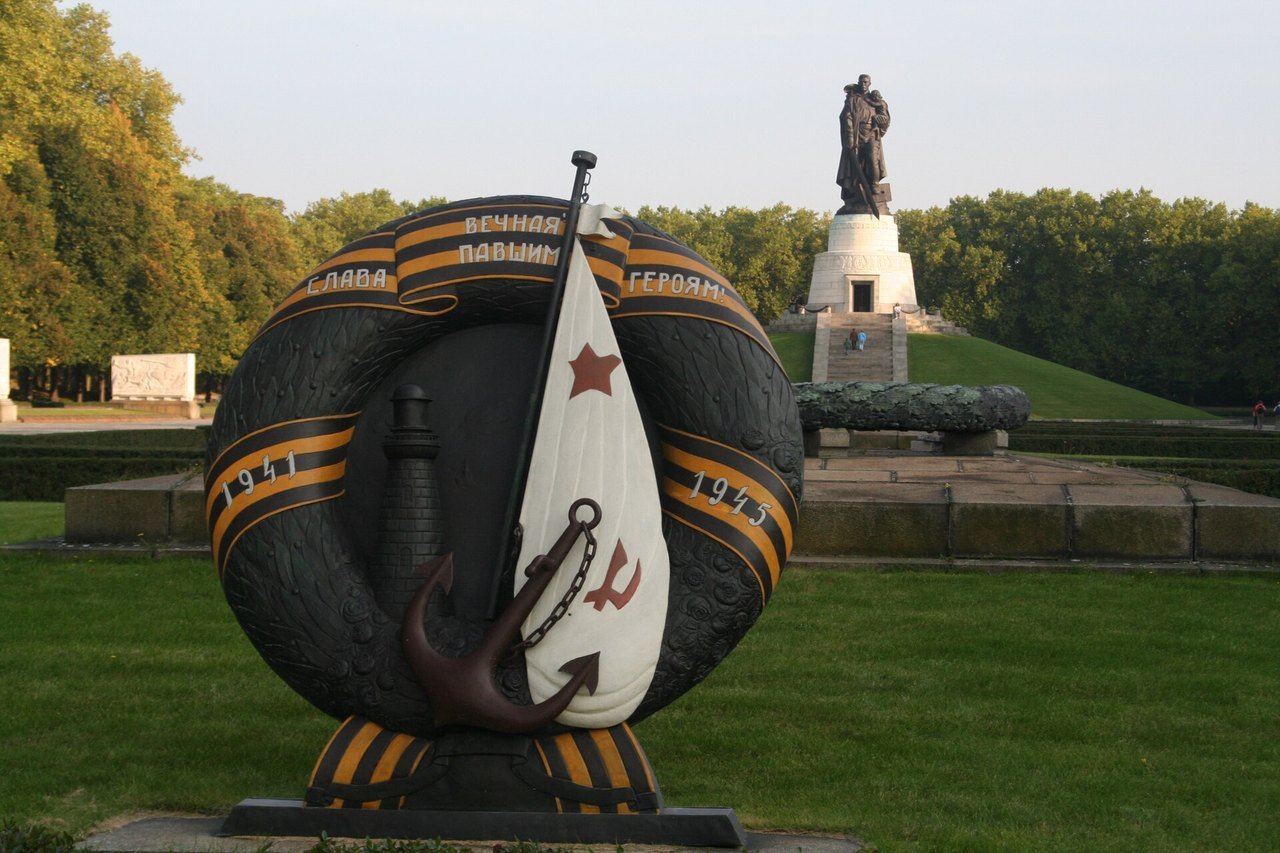
Krivosheev's figures from Russian General Staff records count the killed, missing, sick and wounded the same way for both battles: 1,129,619 for Stalingrad, 352,475 for Berlin. It is the one count of losses these sources share across battles.
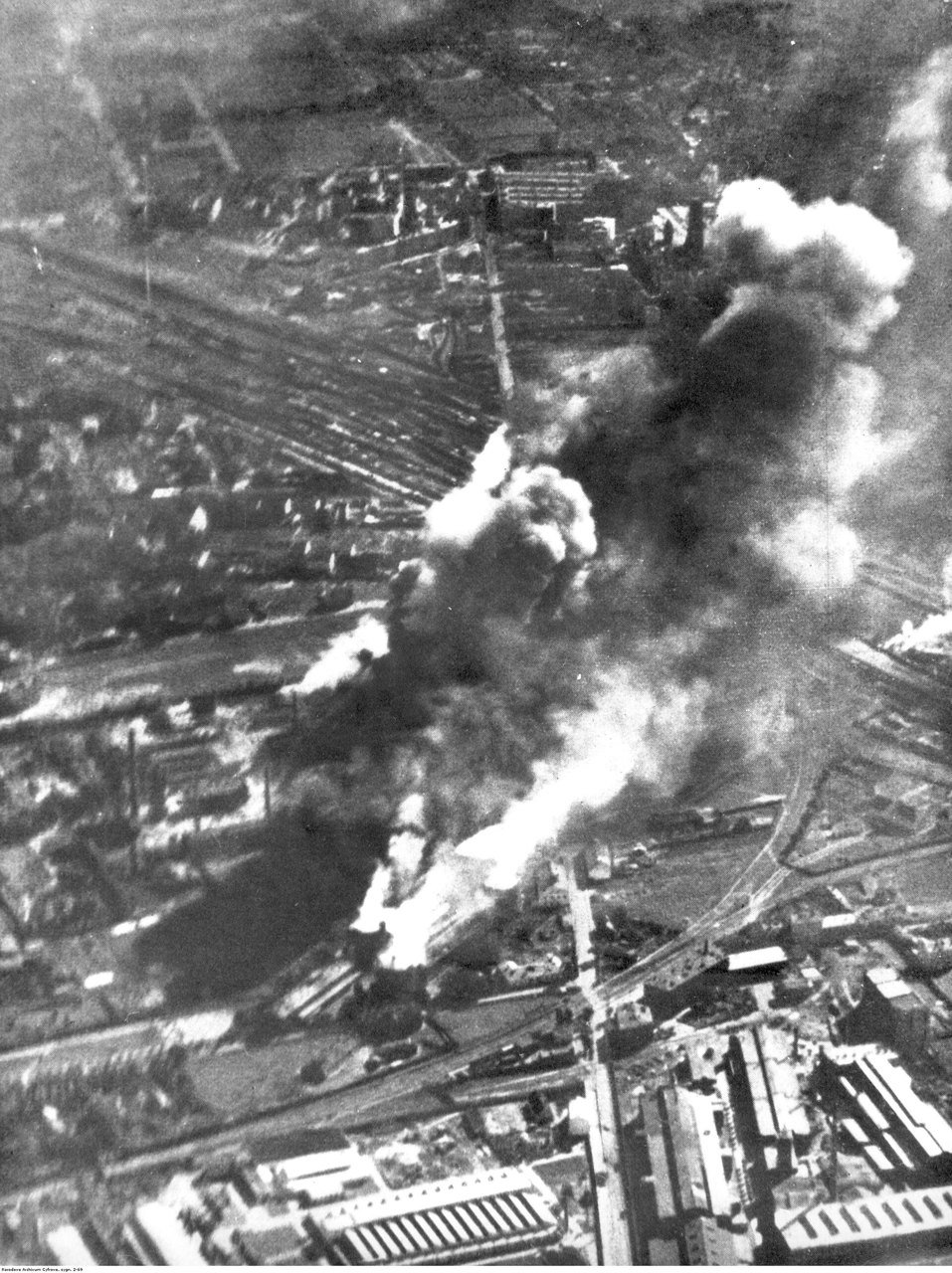
Warsaw · 8–28 September 1939
Britannica counts more than 10,000 civilian dead. The Wikipedia account of the siege gives 18,000, and Polish estimates run to about 25,000. No single count settles it.
When the city capitulated on 28 September 1939, about 140,000 Polish soldiers were taken prisoner; 5,000–6,000 had been killed. German dead numbered about 5,000; other counts are lower.
Civilians killed in the siege: the counts

Stalingrad · August 1942 – February 1943
Britannica puts Axis casualties, non-German forces included, at about 800,000, and Soviet casualties at about 1,100,000, for the whole campaign region. Krivosheev's Soviet figure is 1,129,619; some Russian sources put Soviet losses higher. The city itself had 445,476 inhabitants in 1939.
The civilian toll most often cited, about 40,000, is for the bombing of 23 August 1942 alone, and it is disputed. The full civilian toll is unknown.
Casualties across the whole campaign


Berlin · 16 April – 2 May 1945
Both numbers are Krivosheev's, for the same operation: 78,291 killed and missing and 274,184 sick and wounded make his total of 352,475. They are two definitions, not rival estimates. German losses across the operation are estimates: about 92,000–100,000 dead, 220,000 wounded and 480,000 taken prisoner.
The 16 days are counted from the Soviet offensive on the Oder; the fighting in the city itself lasted from about 23 April to 2 May. Berlin surrendered on 2 May 1945.
Losses across the whole operation

The war Germany carried to Warsaw in September 1939 reached Berlin in April 1945. On 2 May 1945, the city surrendered.
Press & citation
Free to publish under CC BY 4.0 — in print, online, on Wikipedia and in teaching, commercially or not — with credit to Berlinfographics and a link to this page.
Ready-to-use image
The infographic as one image: headline, key figures, chart, sources and credit, 2,400 × 1,350 px PNG. Please use it unedited.
Download landscape (PNG)
Square format
A 1:1 version for social media and narrow columns, 1,800 × 1,800 px.
Download square (PNG)Credit line
Berlinfographics (berlinfographics.com), CC BY 4.0
Citation
Berlinfographics (2026). “Cities in Ruin: Warsaw, Stalingrad, Berlin”. Berlin Experiences. https://berlinfographics.com/cities-in-ruin/
Wikipedia
{{cite web |title=Cities in Ruin: Warsaw, Stalingrad, Berlin |url=https://berlinfographics.com/cities-in-ruin/ |website=Berlinfographics |publisher=Berlin Experiences |date=2026-11-05 |access-date=2026-11-05}}
Our infographics, charts and texts are licensed CC BY 4.0: free to republish, including commercially, with credit to Berlinfographics and a link. Photographs keep their own licences, named in each caption. How to credit
Topics: The Second World War · Cold War Berlin · Nazi Berlin · Persecution & the Holocaust · Weimar Berlin · Prussia & the Kaiserreich · Architecture & the built city · Culture, science & society · Reunified Berlin · Unusual facts
Contact: info@berlinfographics.com · Press: press@berlinfographics.com · Imprint · Privacy