Europe · September 1939 – December 1941
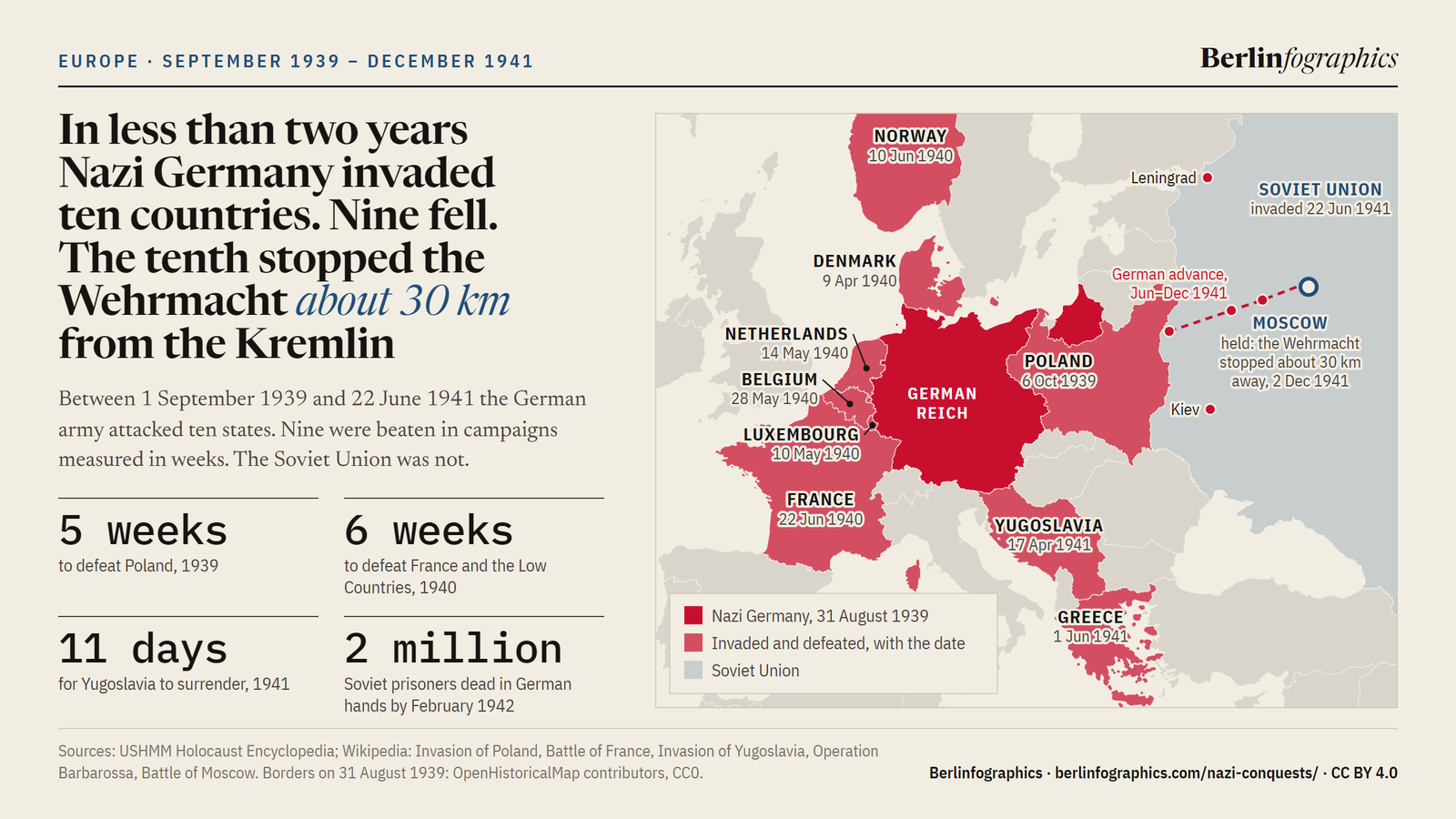
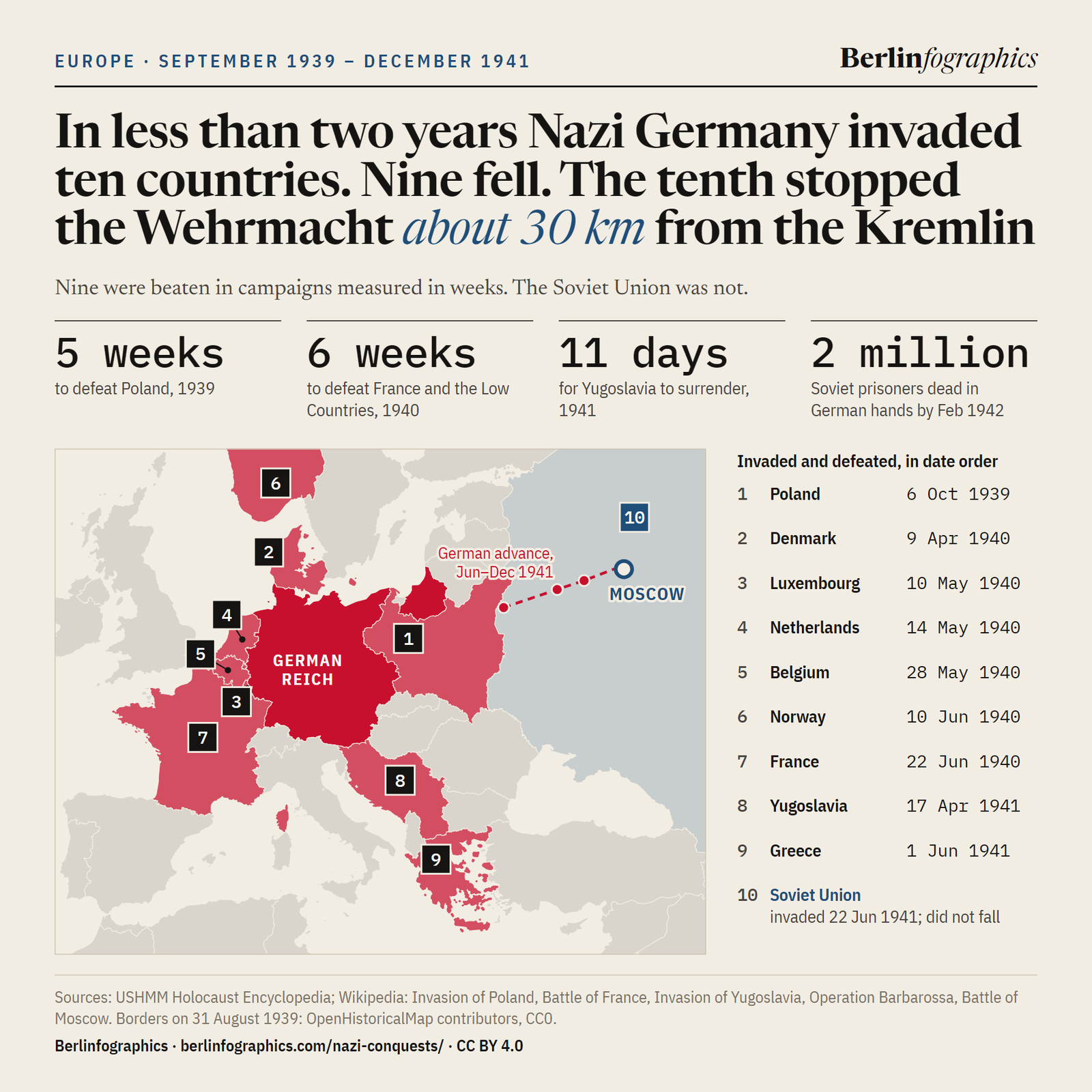
In less than two years Nazi Germany invaded ten countries. Nine fell. The tenth stopped the Wehrmacht about 30 kilometres from the Kremlin.
Between 1 September 1939 and 22 June 1941 the German army attacked ten states. Nine were beaten in campaigns measured in weeks. The Soviet Union was not — and in the prisoner camps behind the front, two million captured Soviet soldiers were dead by February 1942.
1 September 1939 – 6 October 1939
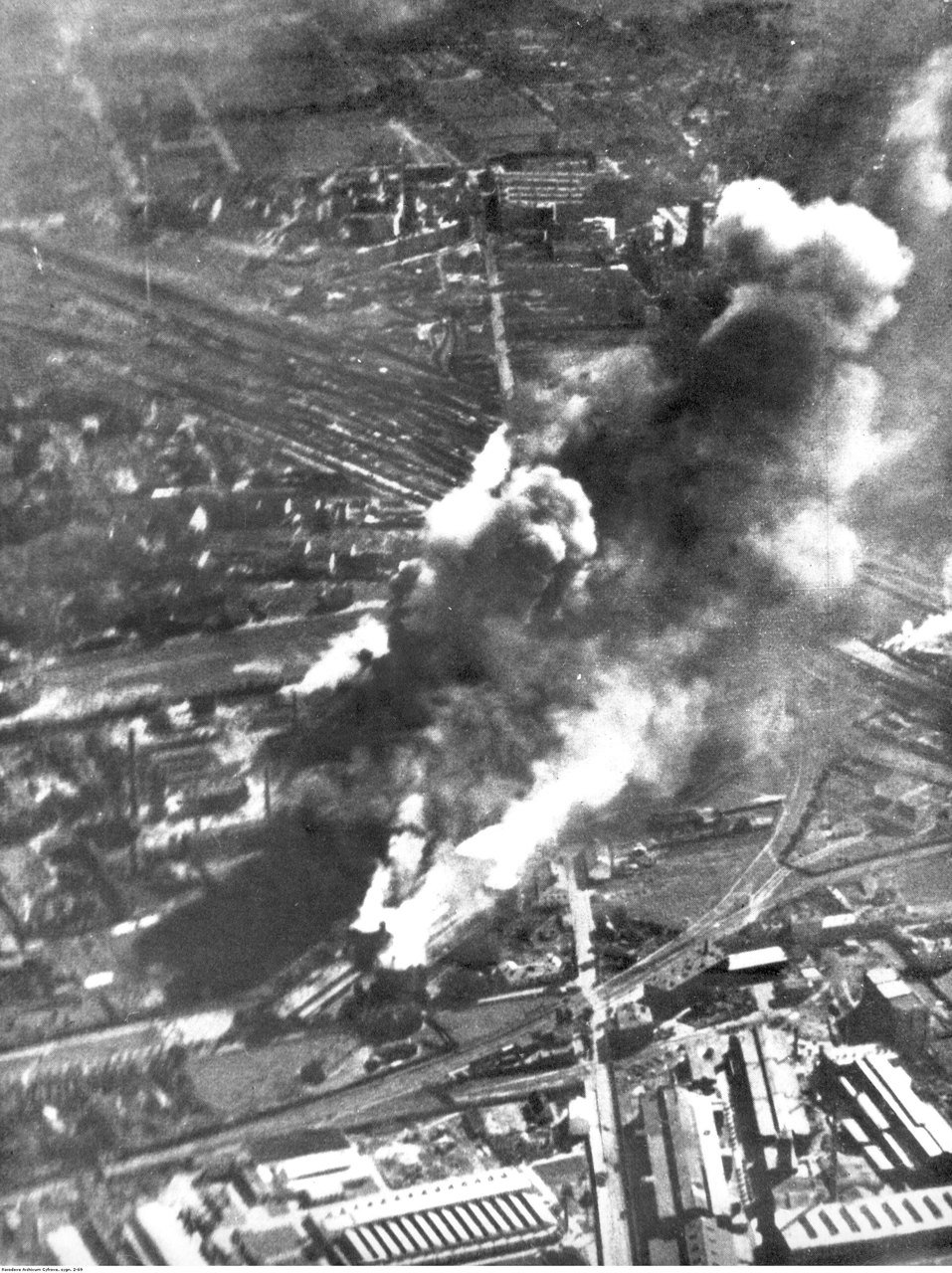
Hitler called it “returning fire”. Poland fell in five weeks.
In Berlin, Hitler told the Reichstag: “Since 5:45 we have been returning fire.” The German attack had begun an hour earlier. The Soviet Union invaded from the east on 17 September; Warsaw surrendered on the 28th. Source
Poland — last units surrender 6 Oct 1939
9 Apr – 10 Jun 1940
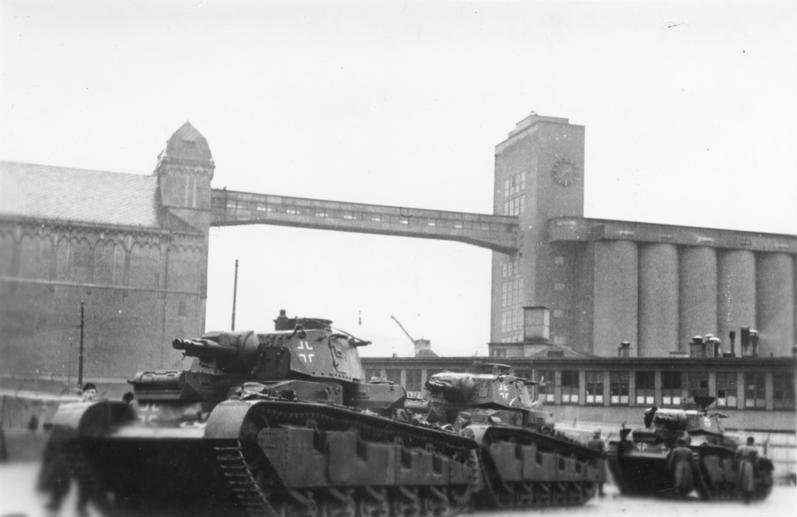
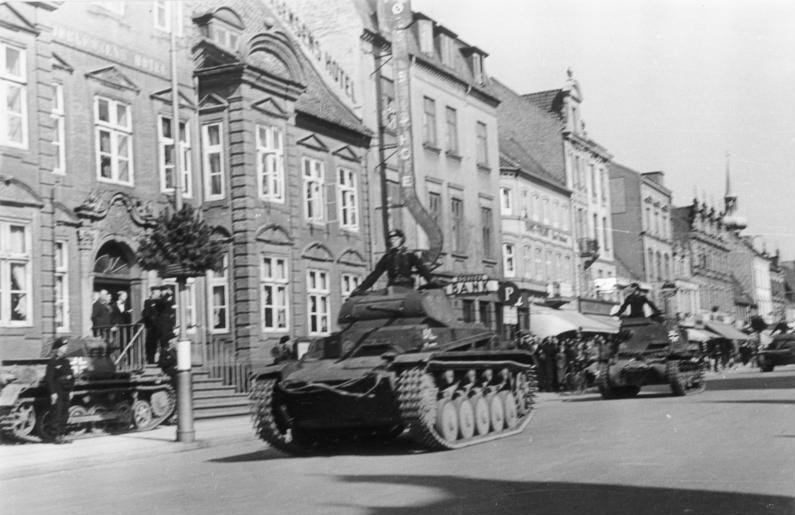
Denmark fell in a morning. Norway’s army held out for two months.
Denmark capitulated at about six in the morning of the day it was invaded. Norway’s army held out for two months. Source
Denmark — capitulates within hours, 9 Apr 1940Norway — army capitulates 10 Jun 1940
10 May – 22 Jun 1940
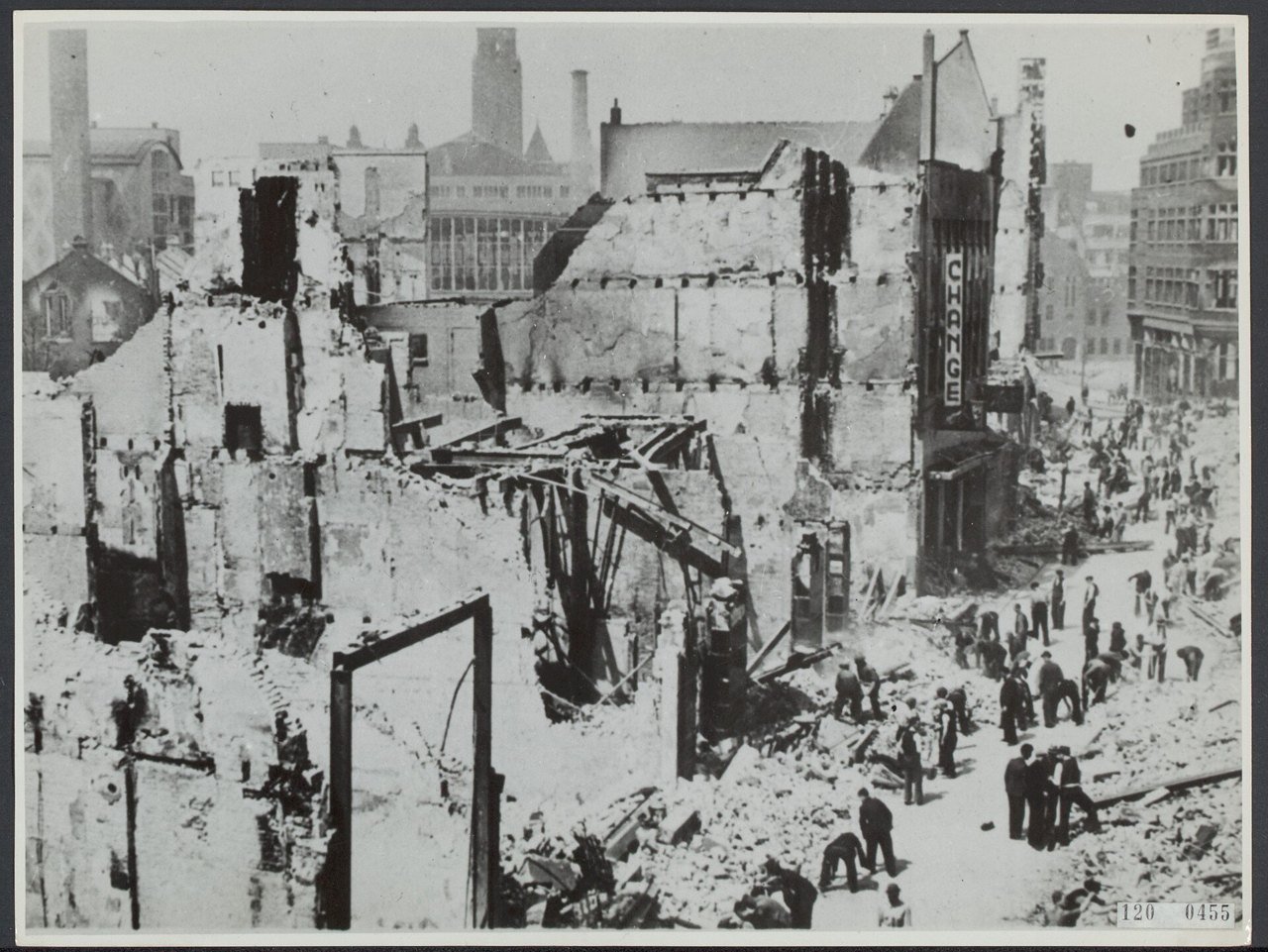
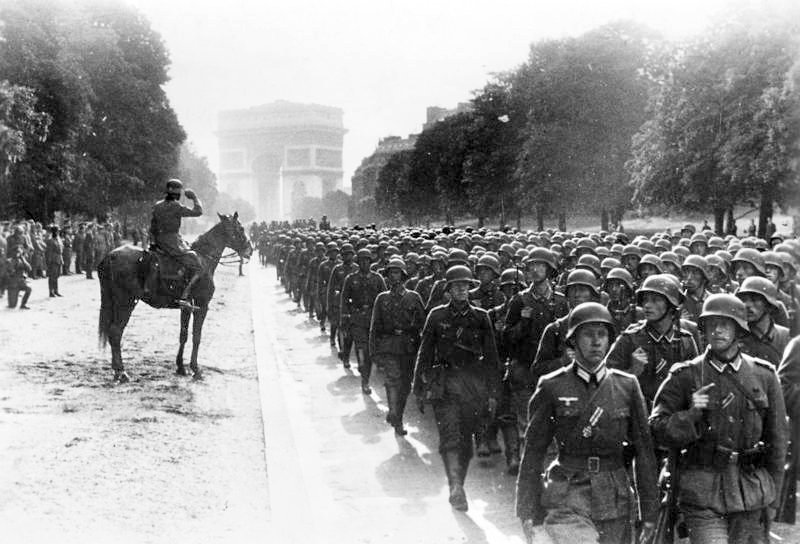
Four countries in six weeks: the Netherlands, Belgium, Luxembourg and France.
Panzers crossed the Meuse at Sedan on 13 May and reached the Channel a week later. 338,226 Allied soldiers got away from Dunkirk; France signed an armistice on 22 June. Source
Luxembourg — invaded 10 May 1940Netherlands — army surrenders 14 May 1940Belgium — surrenders 28 May 1940France — armistice 22 Jun 1940
6 Apr – 1 Jun 1941
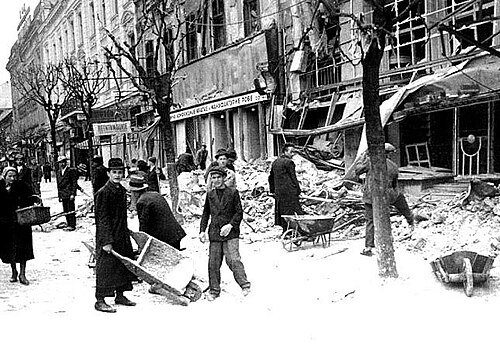
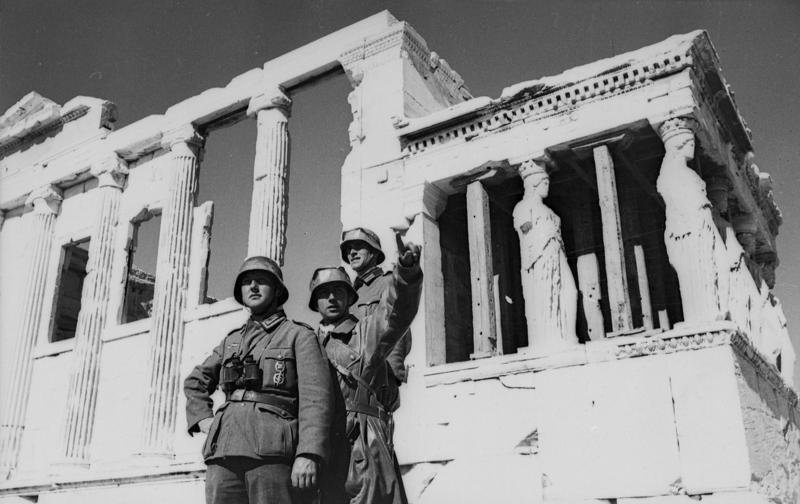
Yugoslavia surrendered after eleven days. Greece, Crete included, was taken by 1 June.
Yugoslavia surrendered after eleven days. Crete, invaded from the air on 20 May, cost Germany about 4,000 dead or missing. Source
Yugoslavia — surrenders 17 Apr 1941Greece — mainland by 30 Apr, Crete by 1 Jun 1941
From 22 June 1941
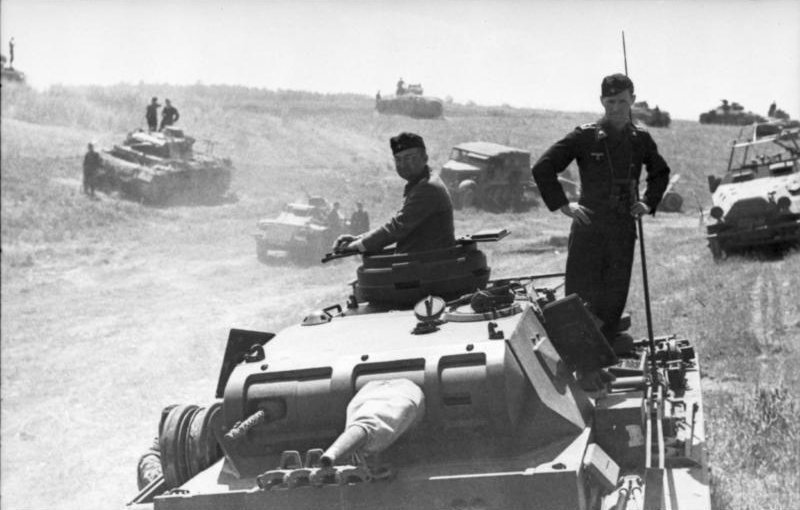
On 22 June 1941 more than 3.8 million Axis troops invaded the Soviet Union.
They attacked on a front 2,900 km long. By October they had encircled Minsk and Vyazma, besieged Leningrad and taken Kiev.
Minsk — encircled Jun–Jul 1941Smolensk — Jul 1941Leningrad — besieged from 8 Sep 1941Kiev — taken 19 Sep 1941Vyazma — Oct 1941
2 December 1941
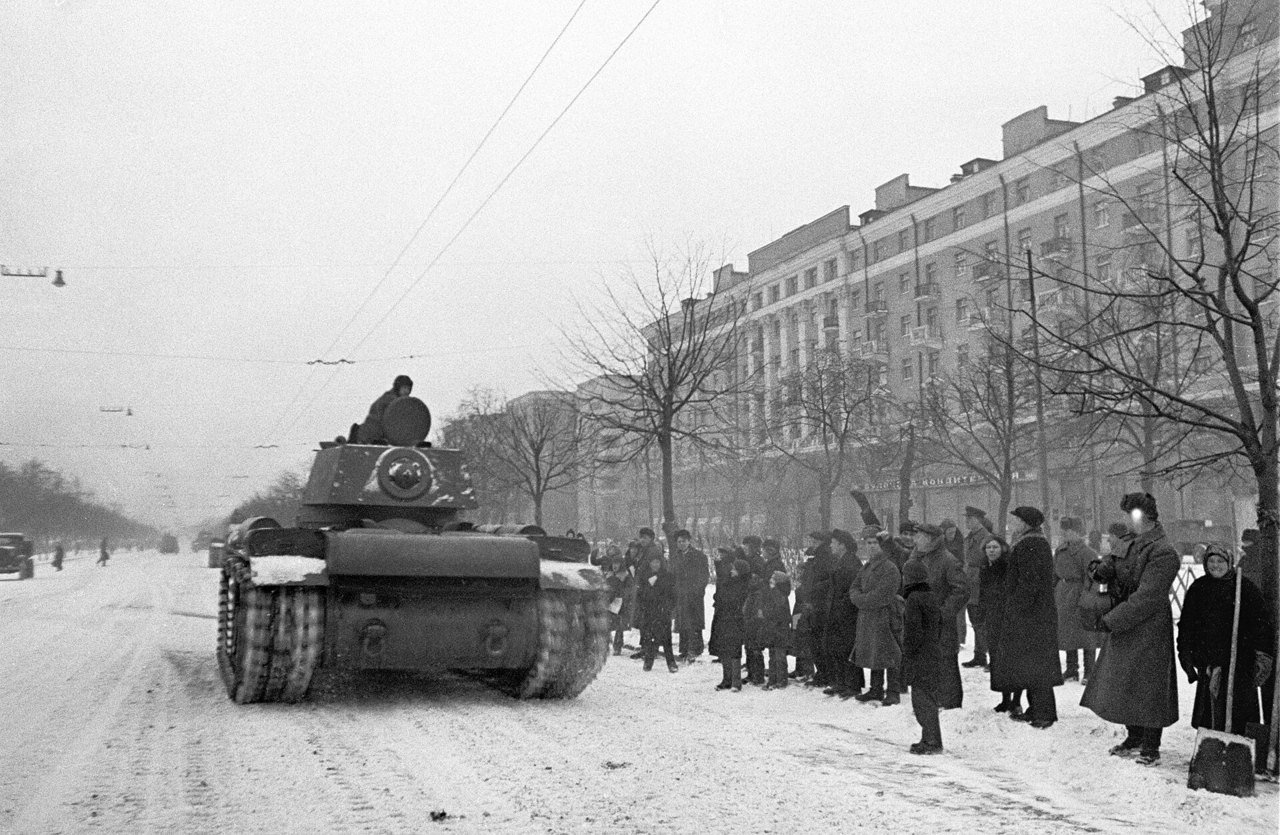
The Wehrmacht came within about 30 kilometres of the Kremlin. It got no closer.
Germans reach Khimki, about 30 km from the Kremlin, 2 Dec 1941. The Red Army strikes back 5–6 Dec. By the end of 1941 the invasion had cost the German army over 830,000 men killed, wounded or missing, and the Red Army had driven it back from Moscow. Source
Moscow — held; the Red Army strikes back 5–6 Dec 1941