Berlinfographicsby Berlin Experiences

The Teufelsberg in Grunewald, with the domes of the former American listening station, 2009. At dawn on 8 March 1989 a walker saw the balloon high above this hill.Photo: Jochen Teufel, 2009. Wikimedia Commons. CC BY-SA 3.0.

The last death at the Berlin Wall

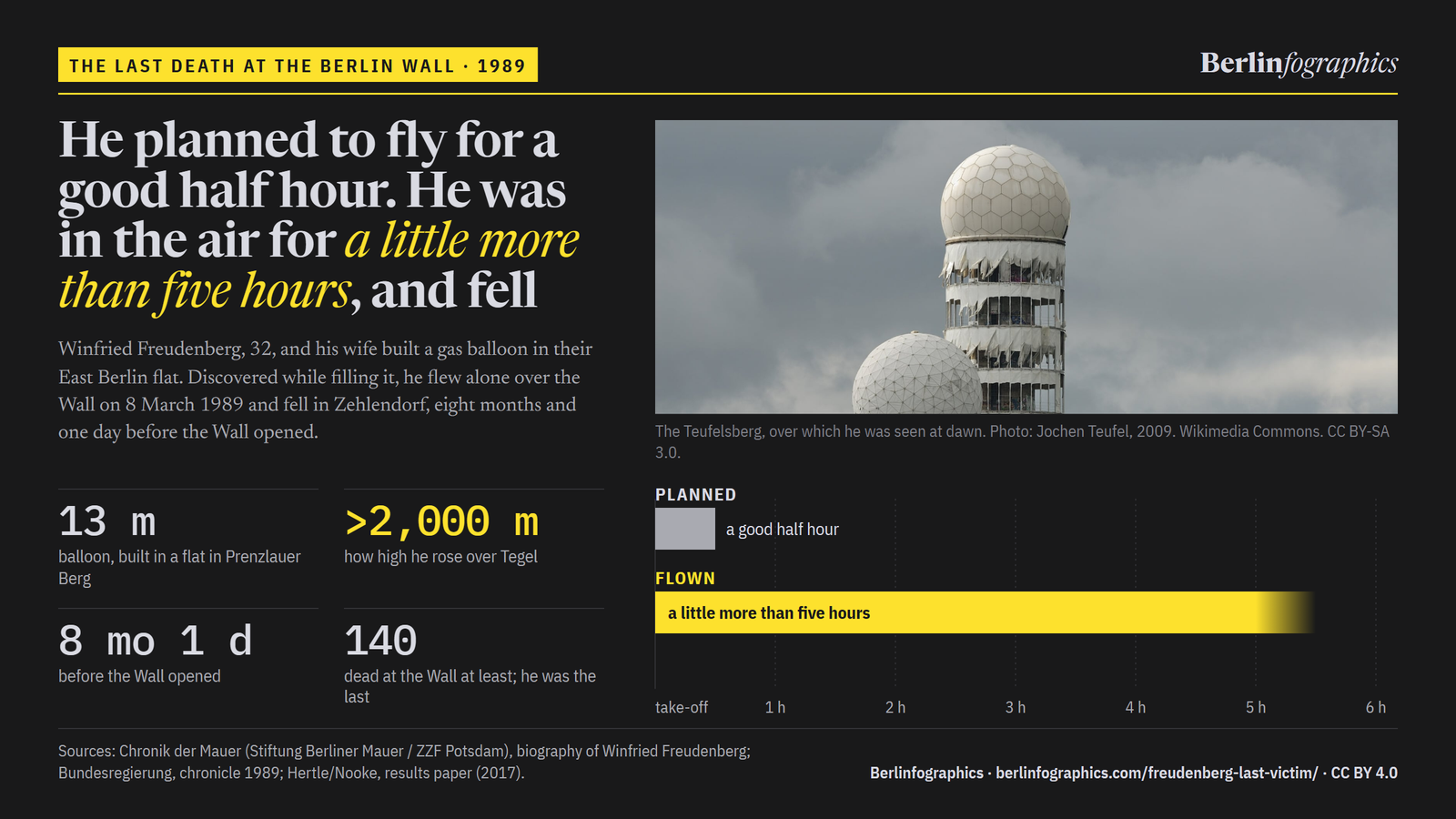
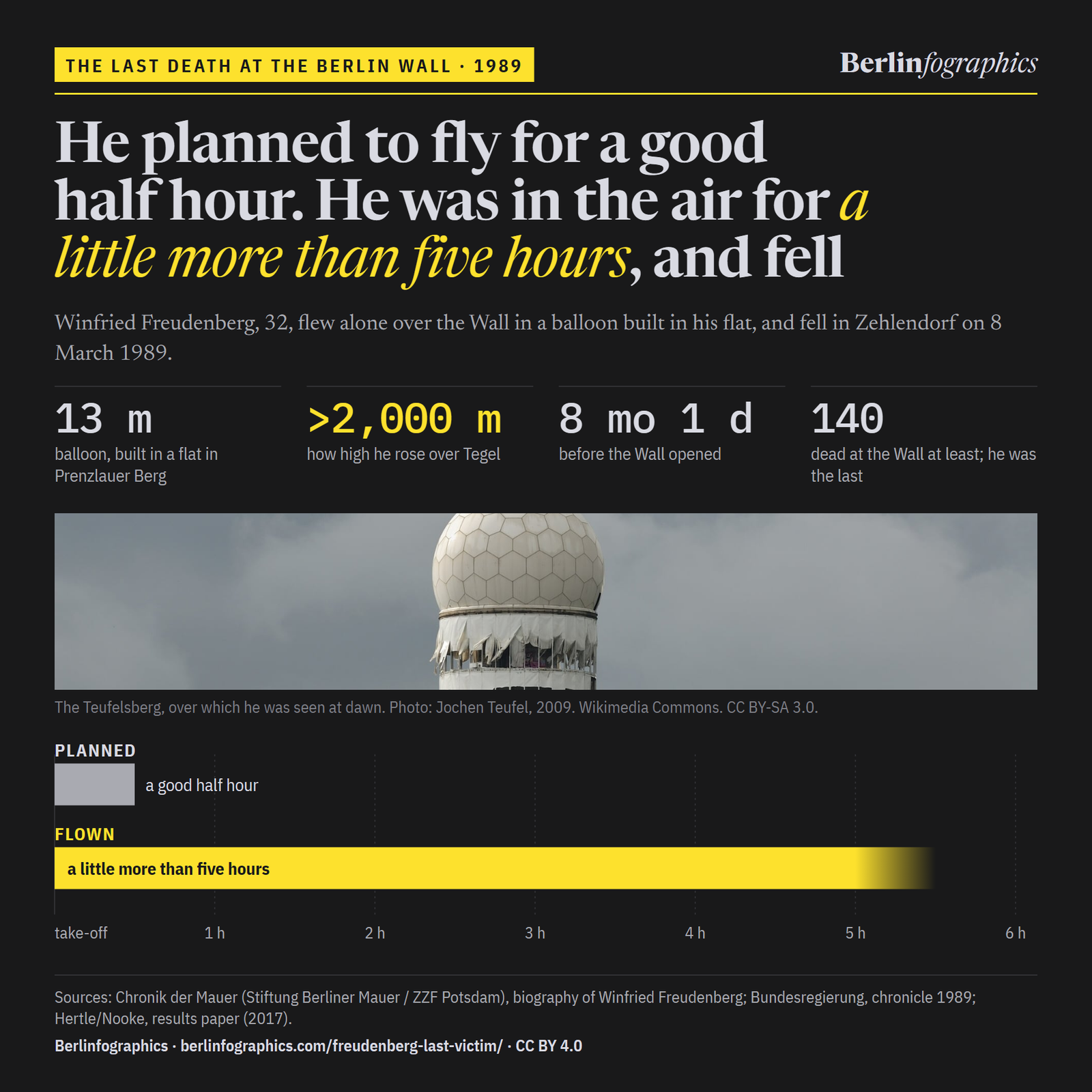
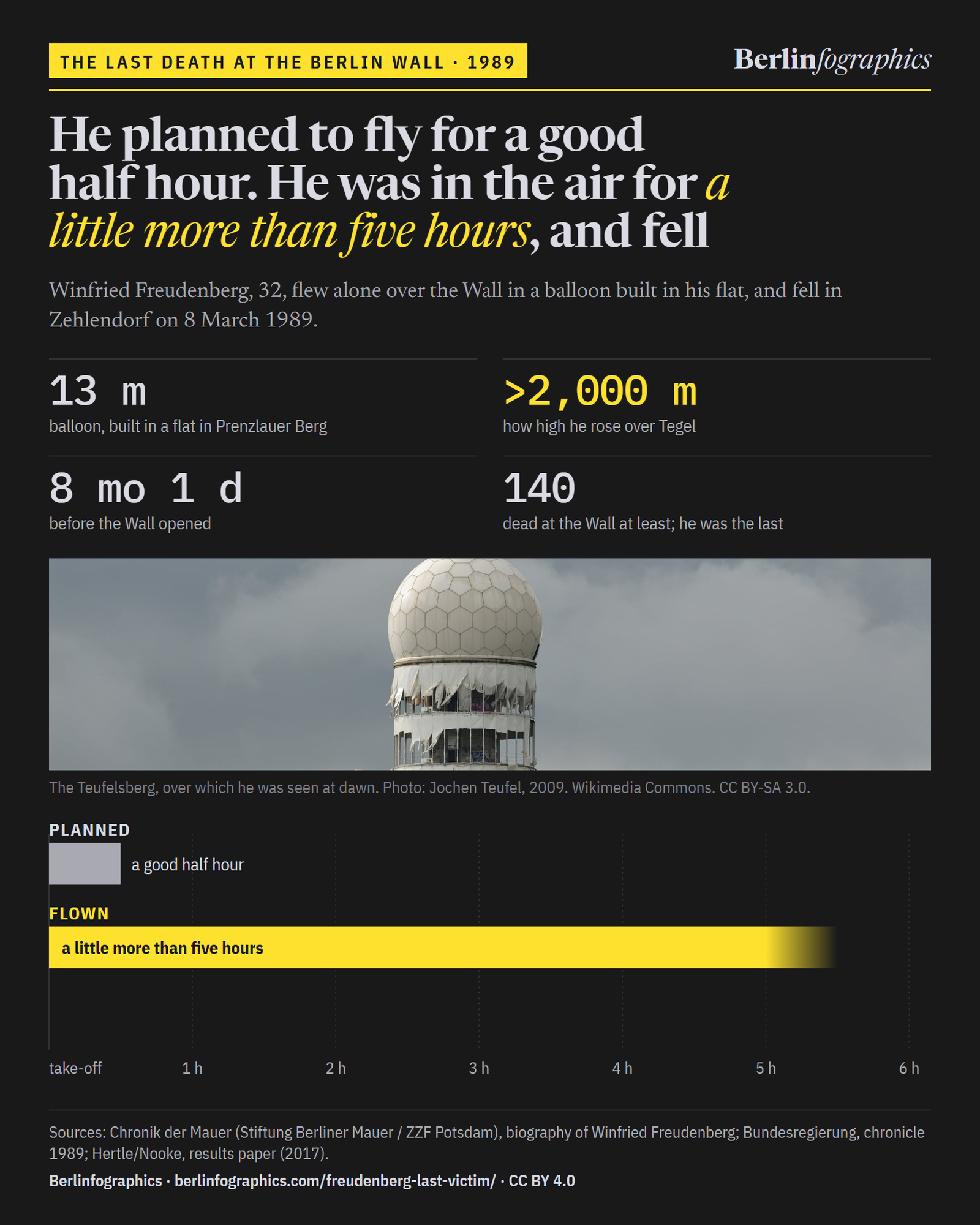
He planned to be in the air for a good half hour. He drifted over West Berlin for a little more than five hours, and fell

On 8 March 1989, eight months and one day before the Wall opened, Winfried Freudenberg, 32, cut loose alone beneath a gas balloon he and his wife had built in their East Berlin flat. He was the last of at least 140 people to die at the Berlin Wall.

13 m
the height of the balloon they built in their flat
>2,000 m
how high he rose over Tegel: well over, judged from the wind that caught him there
8 mo 1 d
before the Wall opened
140
people at least died at the Berlin Wall. He was the last
01Lüttgenrode · Autumn 1988

He grew up “a few hundred metres from a country he could never enter”

That is how Sabine Freudenberg later described her husband’s village, Lüttgenrode, which lay right beside the inner-German border. Born in 1956, he trained as an electrician, took his school-leaving exam at evening classes and studied information technology, qualifying as an engineer. He met Sabine, a chemistry student, in a student club.

They married in the autumn of 1988. Neither saw a future in East Germany, which denied them the chance to “travel, attend conferences, conduct research and have contact with people in the western countries”.

Two weeks before the wedding, visiting relatives in West Germany, he said he was determined to leave the GDR, but not without his wife. Straight after the wedding they began to plan an escape by gas balloon.

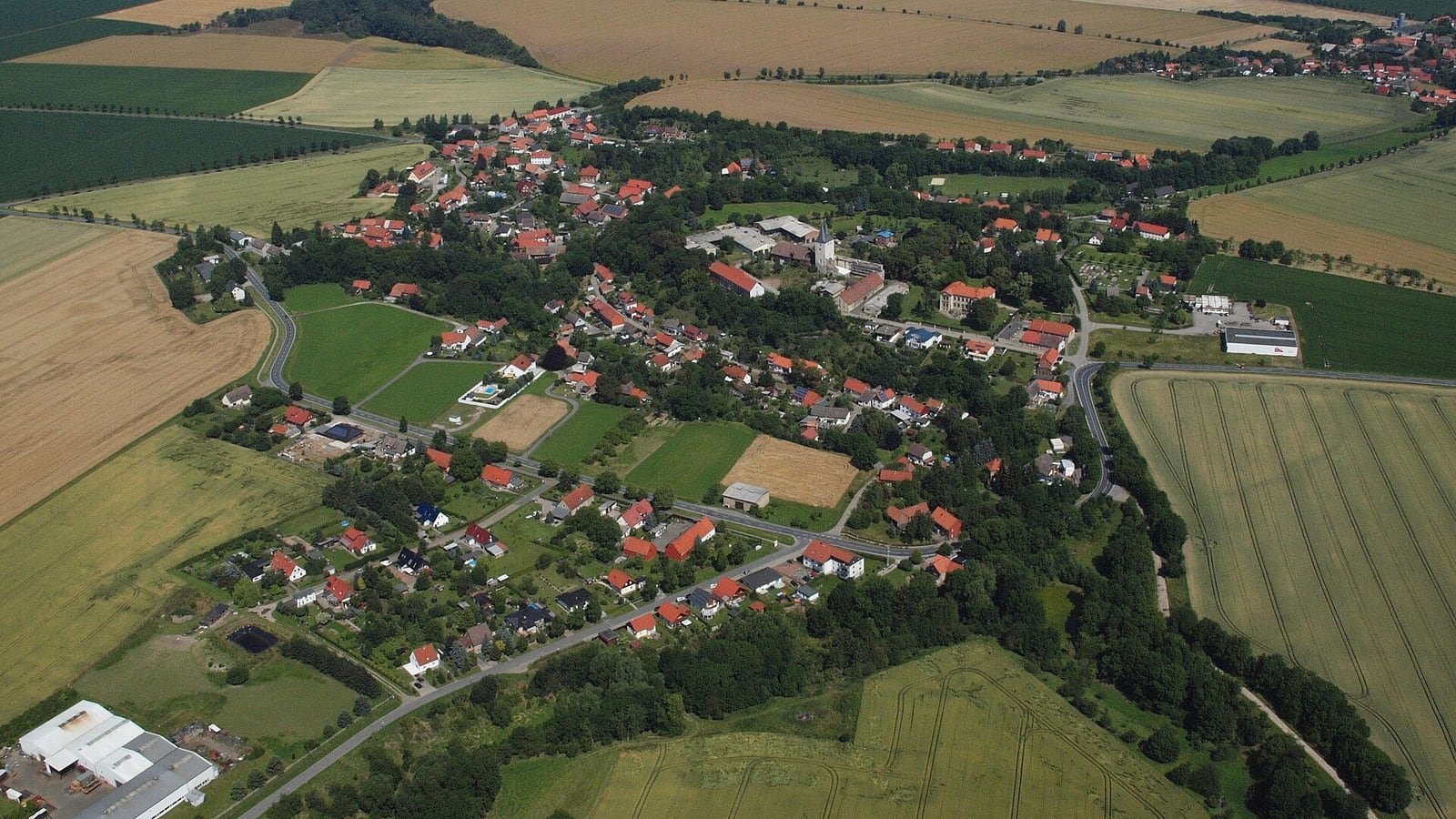
An aerial view of a small village of red-roofed houses and gardens set among large fields.
Lüttgenrode from the air, 2014. Winfried Freudenberg grew up in this village beside the inner-German border, and was buried here.Photo: Wolkenkratzer, 2014. Wikimedia Commons. CC BY-SA 4.0.

02Prenzlauer Berg · January–February 1989

They built a balloon 13 metres high in a flat in Prenzlauer Berg

He took a job with the gas supply of an East Berlin energy combine for one reason: it gave him access to natural gas. The couple moved into a flat in Prenzlauer Berg and bought polyethylene sheeting, the kind used for cold frames and tents, a little at a time so that nobody would notice.

From January they taped strips 13 m long and 2.5 m wide into an envelope 13 m high and 11 m across, and wrapped it in a net of packing string. His seat was to be a wooden batten 40 cm long and 2 cm thick.

The balloon, to scale

Height and width of the envelope to scale; its outline is drawn as a plain balloon shape.

While they built it he broke off contact with his family. They were puzzled at the time; later they understood that he had wanted to spare them the danger of knowing. By February everything was ready, and they waited every day for the right wind.

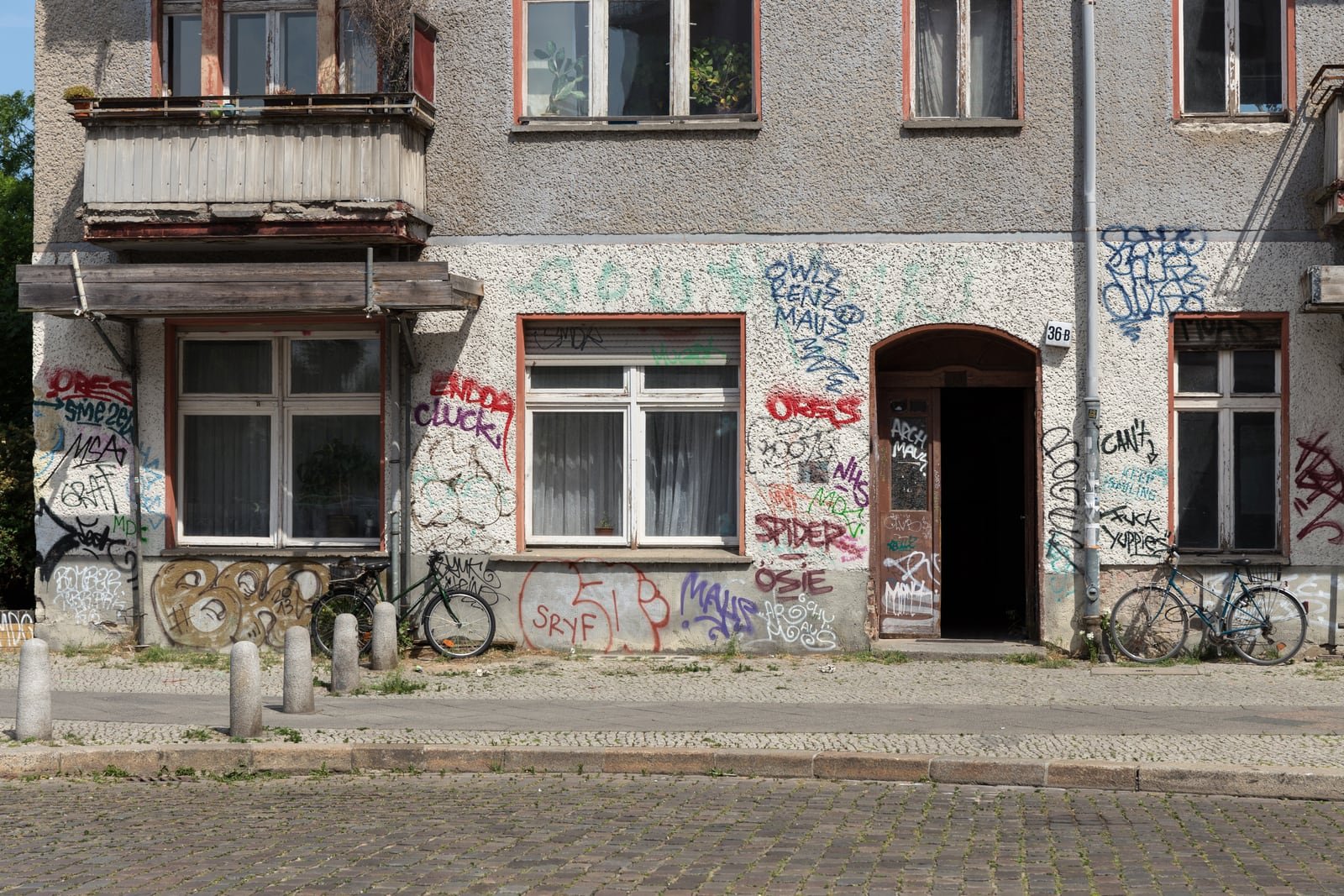
The facade and arched doorway of an old Berlin apartment building on a residential street.
A tenement entrance on Kopenhagener Straße in Prenzlauer Berg, 2015. The couple’s flat was in this district; its address is not given in the record.Photo: Ansgar Koreng, 2015. Wikimedia Commons. CC BY 3.0 de.

037 March 1989 – 8 March 1989

From Blankenburg in the north-east to Zehlendorf in the south-west, he crossed the whole of Berlin in one night

Only some moments of the night are on record: when and where he was seen, and when he fell. The map marks them in order. The lines join those places; the track he actually flew between them is not known.

The night of 7–8 March

Map of Berlin with the line of the Wall in 1989. The places of the night are marked in turn: the flat in Prenzlauer Berg, the gas station near Blankenburg, Tegel airfield, the Teufelsberg, and the corner in Zehlendorf where the empty balloon came down.

Grey: the Wall in 1989. The places of the night appear as you read.

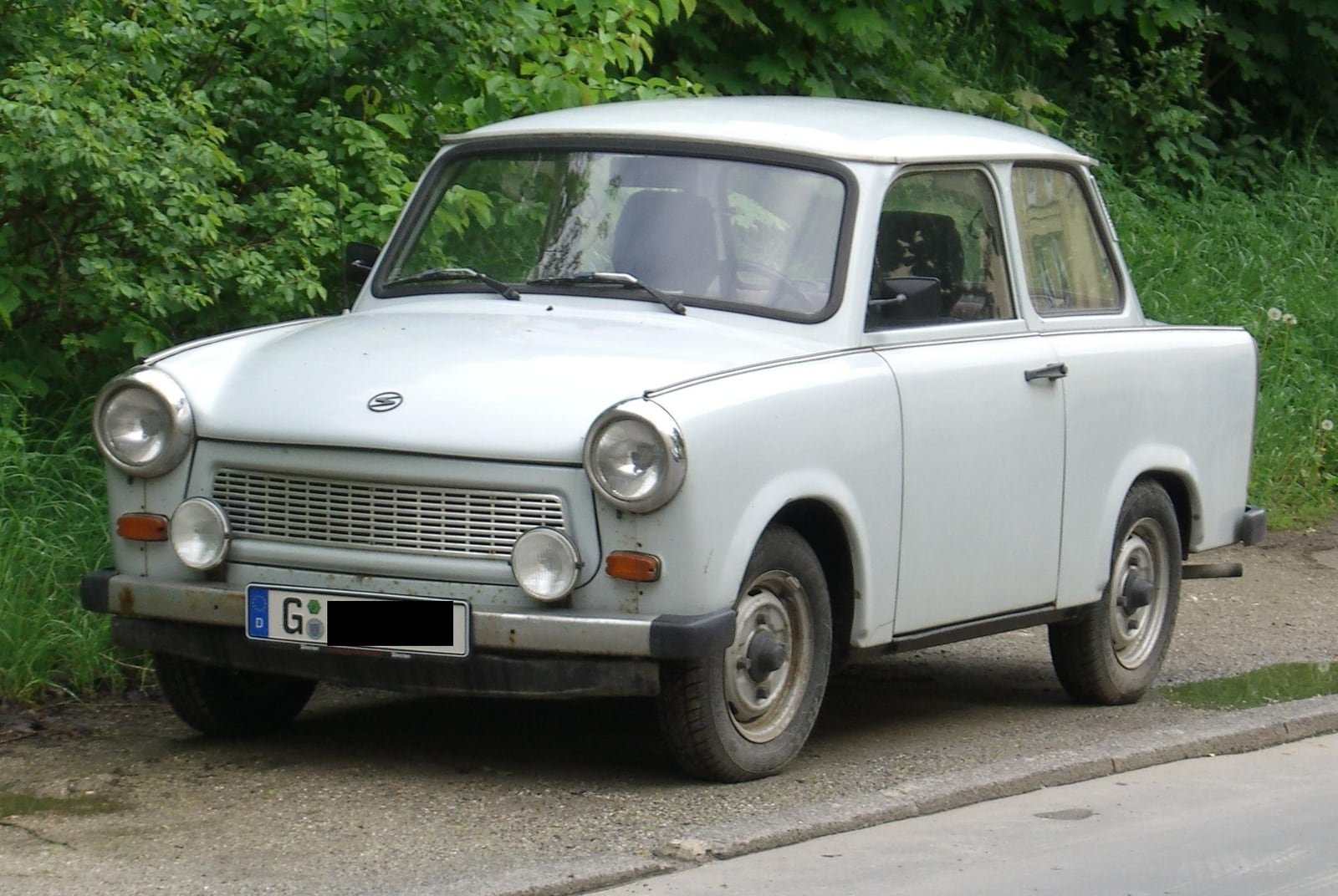
A small pale grey two-door saloon car parked by a hedge.
A Trabant 601, the GDR’s everyday car, photographed in 2006. The couple took the balloon to the gas station in their Trabant. Photo: Akunin · Public domain / Wikimedia Commons

Evening, 7 March · Prenzlauer Berg

The wind they had waited for

A moderate north-east wind came up at last. They loaded the balloon, the ballast and everything they meant to take into their Trabant.

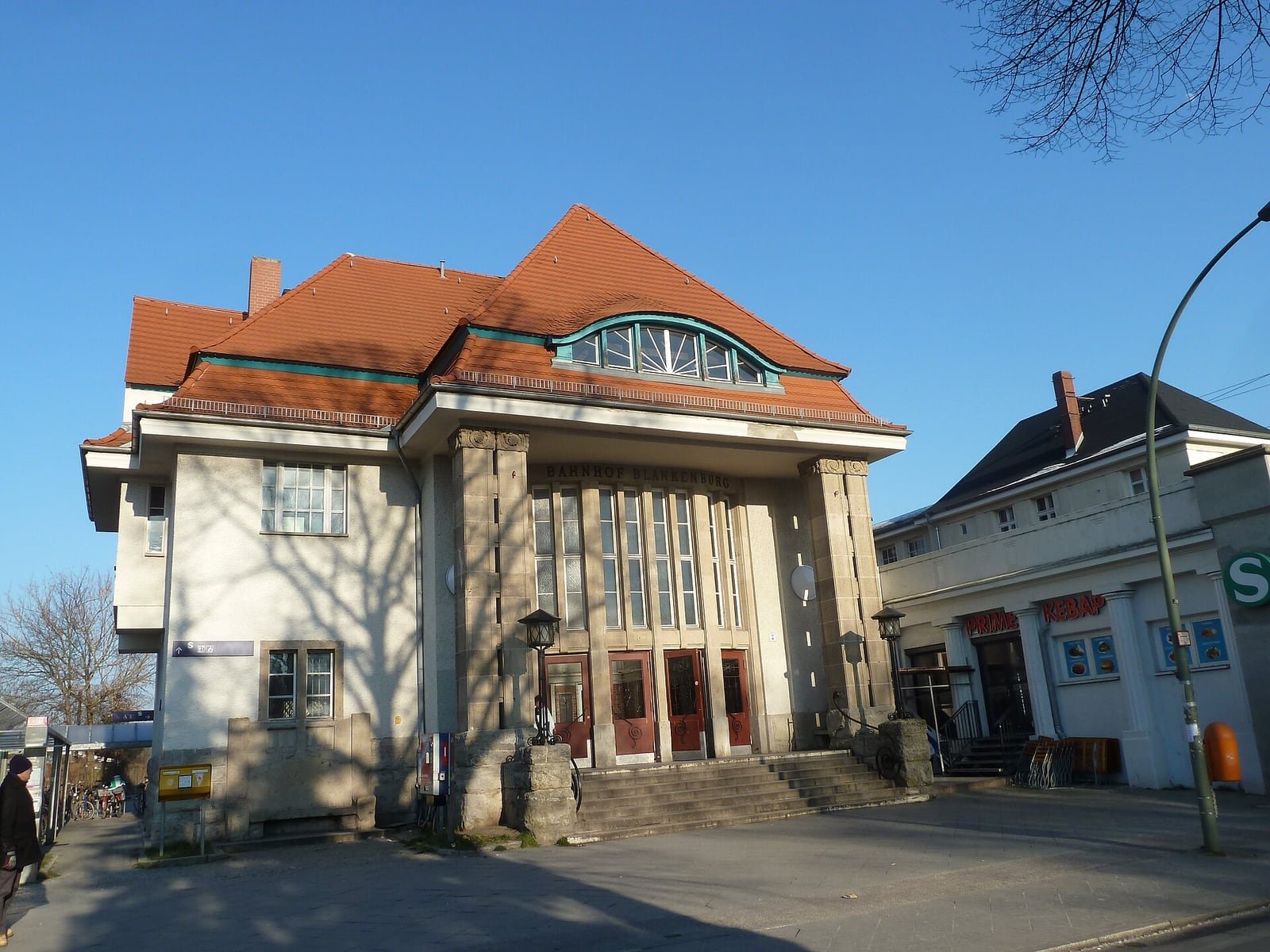
A two-storey station building with a red tiled roof and a tall arched window above a stone entrance, under a blue sky.
The listed station building of Berlin-Blankenburg S-Bahn station, 2012. The gas regulator station where they filled the balloon stood nearby. Photo: Global Fish, 2012. Wikimedia Commons. CC BY-SA 3.0.

Around midnight · Blankenburg

His work key opened the gas station

They drove to a regulator station of the Berlin gas supply near Blankenburg S-Bahn station, on the northern edge of East Berlin; his job gave him a key. Around midnight he began to fill the envelope with natural gas. A good hour later it could be seen from far off, despite the dark.

About 1.30

Seen from 500 to 600 metres away

A young man working shifts as a waiter was walking home. He knew that East Germans had escaped by balloon before, and he called the police.

Just after 2 · Blankenburg

He went alone

Just after two a police car pulled up at the gate. Fearing the balloon was not yet full enough to carry two, the couple decided he should go alone. As he rose, his ballast bags struck sparks from a power line. The police, fearing an explosion, did not shoot.

After take-off · the sector border

Over the Wall, unnoticed

Without his wife’s weight he rose far faster and higher than he had calculated. A reconstruction of his route suggests that he crossed the sector border between Pankow and Reinickendorf unseen, at about 20 km/h.

The underside of a Concorde wing and its landing gear in the foreground, with a low airport terminal and control tower in the distance.
Tegel airport in West Berlin, 1987: an Air France Concorde on the apron, the terminal behind it. Photo: Lothar Weber, 1987. Wikimedia Commons. CC BY-SA 4.0.

Tegel airfield

Over Tegel he rose beyond 2,000 metres

He probably tried to land at Tegel, but the rip line seems not to have worked; he lost ballast and rose higher still. A northerly wind caught him there, so he was well over 2,000 m up.

A wooded hilltop under a heavy grey sky, crowned by a tower and two white geodesic radar domes.
The Teufelsberg in Grunewald, with the domes of the former American listening station, 2009. At dawn on 8 March 1989 a walker saw the balloon high above this hill. Photo: Jochen Teufel, 2009. Wikimedia Commons. CC BY-SA 3.0.

Dawn · the Teufelsberg

A walker took him for a weather balloon

He had planned on a good half hour in the air. Instead he spent hours crouched on a wooden stick at great height in icy cold, drifting west, then south. At dawn a walker saw him high above the Teufelsberg and thought he was a weather balloon.

A long grassy border strip with a concrete-lined ditch on the left, a row of lamp posts and a pale wall running into the distance beside trees.
The Wall at Kleinmachnow, on the southern edge of West Berlin, in 1990: the concrete-sided vehicle ditch in front of the border strip. Photo: Andreas Lippold, 1990. Wikimedia Commons. CC BY-SA 4.0.

About 7.30 · Zehlendorf

A few hundred metres short of East Germany

Over Zehlendorf he fell. A few hundred metres further, near Kleinmachnow, he would have drifted back into the GDR. The empty envelope caught in a tree at Potsdamer Chaussee and Spanische Allee; he struck a villa garden a few hundred metres away and was killed instantly.

The facade and arched doorway of an old Berlin apartment building on a residential street.
A tenement entrance on Kopenhagener Straße in Prenzlauer Berg, 2015. The couple’s flat was in this district; its address is not given in the record. Photo: Ansgar Koreng, 2015. Wikimedia Commons. CC BY 3.0 de.

Early morning · Prenzlauer Berg

Two Stasi men were waiting for Sabine

When Sabine Freudenberg got back to the flat, two men from the Stasi were already there. Papers lost at the launch had given away the couple’s names and address. She was arrested and interrogated.

04What the record holds

He had planned on a good half hour in the air. He was up for a little more than five hours

Two moments of the flight are fixed, both only roughly: he cut loose just after two in the morning and fell at about 7.30. Everything else was pieced together afterwards from the people who saw him and from the wind.

The flight he planned, and the flight he made

Both bars on the same scale. The record says “a little more than five hours”, so the second bar fades out past that point.

  • The heightNever measured. Over Tegel he was caught by a northerly wind that blew that night only above 2,000 m, so he must have been well over that height.
  • The fallNever explained. The West Berlin police assumed he finally managed to let out gas, so that the balloon dropped fast, and that a gust then lifted it again, braking it so hard that he was thrown from his seat.
  • The trackNot known. He was seen at Blankenburg, over Tegel and above the Teufelsberg, and came down in Zehlendorf.

05March – November 1989

Eight months and one day later, the Wall opened

The Stasi opened a case, the Operativer Vorgang “Regler”, and watched the couple’s relatives in East and West, their friends and their colleagues. It could not contain the shock. Only weeks before, the GDR had signed the Vienna CSCE document, committing itself to respect everyone’s right to leave any country, including their own. As after the killing of Chris Gueffroy, the last person shot at the Wall, on 5 February 1989, the East German leadership found itself in the dock before the world.

The Vogel law office, which represented Sabine Freudenberg, raised the idea of the West German government buying her release. She refused. She was given three years’ probation, and was amnestied on 27 October 1989, 13 days before the Wall opened.

On 7 April 1989 his body was taken from West to East Berlin and cremated. He was buried in Lüttgenrode on 24 April 1989, under the Stasi’s covert watch and with great public sympathy. The Stasi recorded why it expected no trouble:

“Their effectiveness benefited from the favorable burial location within the border security area.”

Lüttgenrode lay inside the GDR’s restricted zone along the inner-German border, the same border he had grown up beside.

A tall rust-brown steel stele with an engraved inscription, standing on a paved circle beside a canal.
The memorial stele for Chris Gueffroy beside the Britzer Verbindungskanal, Berlin, 2006. He was shot at the Wall a month before Winfried Freudenberg died.Photo: SilP, 2006. Wikimedia Commons. CC BY-SA 2.5.

From the Vienna document to the opening of the Wall, 1989, to scale

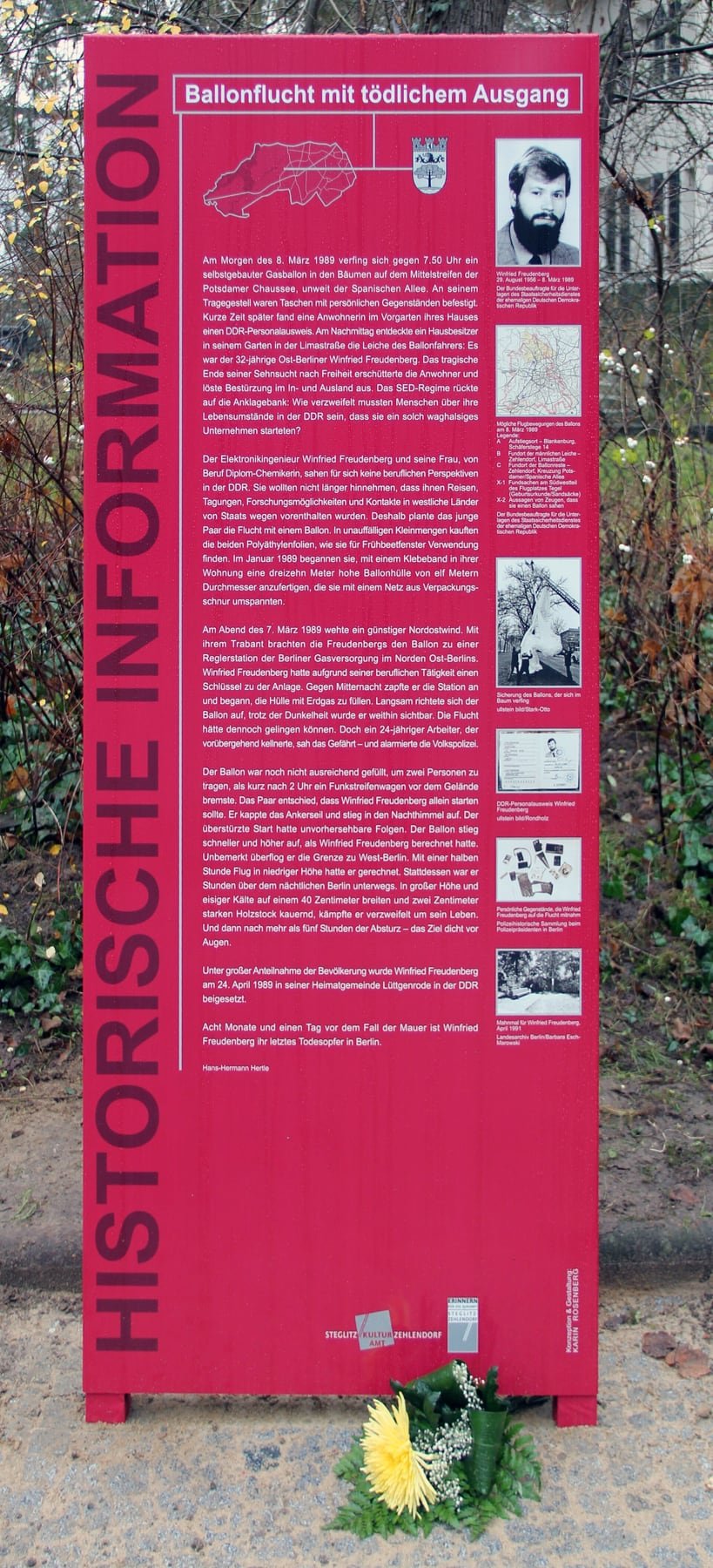
A tall red information panel headed Historische Information, printed with text, small pictures and a map, with yellow flowers laid at its foot.
The memorial stele for Winfried Freudenberg on the Erdmann-Graeser-Weg in Zehlendorf, photographed in 2012, the year it was dedicated.Photo: OTFW, Berlin, 2012. Wikimedia Commons. CC BY-SA 3.0.

He was the last of at least 140 people to die at the Berlin Wall. Since 2012 a memorial stele has stood on the Erdmann-Graeser-Weg in Zehlendorf, near where he fell.

Press & citation

Use this Berlinfographic

Free to publish under CC BY 4.0 — in print, online, on Wikipedia and in teaching, commercially or not — with credit to Berlinfographics and a link to this page.

The last flight of Winfried Freudenberg, 1989: ready-to-use landscape image

Ready-to-use image

The infographic as one image: headline, key figures, chart, sources and credit, 2,400 × 1,350 px PNG. Please use it unedited.

Download landscape (PNG)
The last flight of Winfried Freudenberg, 1989: square version

Square format

A 1:1 version for social media and narrow columns, 1,800 × 1,800 px.

Download square (PNG)
The last flight of Winfried Freudenberg, 1989: portrait version

Portrait 4:5

For Instagram and LinkedIn feeds, 1,620 × 2,025 px.

Download portrait (PNG)

Credit line

Berlinfographics (berlinfographics.com), CC BY 4.0

Citation

Berlinfographics (2026). “The last flight of Winfried Freudenberg, 1989”. Berlin Experiences. https://berlinfographics.com/freudenberg-last-victim/

Wikipedia

{{cite web |title=The last flight of Winfried Freudenberg, 1989 |url=https://berlinfographics.com/freudenberg-last-victim/ |website=Berlinfographics |publisher=Berlin Experiences |date=2026-11-09 |access-date=2026-11-09}}