 Architecture & the built city1899–1930
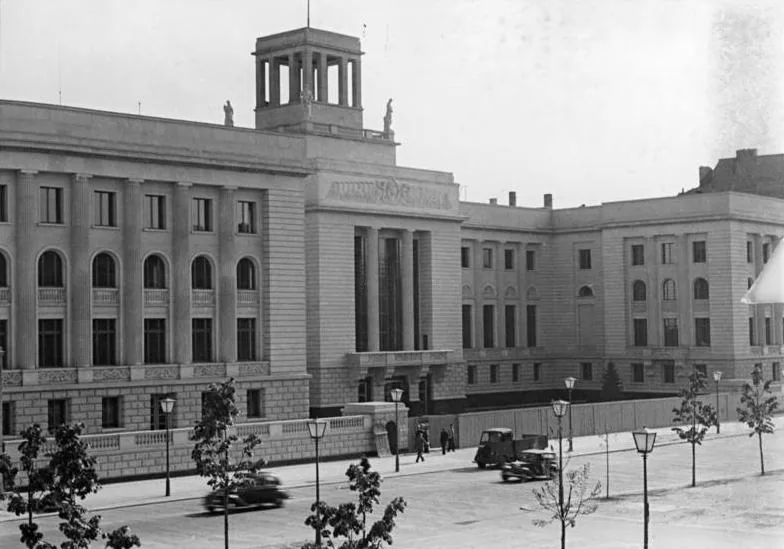
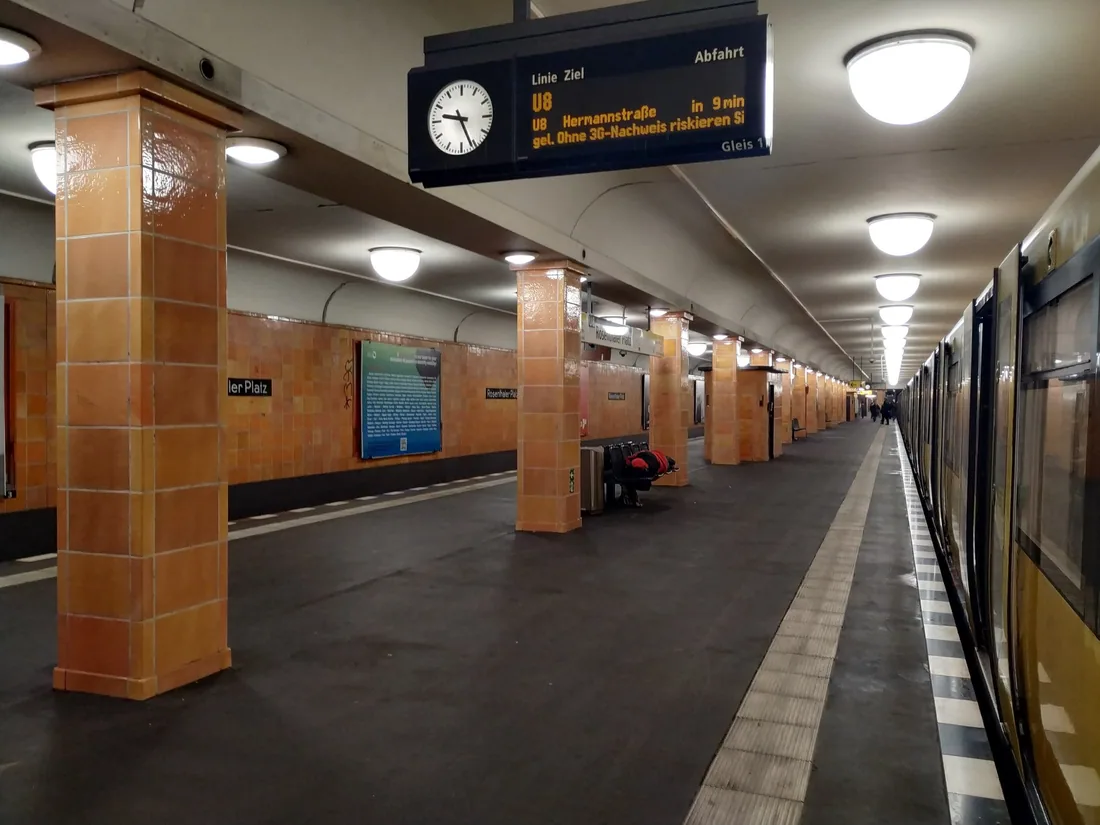
Alfred Grenander designed 61 Berlin U-Bahn stations. Fifty-nine are still in service.
Cold War Berlin1948–49
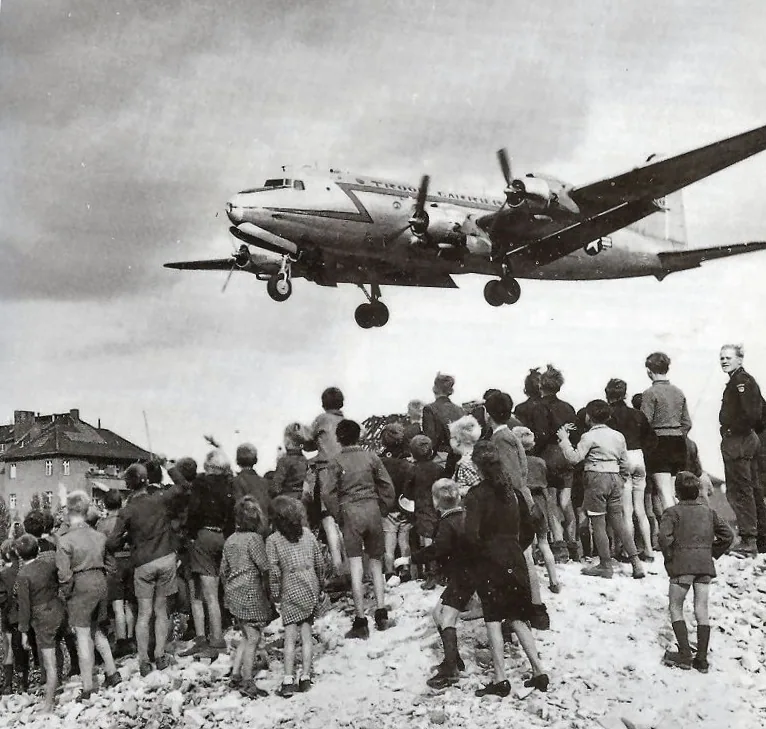
Stalin bet West Berlin could not be fed from the air. For fifteen months a plane landed, on average, every 2 min 23 s.
When the Soviet Union blockaded West Berlin in 1948, the Western Allies kept the city alive by air. A timetable story of coal, flour and the runway Berliners built by hand.
US Air Force photograph, public domain.
Berlin’s history, drawn from the record.95 infographics · free to publish under CC BY 4.07 November 2026
Architecture & the built city1899–1930
Alfred Grenander designed 61 Berlin U-Bahn stations. Fifty-nine are still in service.
 Culture, science & society1930–2026
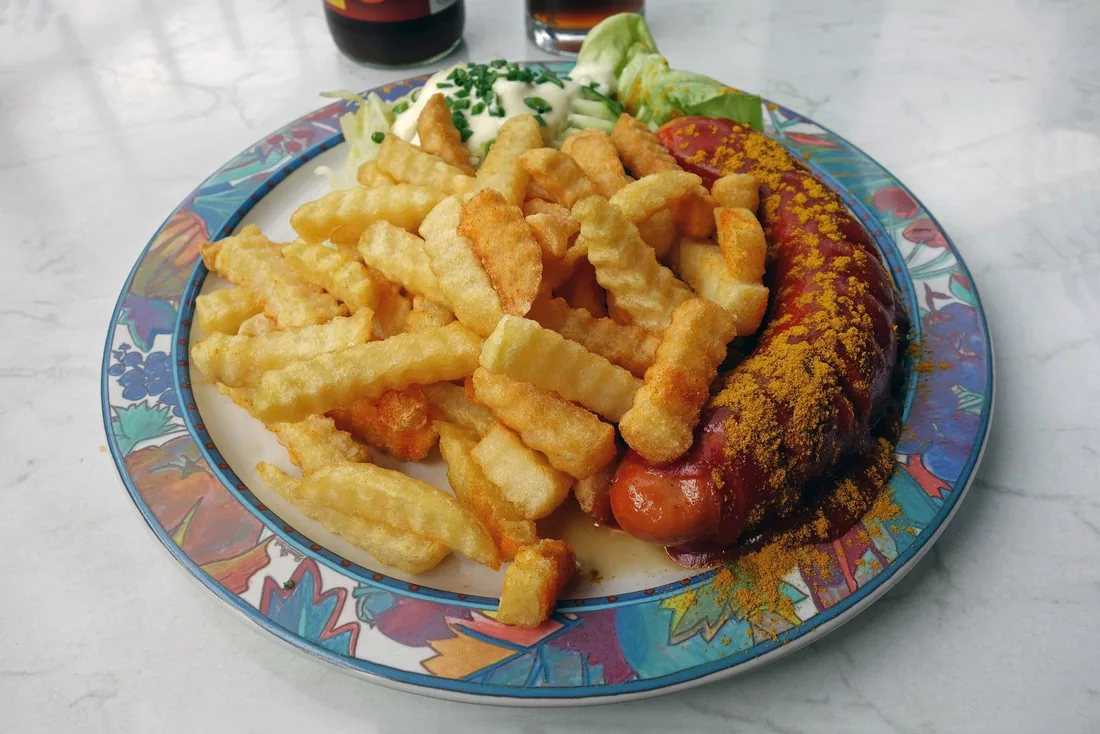
Berlin eats an estimated 70 million currywurst a year — and cannot prove it invented them
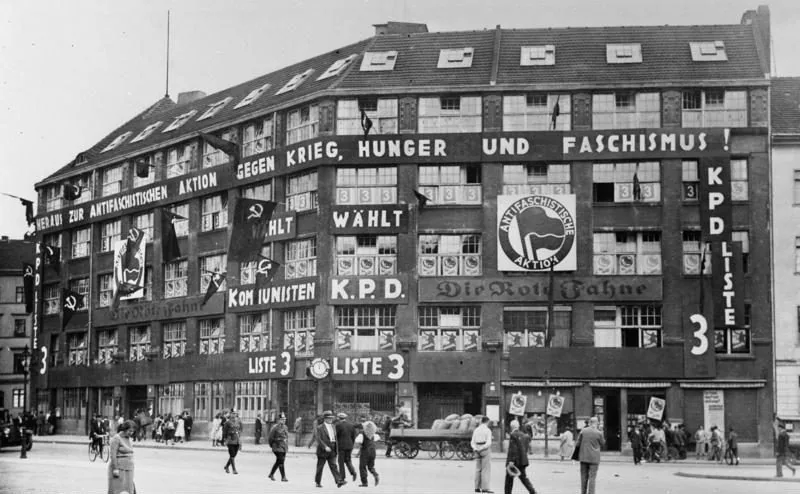 Weimar Berlin1920–1933
Berlin’s Social Democrats and Communists outvoted the Nazis at every Weimar election. They never once voted together
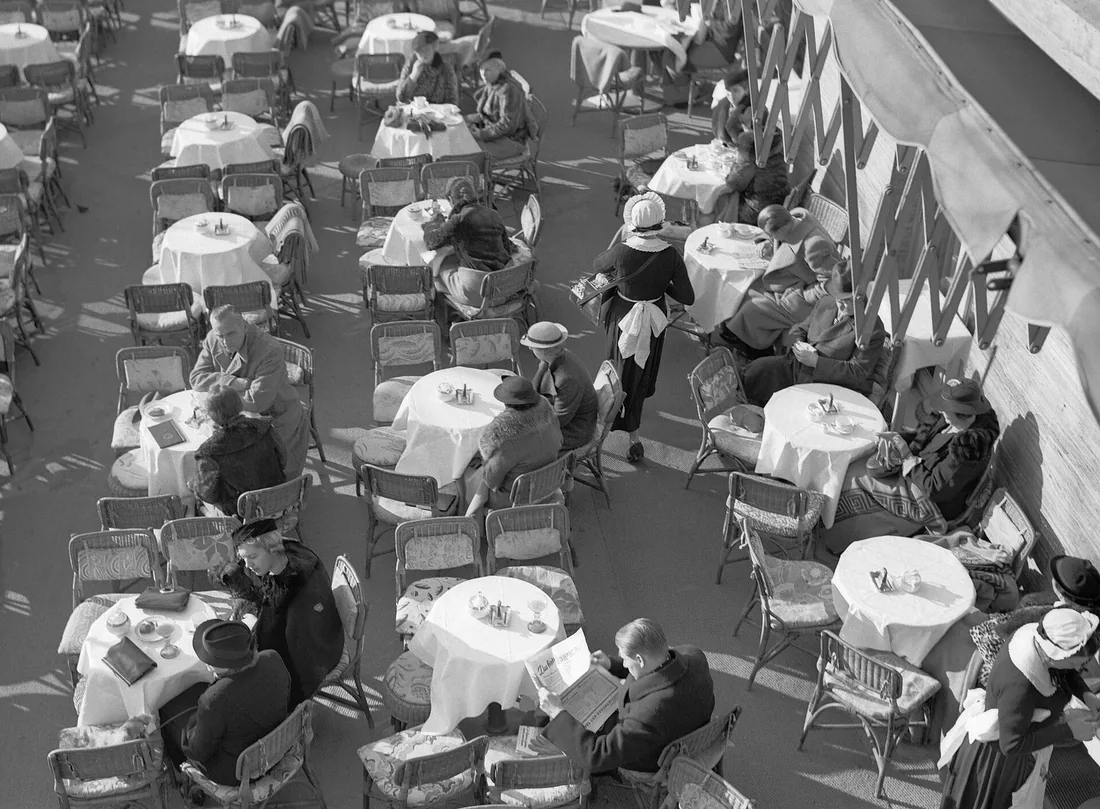 Culture, science & society1825–2026
Café Kranzler opened in the west in 1932, not in 1945
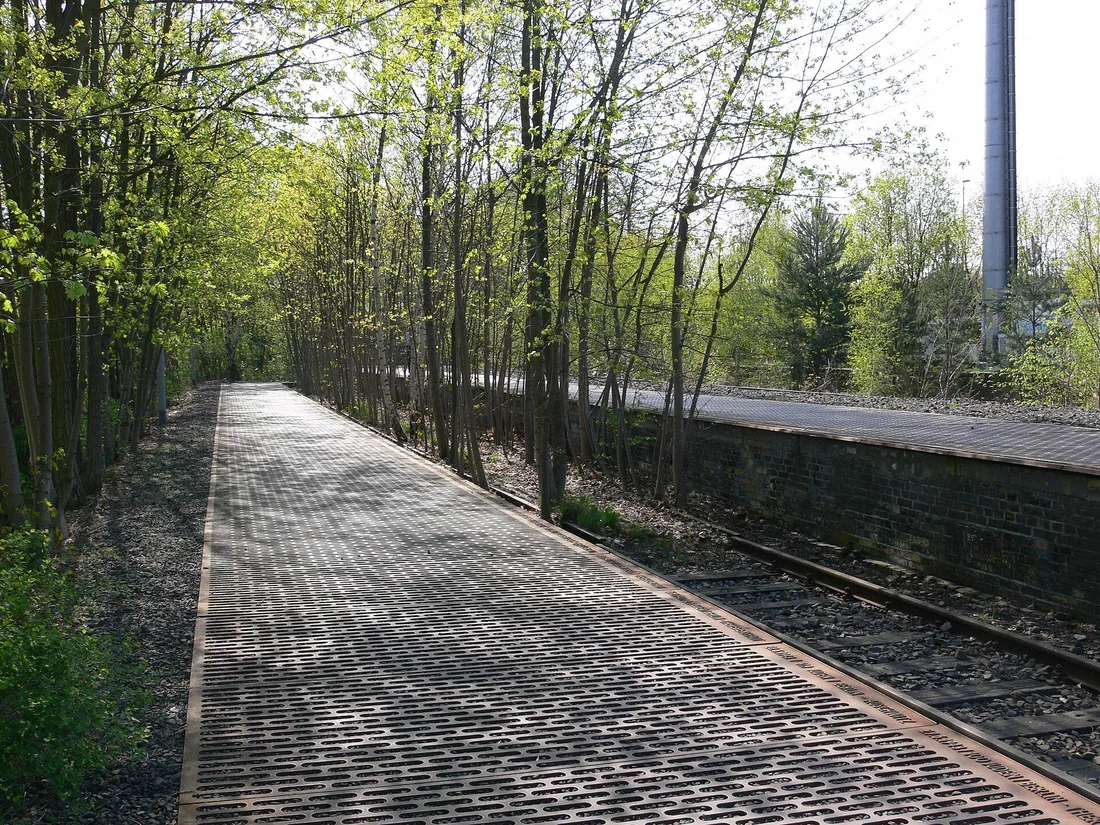 Persecution & the Holocaust1941–45
More than 50,000 Jews were deported from Berlin. About 2,000 came back.
Conquest, siege and the destruction of cities, 1939–45.
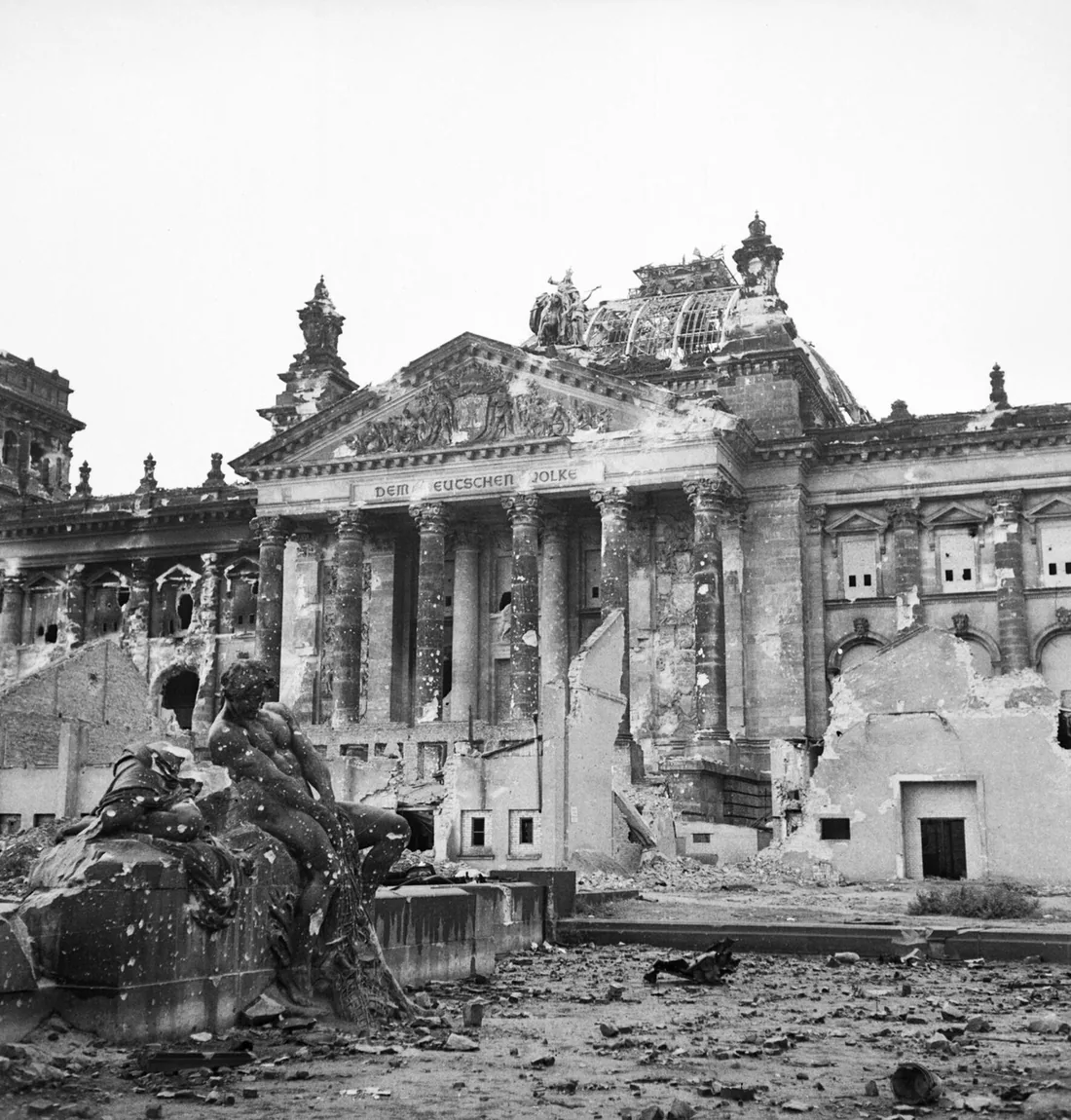 The Second World War1943–1946
Mitte lost more than half its homes to the war. Pankow lost fewer than one in ten
 The Second World War1939–45
Stalingrad was the smallest of the three cities and the bloodiest battle. Berlin, the largest, was taken in 16 days.
 The Second World War1945
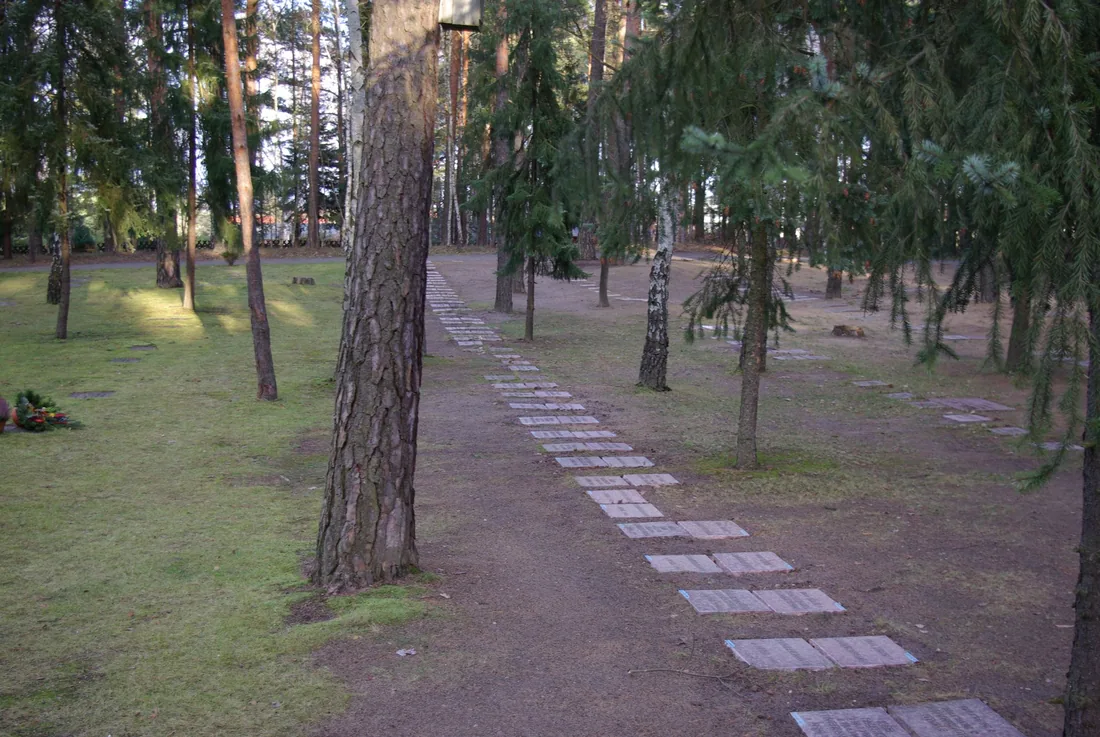
Berlin’s 1945 death counts differ sixfold, because they count different ground
 The Second World War1945
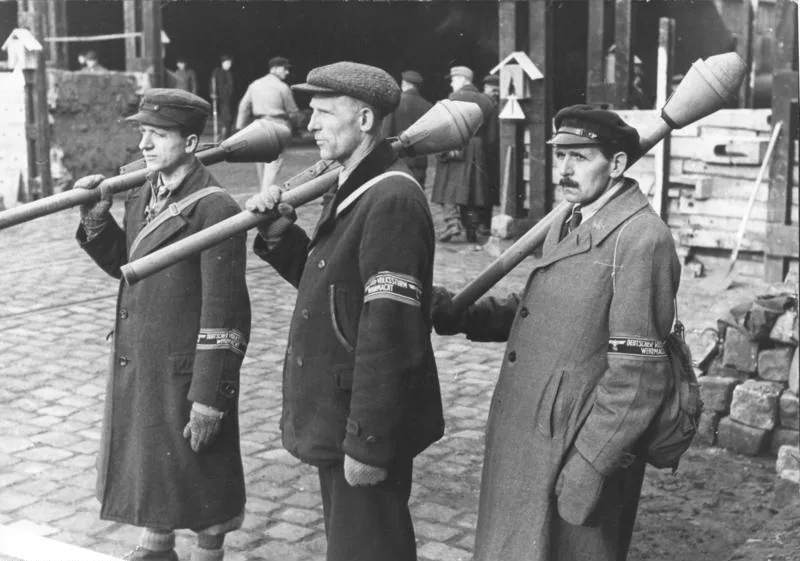
The 9th Army counted 112,143 men on 16 April 1945. Below it, the order of battle stops counting.
 The Second World War1939–41
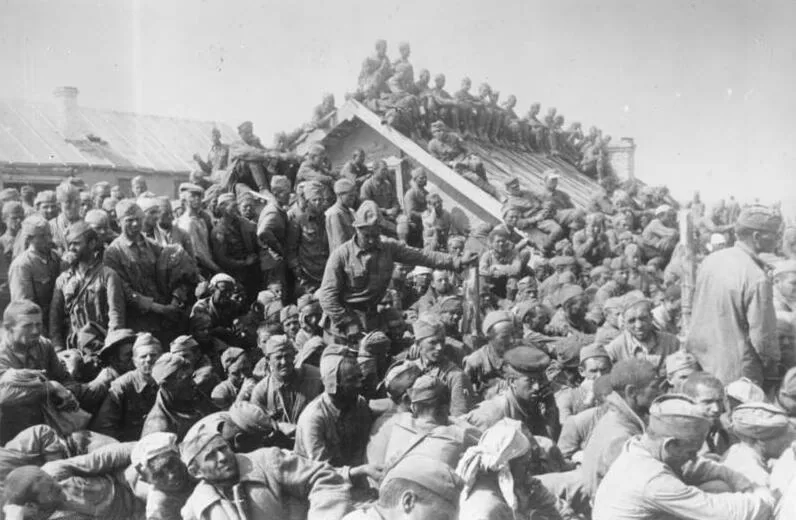
In less than two years Nazi Germany invaded ten countries. Nine fell. The tenth stopped the Wehrmacht about 30 kilometres from the Kremlin.
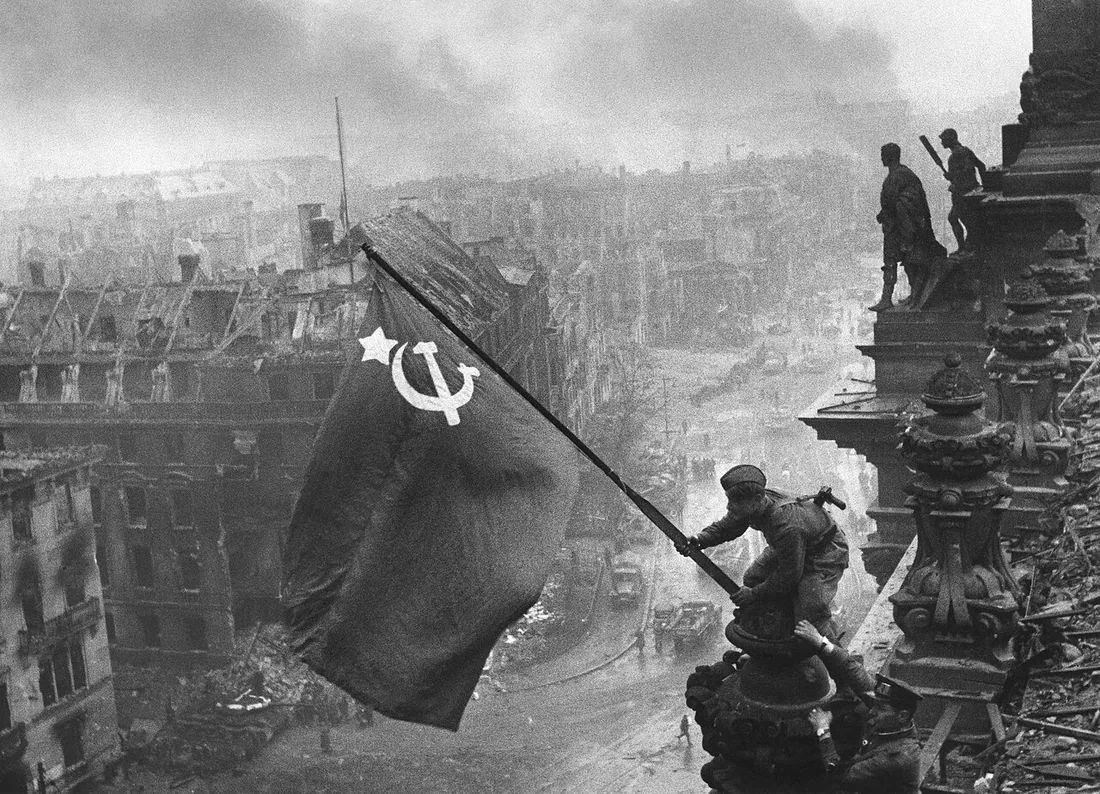 The Second World War1945
In seventeen days the Red Army broke Berlin’s three lines of defence and took Hitler’s capital street by street
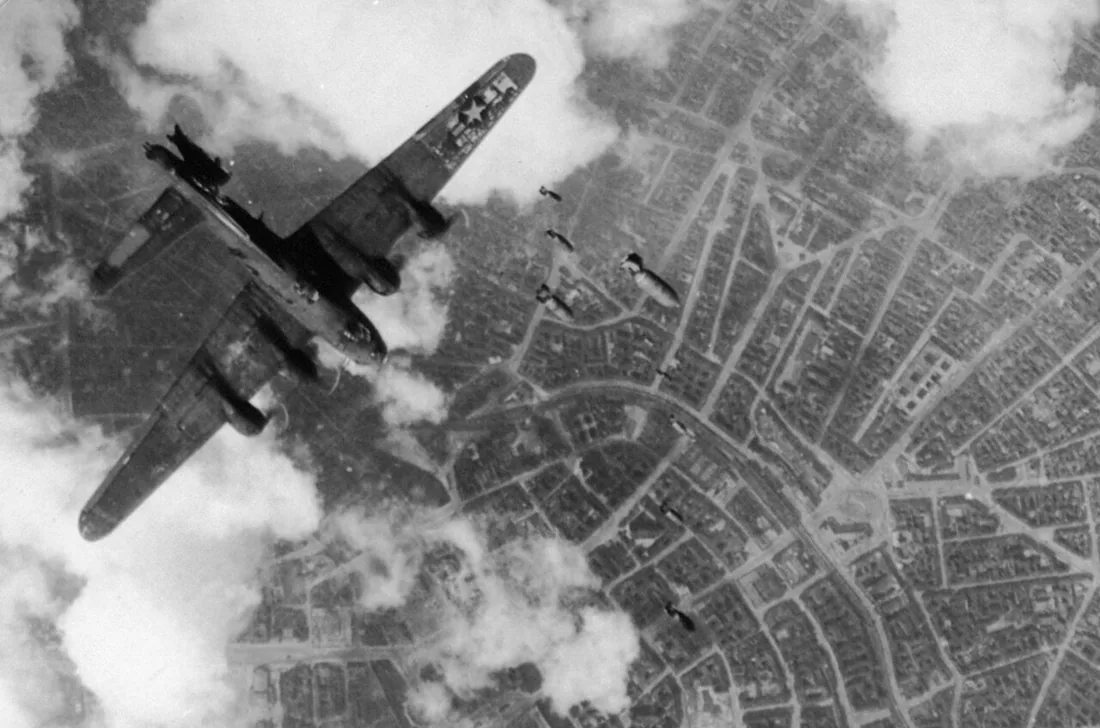 The Second World War1940–45
Berlin was bombed 363 times. The raids stopped on 21 April 1945 only so the Red Army could begin its assault
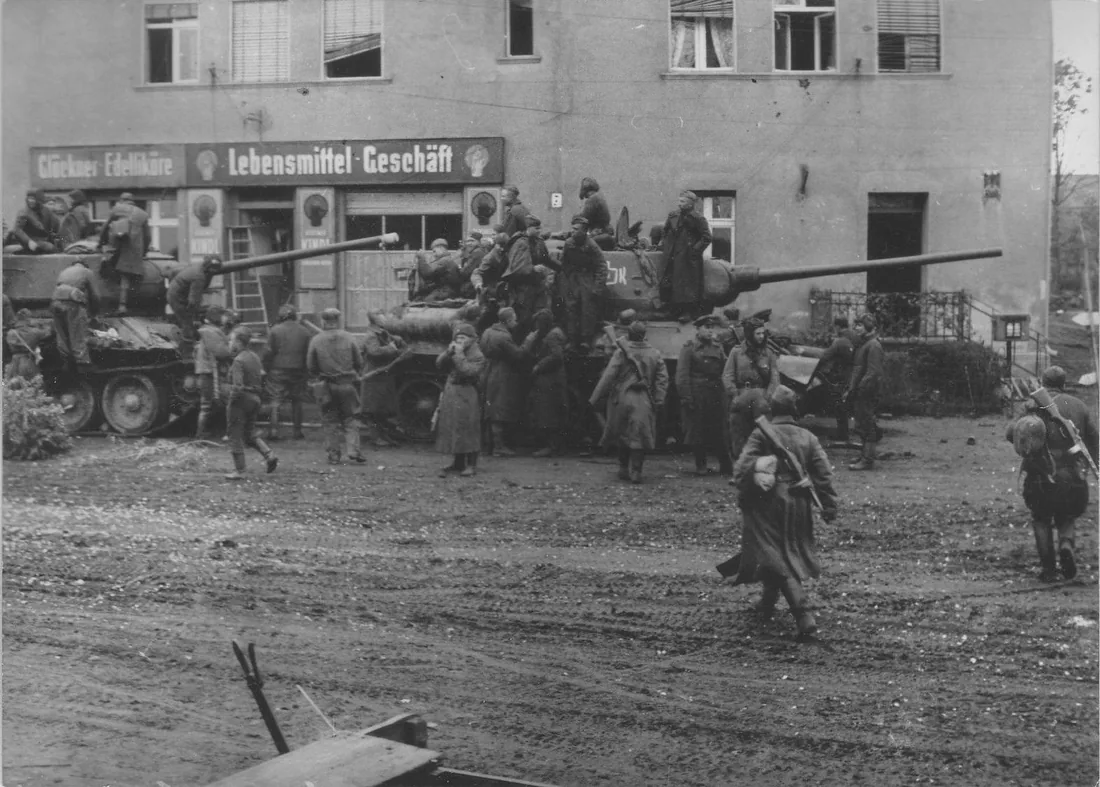 The Second World War1945
The Berlin offensive cost Soviet forces 352,475 casualties in 23 days
 The Second World War1944–45
Reached from both ends: the camps were freed east to west and west to east, and the last was reached the day after Germany surrendered
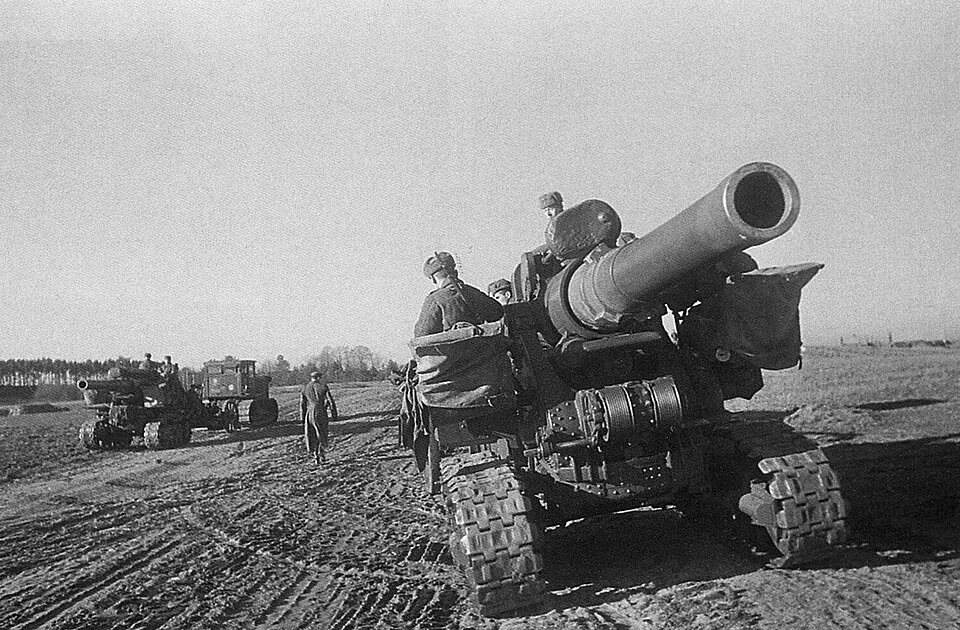 The Second World War1945
A gun every 3.7 metres: the Red Army's breakthrough line on the Oder
 The Second World War1945
The last fifteen kilometres took as long as the first seventy-one
 The Second World War1944–45
Cut through, the Tiger II carries 233 mm of steel across its nose. The SS battalion that fought it in Berlin reported twelve.
Blockade, Wall and spies in the divided city, 1945–90.
Cold War Berlin1948–49
Stalin bet West Berlin could not be fed from the air. For fifteen months a plane landed, on average, every 2 min 23 s.
 Cold War Berlin1961–1992
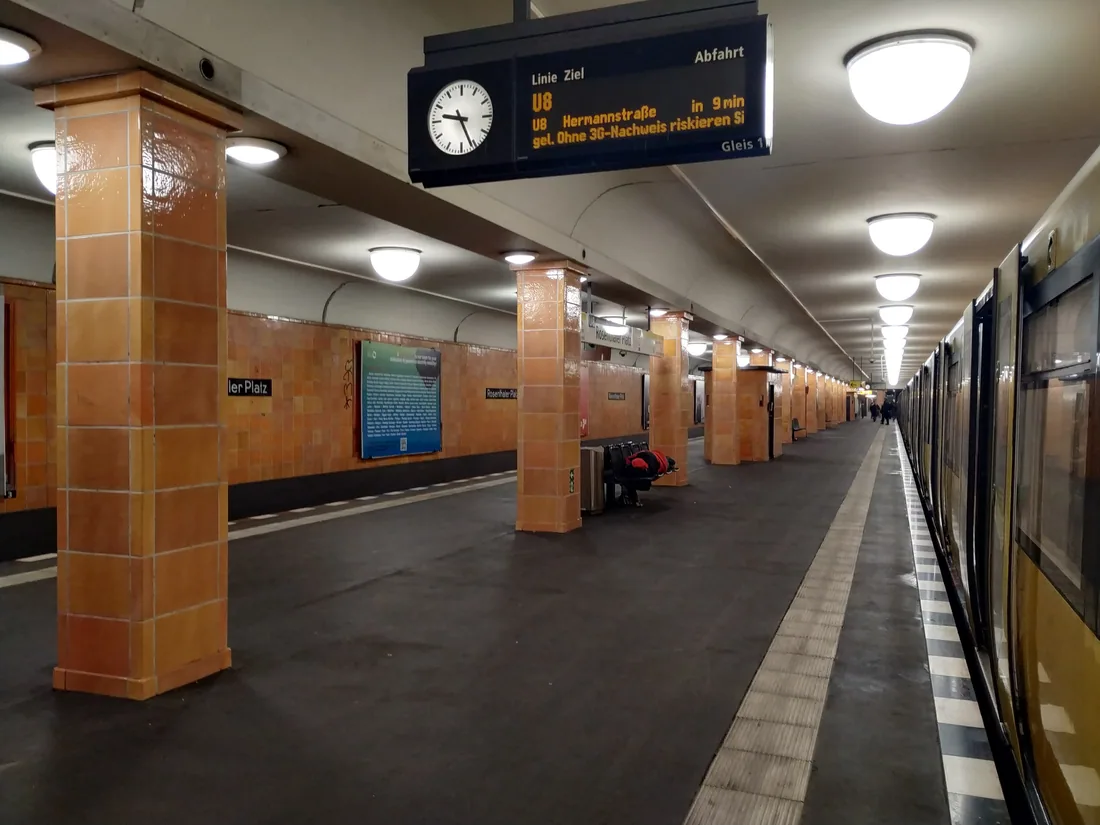
For 28 years, West Berlin’s trains ran under the East through 15 sealed stations where they were forbidden to stop
 Cold War Berlin1962–1990
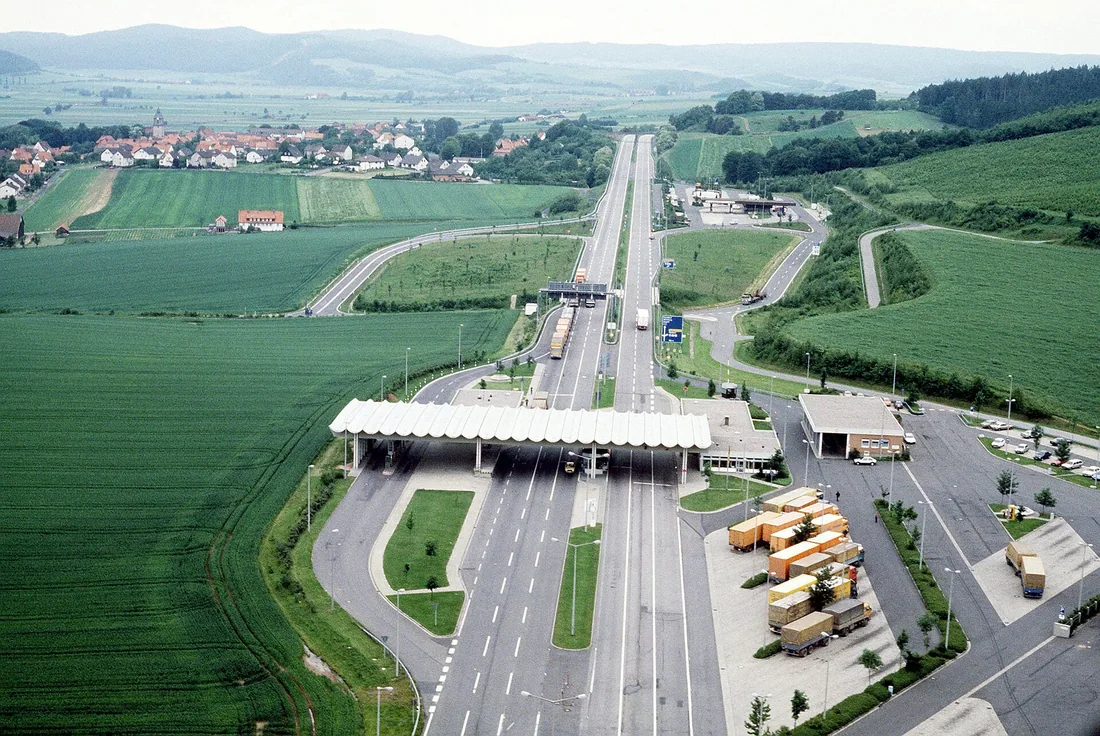
West Germany bought 33,755 political prisoners out of East German jails
 Cold War Berlin1963
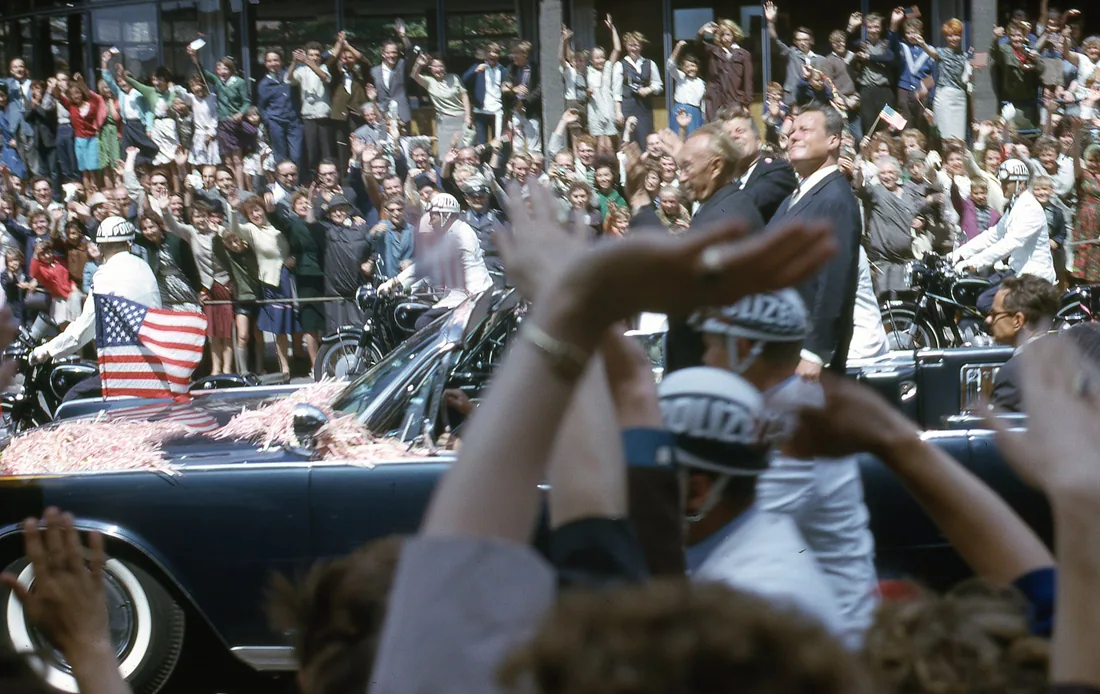
Kennedy had seven and a half hours in West Berlin. The speech the world remembers took about nine minutes of them
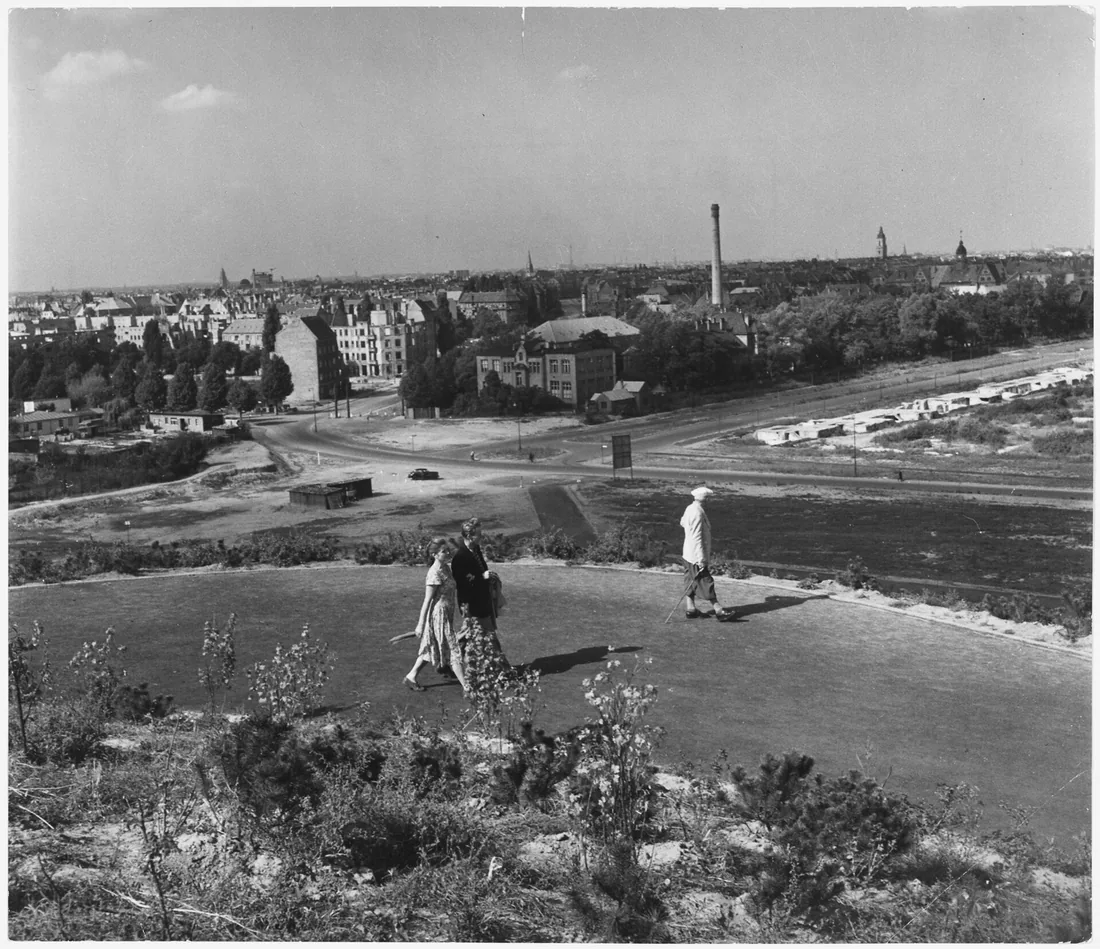 Cold War Berlin1944–1952
The Morgenthau Plan was never adopted. Yet for twenty-six months its words told the US Army not to rebuild Germany
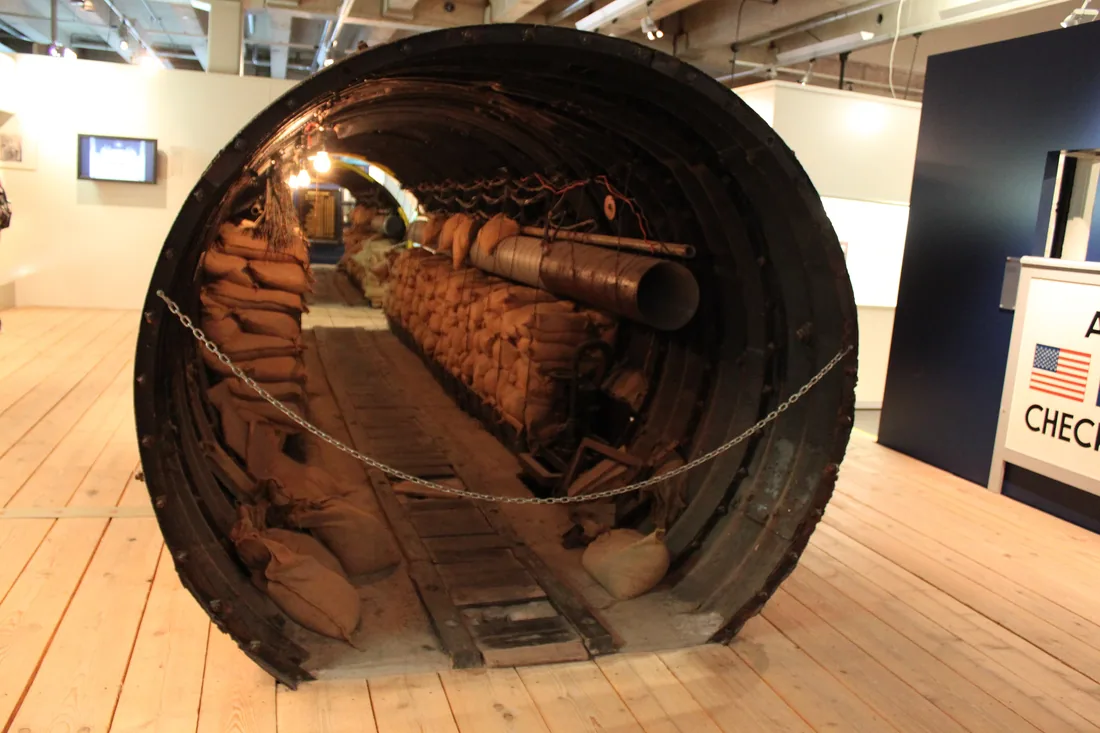 Cold War Berlin1953–56
The KGB knew about the Berlin spy tunnel before it was dug, and let it tap Soviet lines for 11 months, 11 days
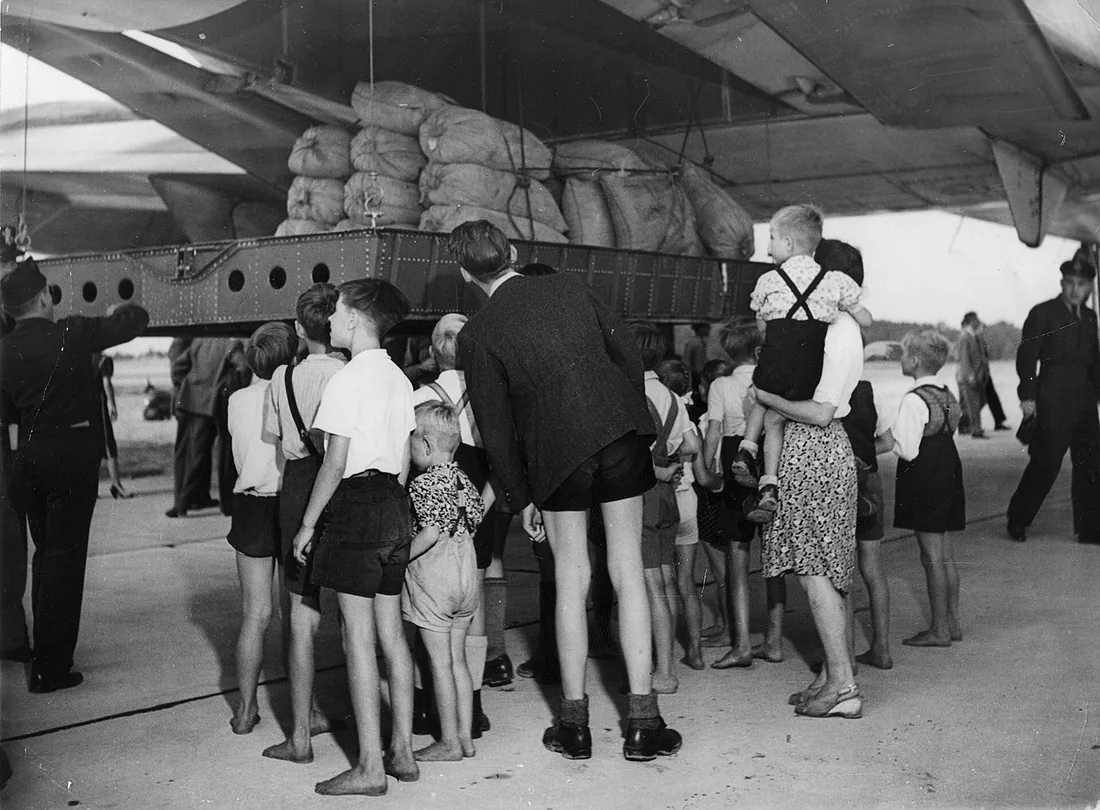 Cold War Berlin1935–1995
Gatow had no hard runway until the RAF laid one. Through it, British aircraft flew in nearly half the food airlifted to West Berlin
 Cold War Berlin1947–1987
For 20 years and 10 months, four armies took turns guarding one Nazi prisoner
 Cold War Berlin1961–1989
The Wall the world photographed was the last of nine barriers
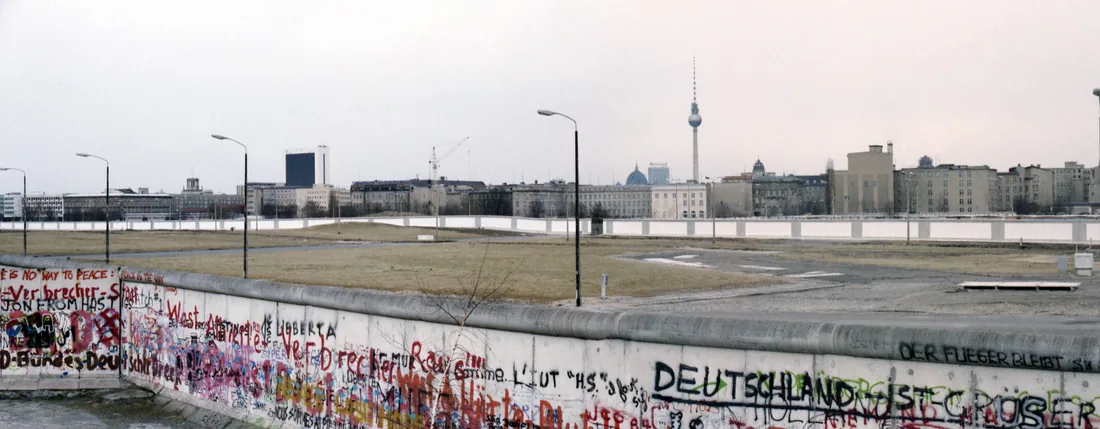 Cold War Berlin1961–1990
East Germany spent 28 years hardening the Berlin Wall. One sentence opened it 4 h 37 min later
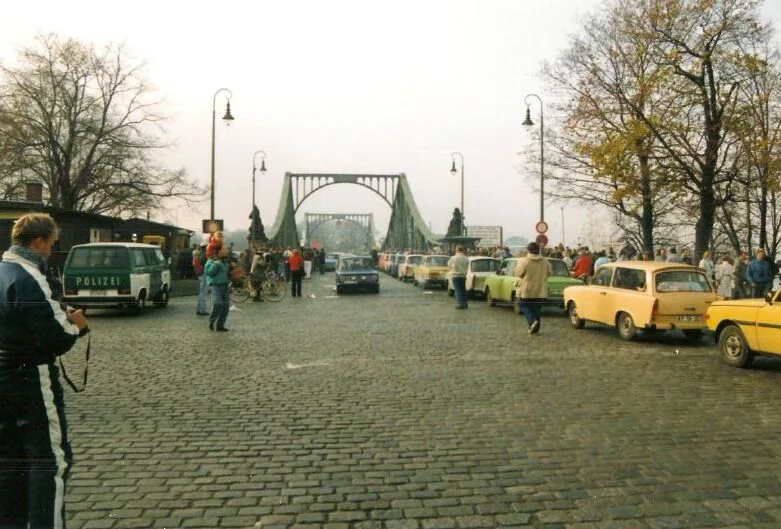 Cold War Berlin1962–1986
Forty-three people crossed this bridge. Thirty of them walked west.
 Cold War Berlin1961–1989
At least 140 people died at the Berlin Wall. 90 of them died in its first decade
 Cold War Berlin1949–1961
Before the Wall went up, 2.7 to 3.5 million East Germans had left
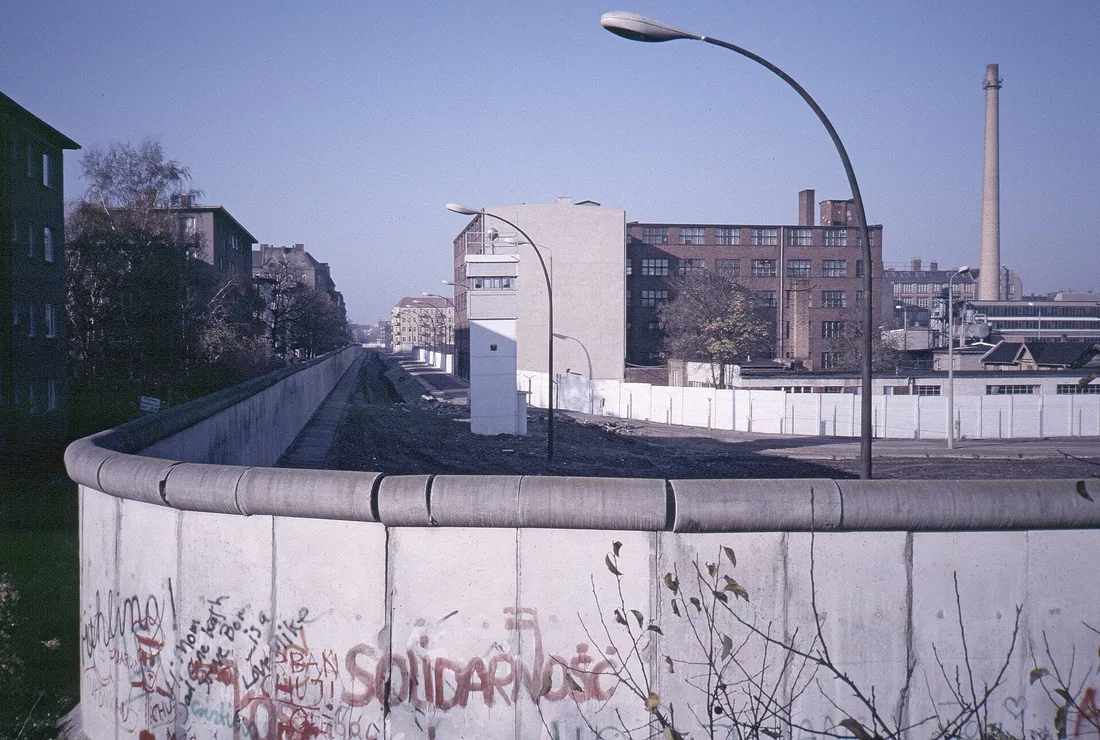 Cold War Berlin1963
At 19, Wolfgang Engels drove a stolen armoured carrier into the Berlin Wall. It stuck, and drinkers from the corner pub pulled him over the top
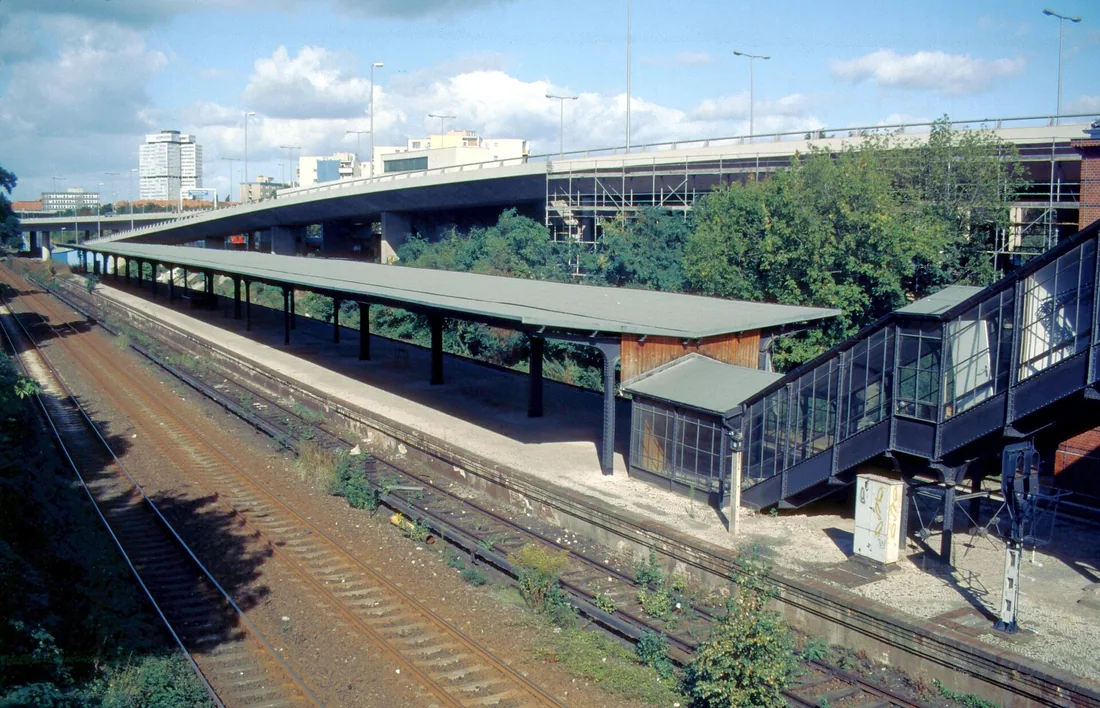 Cold War Berlin1961–1984
Within a fortnight of the Wall, West Berlin stopped riding its own S-Bahn. East Germany ran the near-empty trains for more than twenty-two years
 Cold War Berlin1945–2024
After the Wall, US troop strength in Germany fell 71% in six years
 Cold War Berlin1961–1989
Historians examined 576 deaths at the Berlin Wall. They could prove 140; the youngest was 15 months old
 Cold War Berlin1962
Four years, twenty-one months, six months — all ended on one February morning
The capital of the Third Reich, 1933–45.
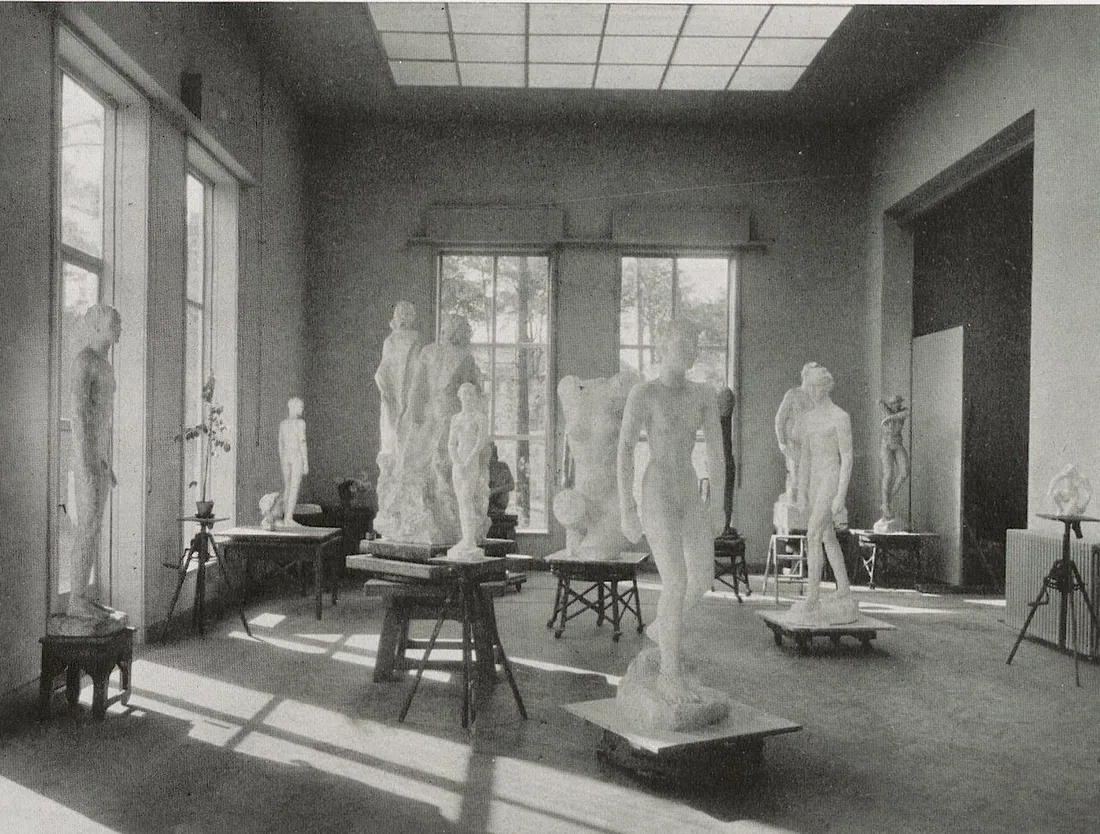 Nazi Berlin1904–2023
3,000 letters came back from Canada. Then the museum in Georg Kolbe’s own studio said he had served the Nazi power elite
 Nazi Berlin1936
3.77 million spectators came to Berlin’s 1936 Games — and were shown a false picture of tolerance
 Nazi Berlin1933
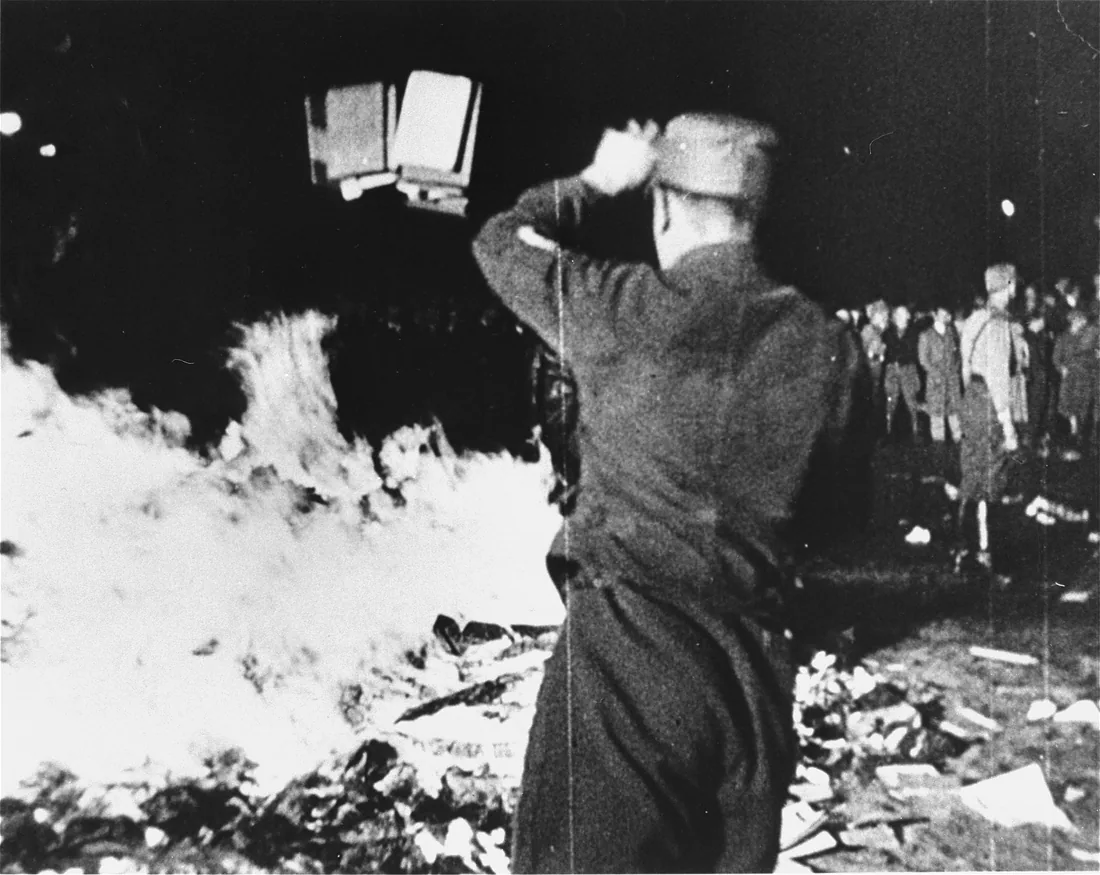
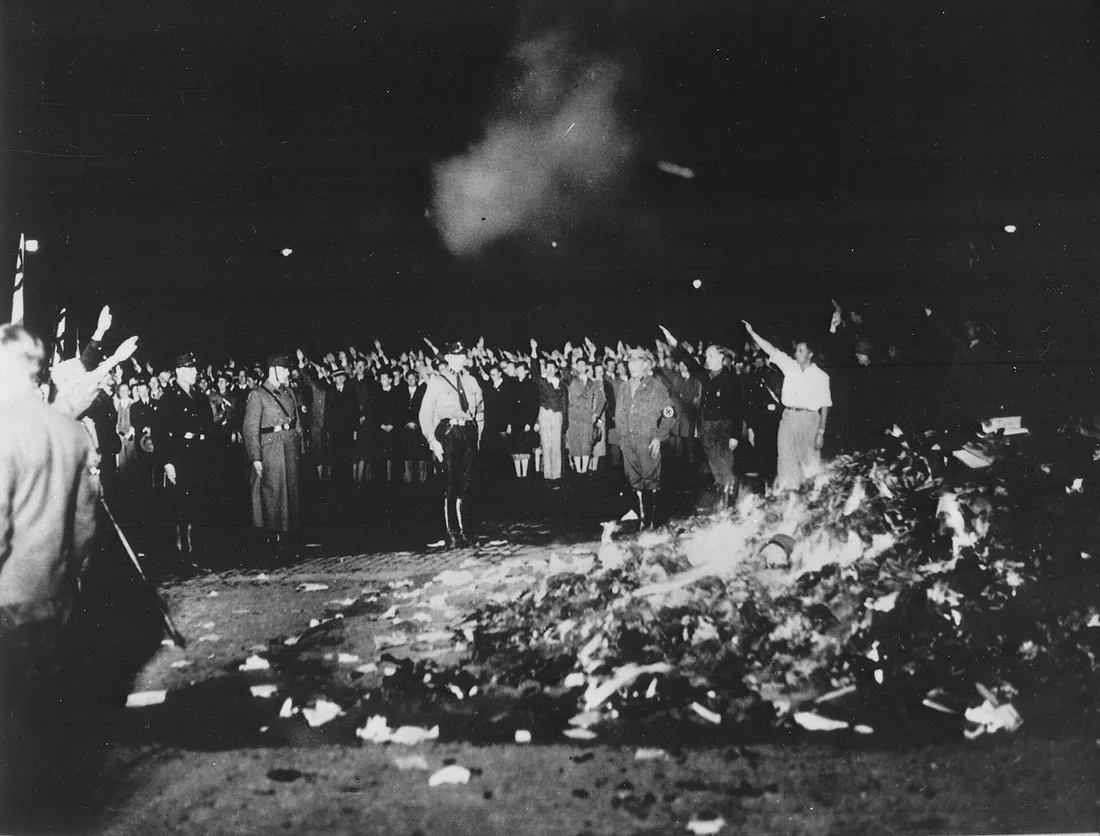
The fire had a script: nine oaths named fifteen writers, and only three were still in Germany
 Nazi Berlin1928–1969
More people died building Hitler’s V-2 than it killed. Its technical director went on to direct the rocket that sent Apollo 11 to the Moon
 Nazi Berlin1937–1943
To clear Berlin for a dome 290 metres high, Speer’s office drove out Jewish Berliners, and counted 75,000 “resettled”
 Nazi Berlin1902–1994
The Nazis’ law against gay men outlived Hitler. West Germany convicted 53,592 men under it in 1950–69
 Nazi Berlin1921–1946
Outnumbered at Every Count, the SS Still Broke the SA
 Nazi Berlin1944–45
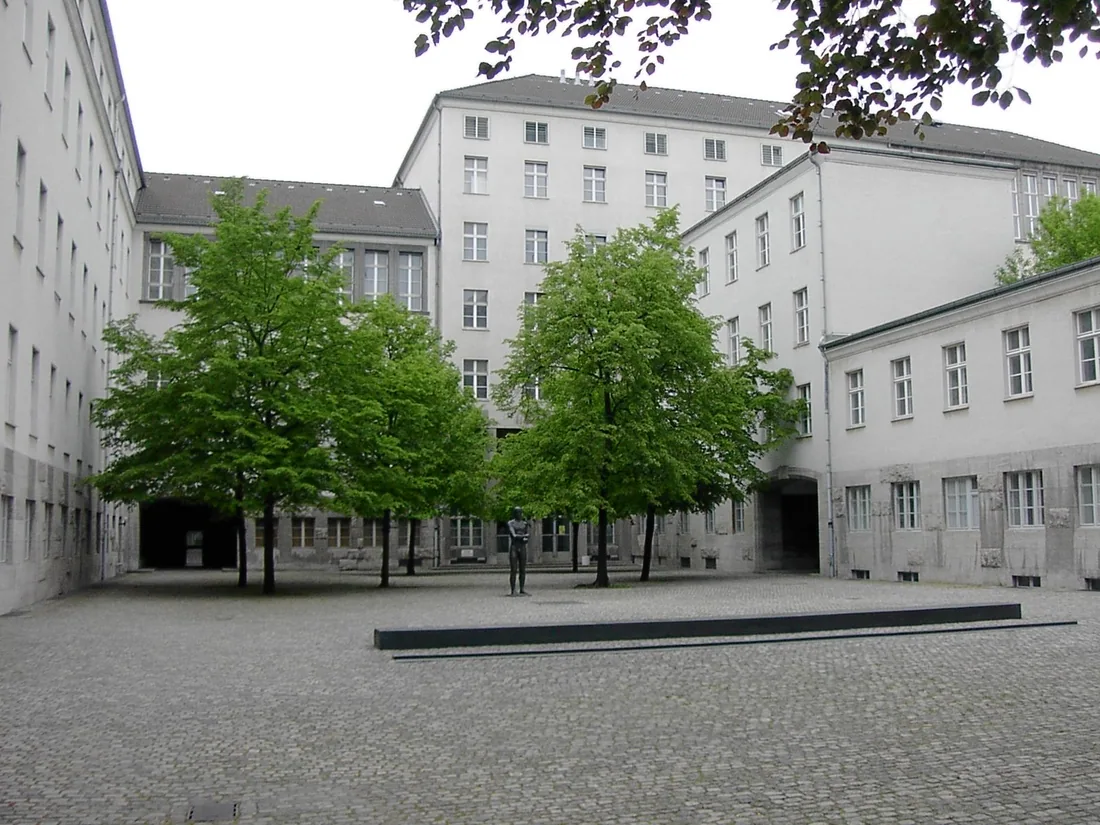
The coup against Hitler was ended by officers inside its own headquarters, an hour before his guard battalion arrived
 Nazi Berlin1938–1959
Berliners burned their own park to survive. Of some 200,000 trees, about 700 were left
 Nazi Berlin1933–1991
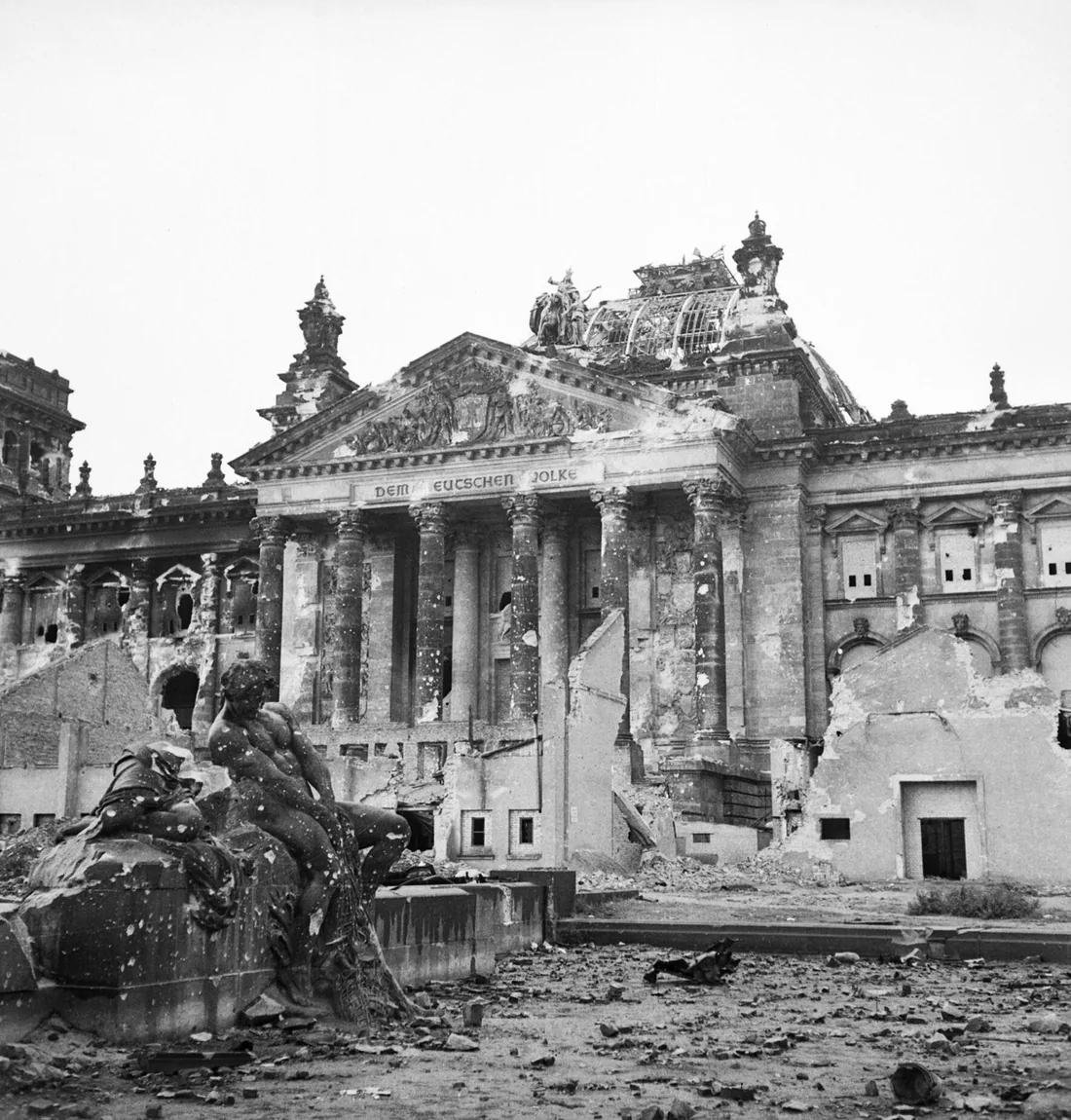
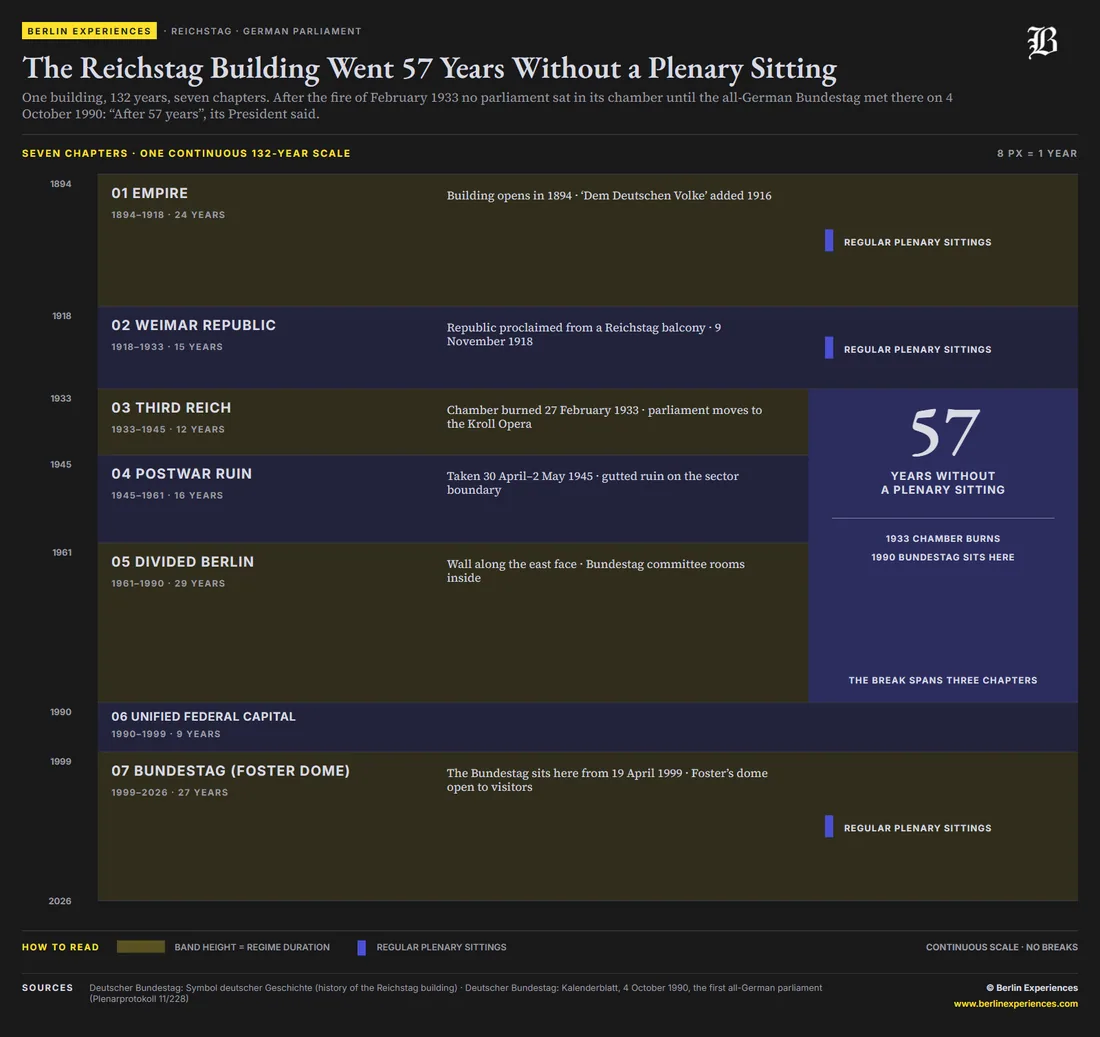
The Reichstag Building Went 57 Years Without a Plenary Sitting
 Nazi Berlin1945
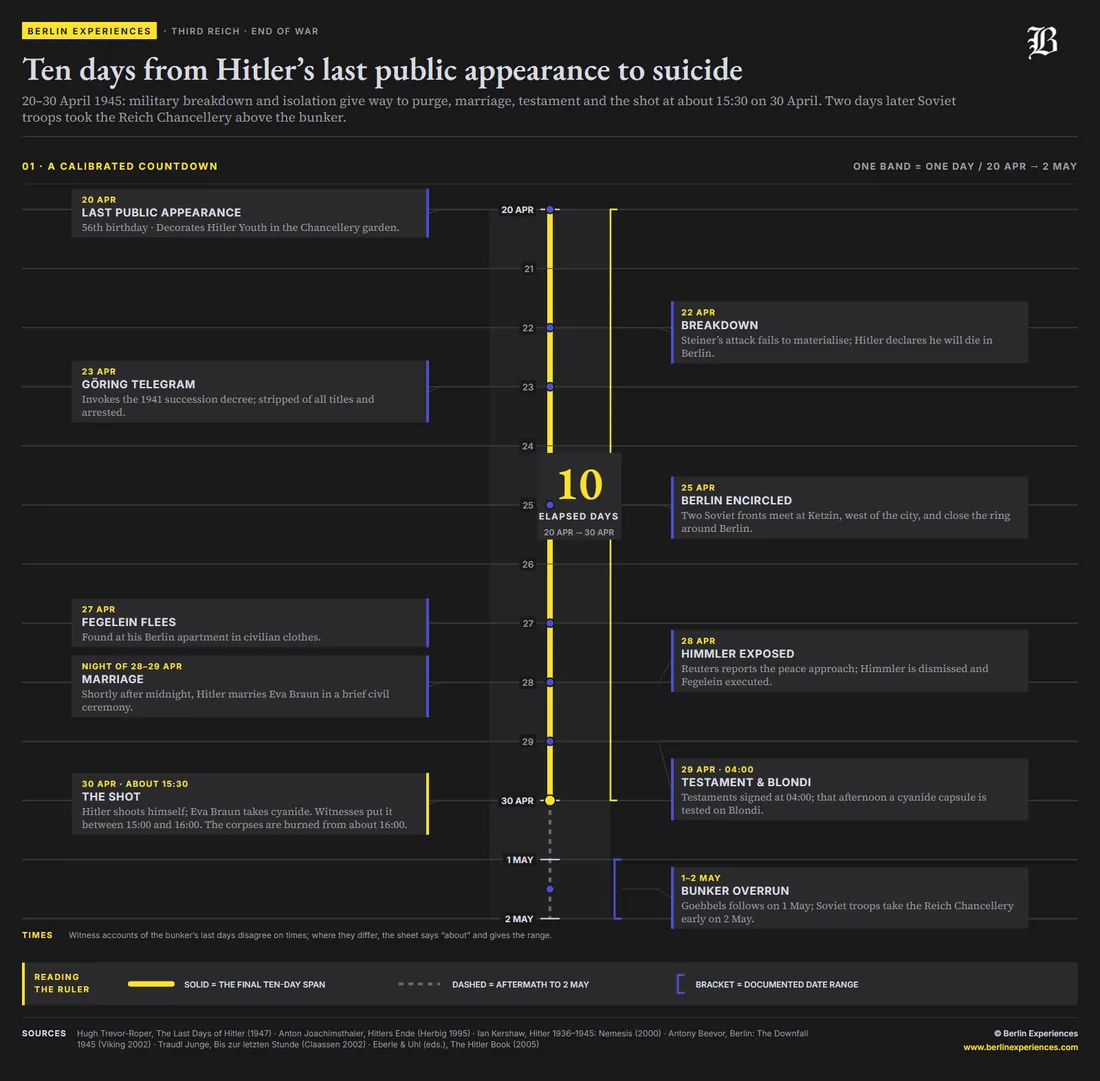
Ten days from Hitler’s last public appearance to suicide
Deportation, murder and memory, 1933–45.
Persecution & the Holocaust1941–45
More than 50,000 Jews were deported from Berlin. About 2,000 came back.
 Persecution & the Holocaust1933–45
Nazi Germany dismissed one in five of its university teachers. Four in five of them were thrown out on antisemitic grounds.
 Persecution & the Holocaust1941–45
By one historian’s reckoning, the ones who planned it lived at three times the rate of the ones who ran
Democracy, culture and crisis, 1918–33.
Weimar Berlin1920–1933
Berlin’s Social Democrats and Communists outvoted the Nazis at every Weimar election. They never once voted together
 Weimar Berlin1919–1945
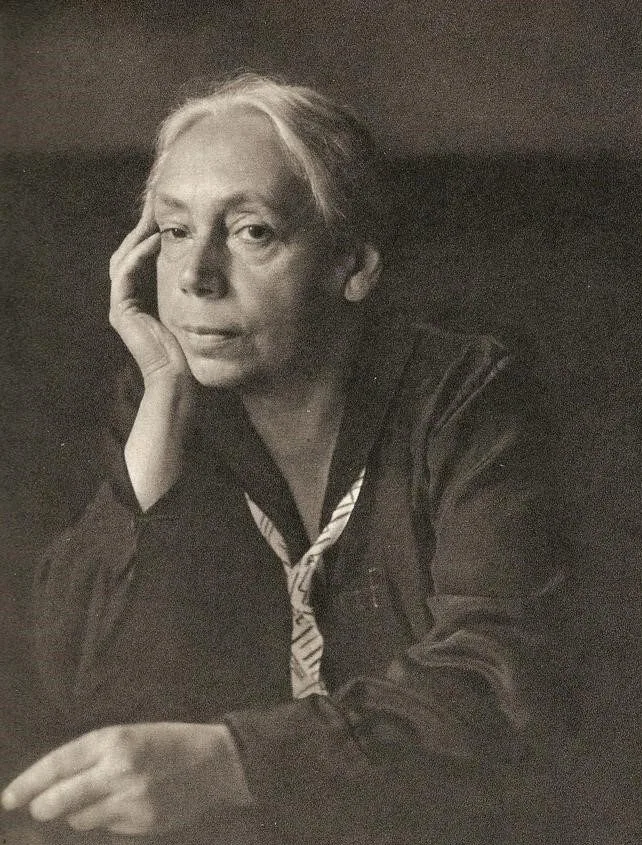
In 1919 the Prussian Academy of Arts took its first woman member since 1833. In 1933 the Nazis forced her out
 Weimar Berlin1929–1938
Convicted for printing military secrets the Reichstag had partly heard already. The conviction still stands.
 Weimar Berlin1926–2017
Marlene Dietrich became famous at this cinema in one night. Five years later, an antisemitic riot began at its door
Royal and imperial Berlin, and the painters who drew it.
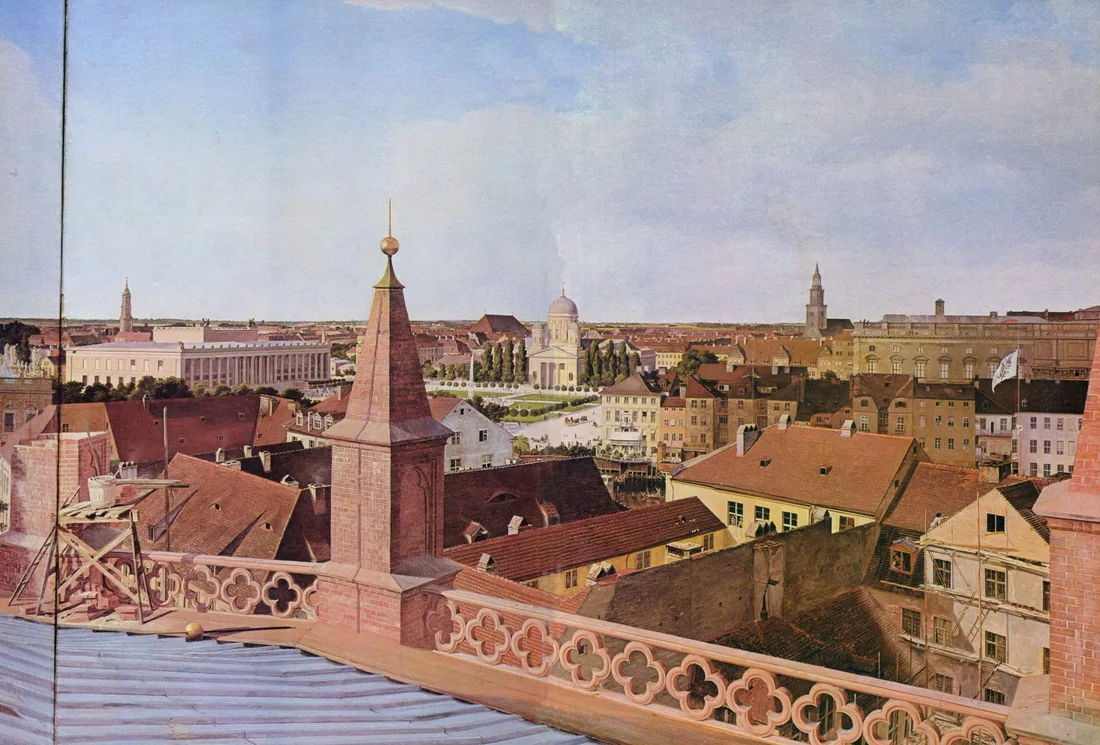 Prussia & the Kaiserreich1834
In 1834 Eduard Gaertner painted Berlin all the way round from a church roof. The palace, the cathedral and the Bauakademie in it are gone.
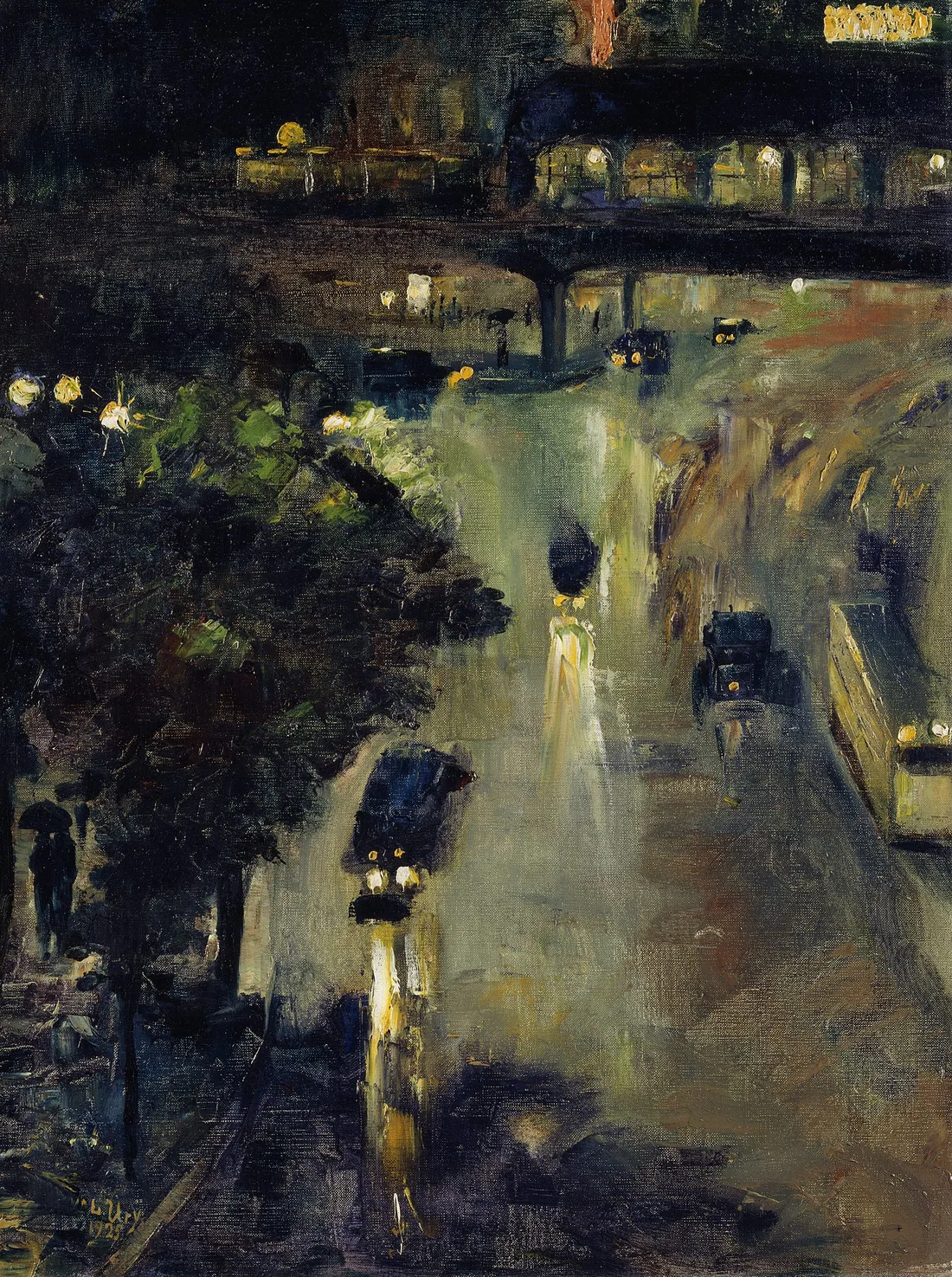 Prussia & the Kaiserreich1887–1931
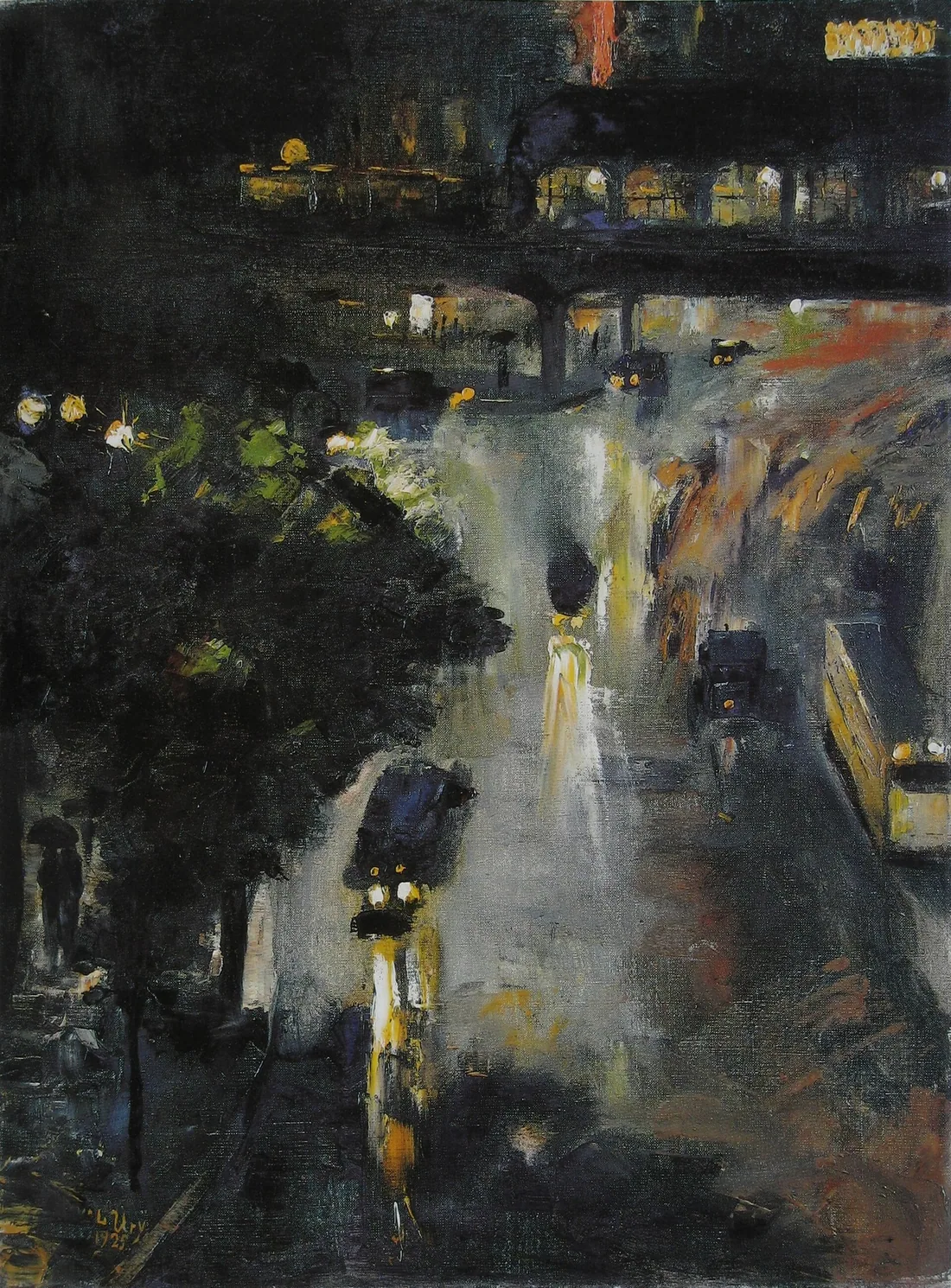
Berlin thought Lesser Ury’s night streets “crazy”. He died 20 days before the Nationalgalerie’s show of 158 of his pictures
 Prussia & the Kaiserreich1711–1915
Anton von Werner painted a war minister who was off sick into the German Empire’s founding picture
 Prussia & the Kaiserreich1896
Berlin’s 1896 exhibition drew 7.4 million visitors — 14,000 a day short of the number it was built for
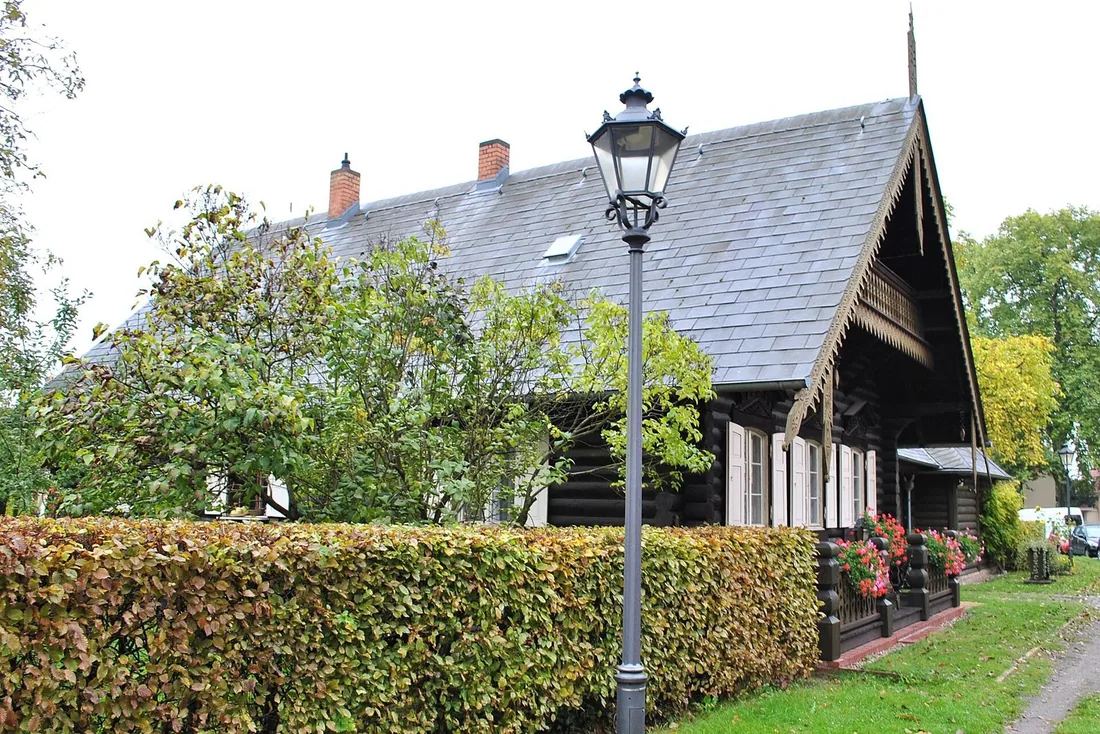 Prussia & the Kaiserreich1812–2013
A Prussian king built a Russian village for the last twelve singers of his choir. In 2013, three of its thirteen log houses were still home to their descendants
 Prussia & the Kaiserreich1881–1930
Berlin turned Siemens down. So the world’s first public electric tramway ran in Lichterfelde
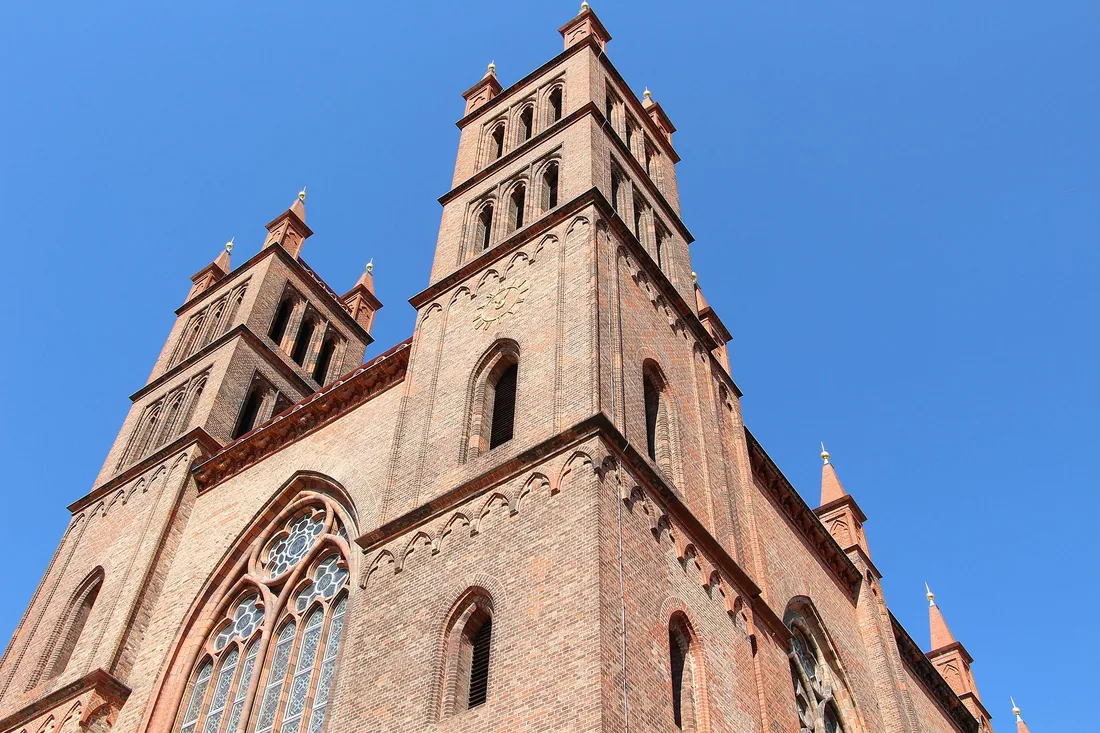 Prussia & the Kaiserreich1824–2026
Schinkel’s brick church has been shut for 49 of its 195 years
 Prussia & the Kaiserreich1613–1817
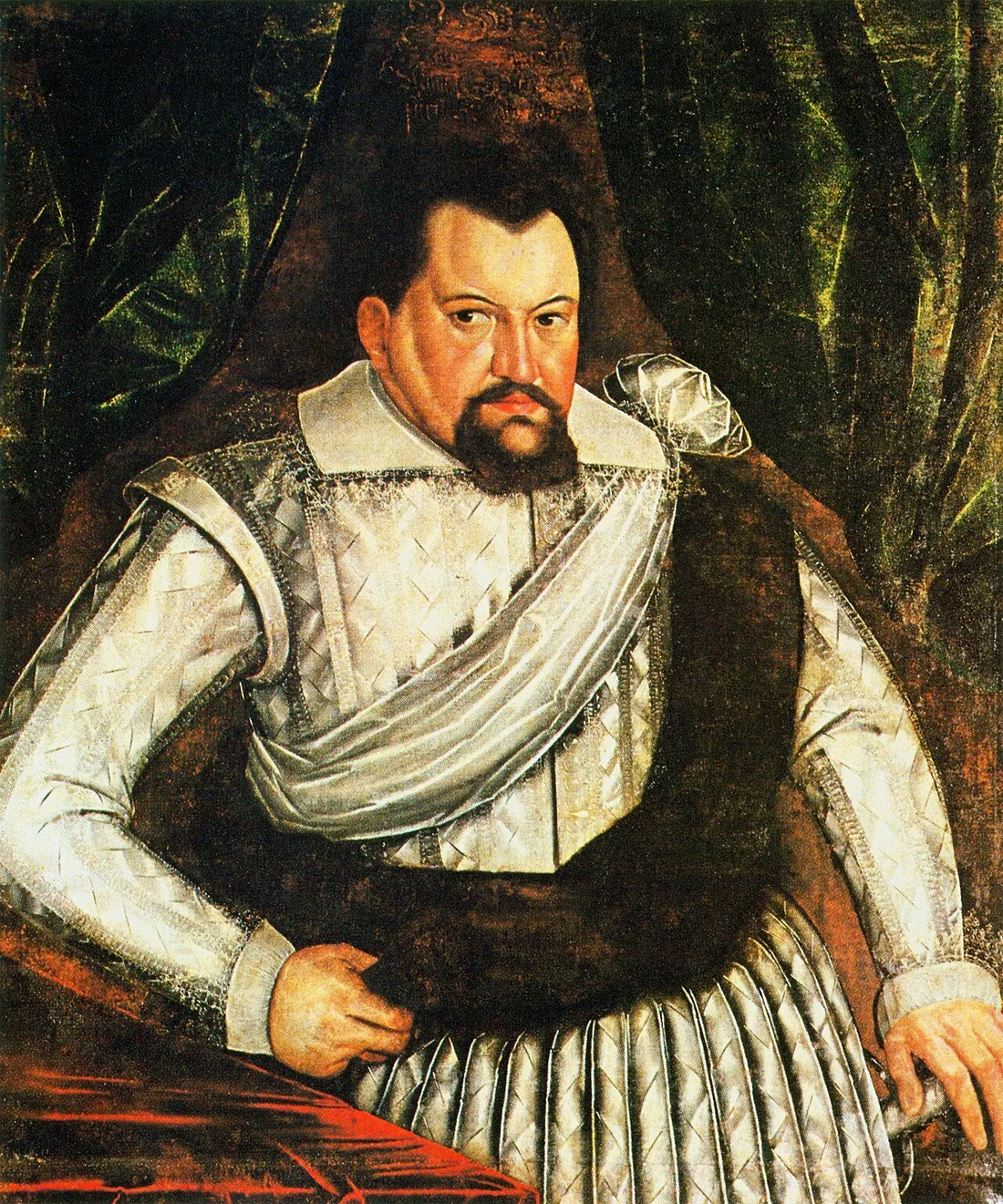
A Reformed dynasty ruled Lutheran Brandenburg for 204 years
 Prussia & the Kaiserreich1845–1878
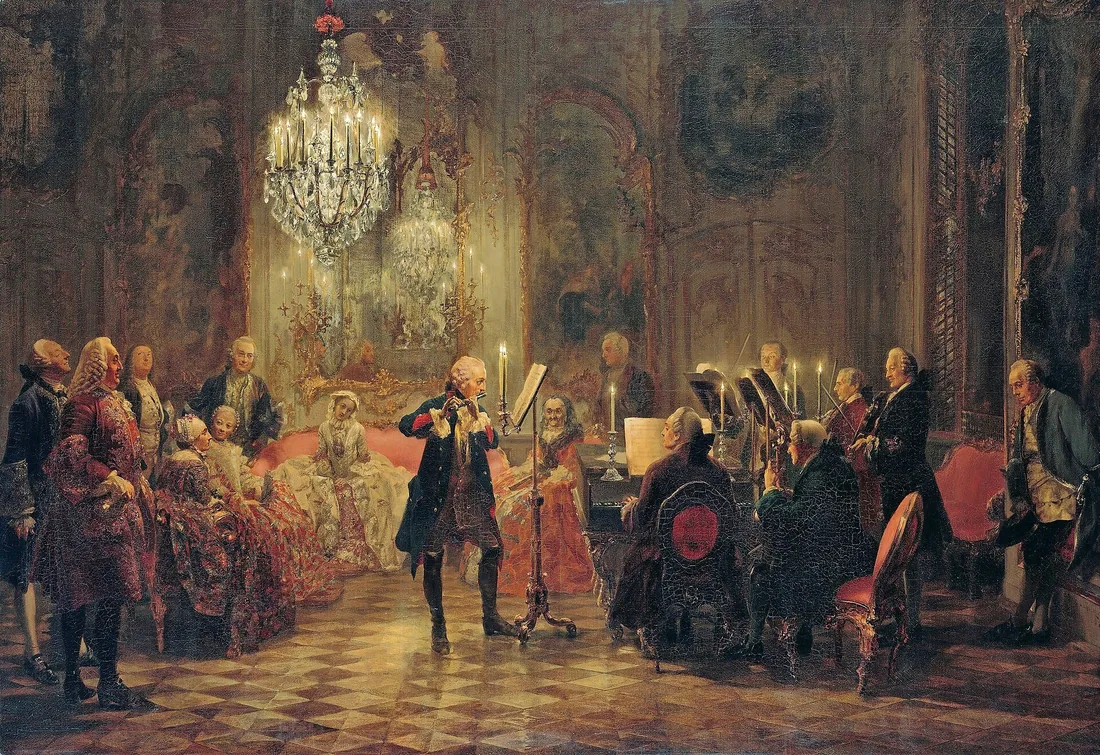
Prussia loved Menzel’s Frederick the Great. Menzel said the king in it “stands there like a shop clerk”
 Prussia & the Kaiserreich1685–1809
By 1700, roughly one Berliner in five was a French refugee
 Prussia & the Kaiserreich1871–2024
Eighty-five years on, Berlin still has 653,000 fewer people than in 1939
 Prussia & the Kaiserreich1733–1771
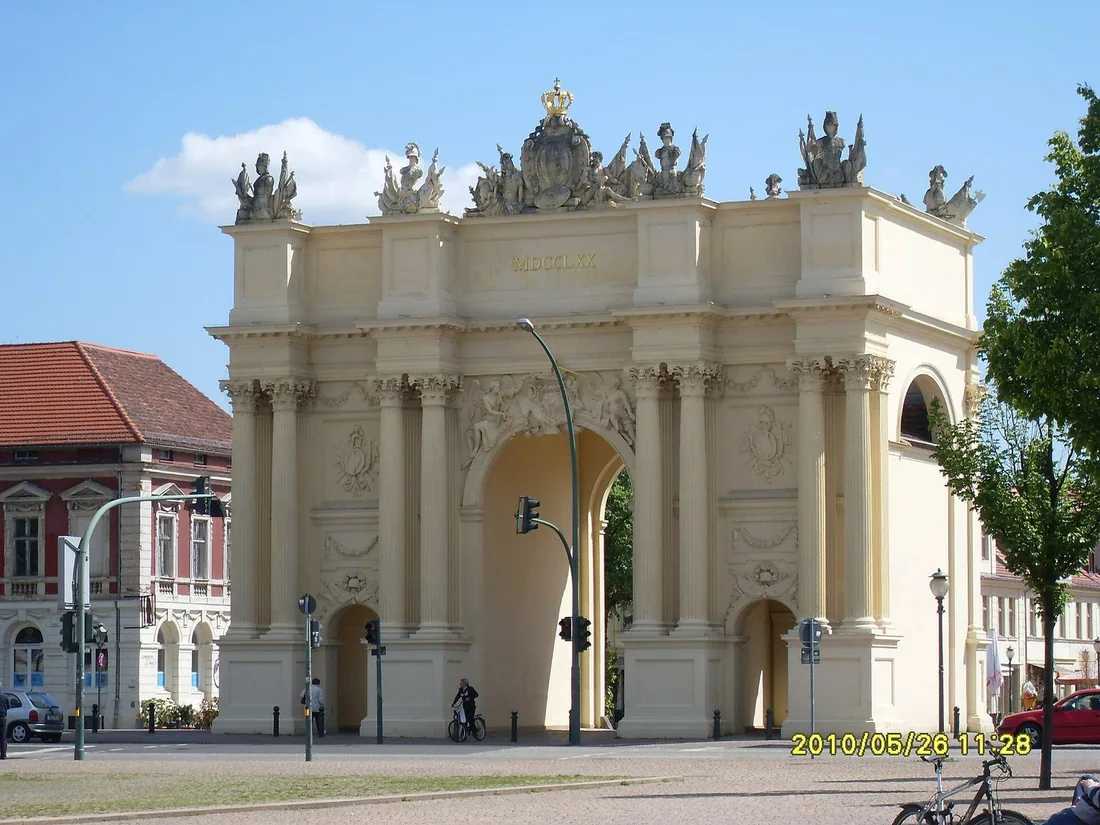
Potsdam’s three surviving gates span 37 years — its Brandenburg Gate came eighteen years before Berlin’s
 Prussia & the Kaiserreich1701–1918
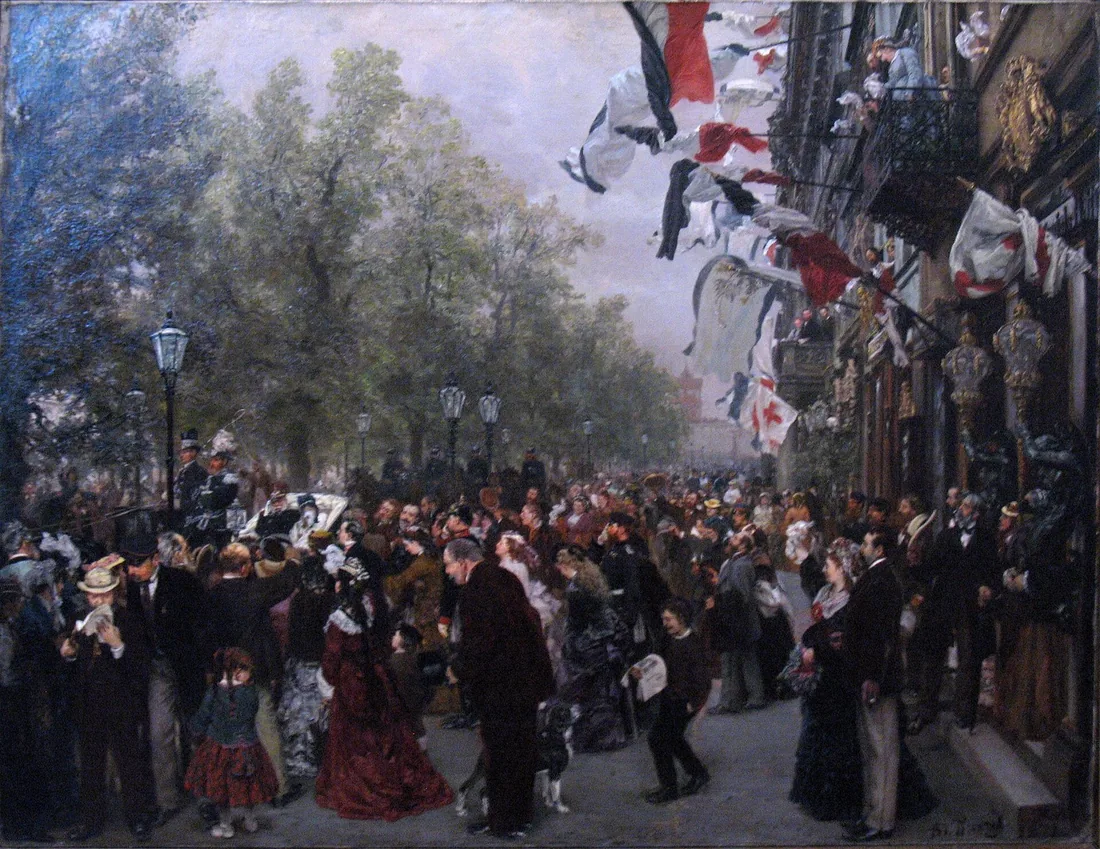
Nine Hohenzollerns ruled Prussia for 217 years. In 1888, three of them wore the crown within 99 days.
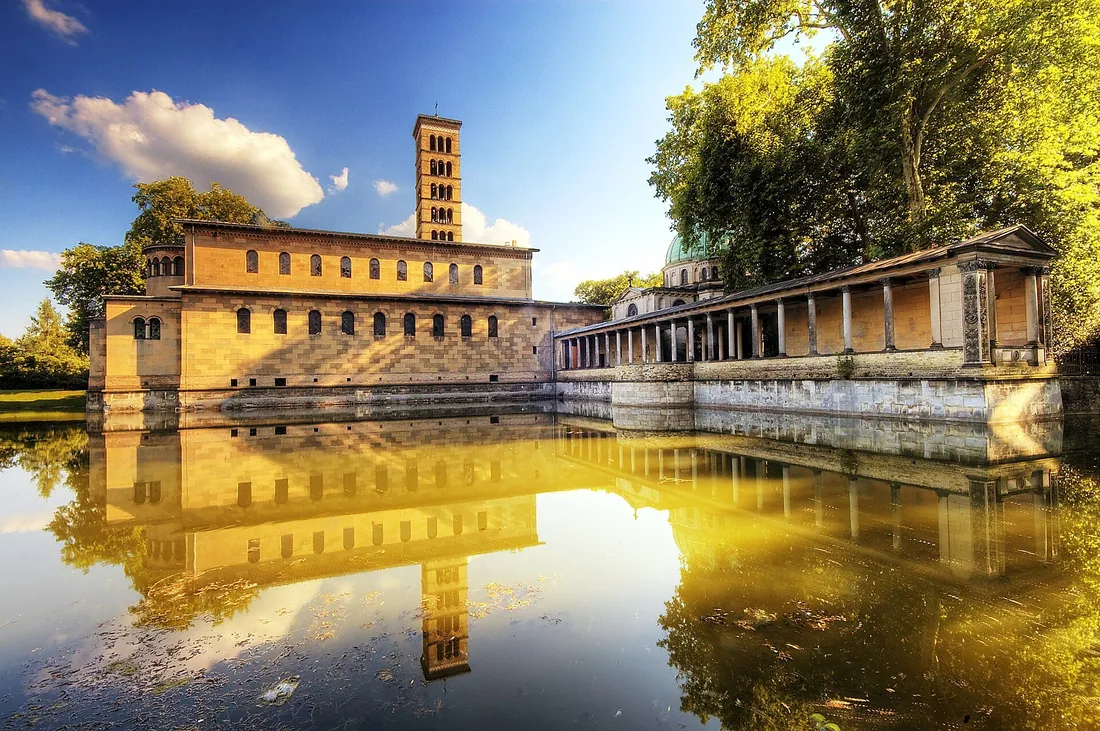 Prussia & the Kaiserreich1840–1861
The king’s 21-year building programme changed hands twice in five years
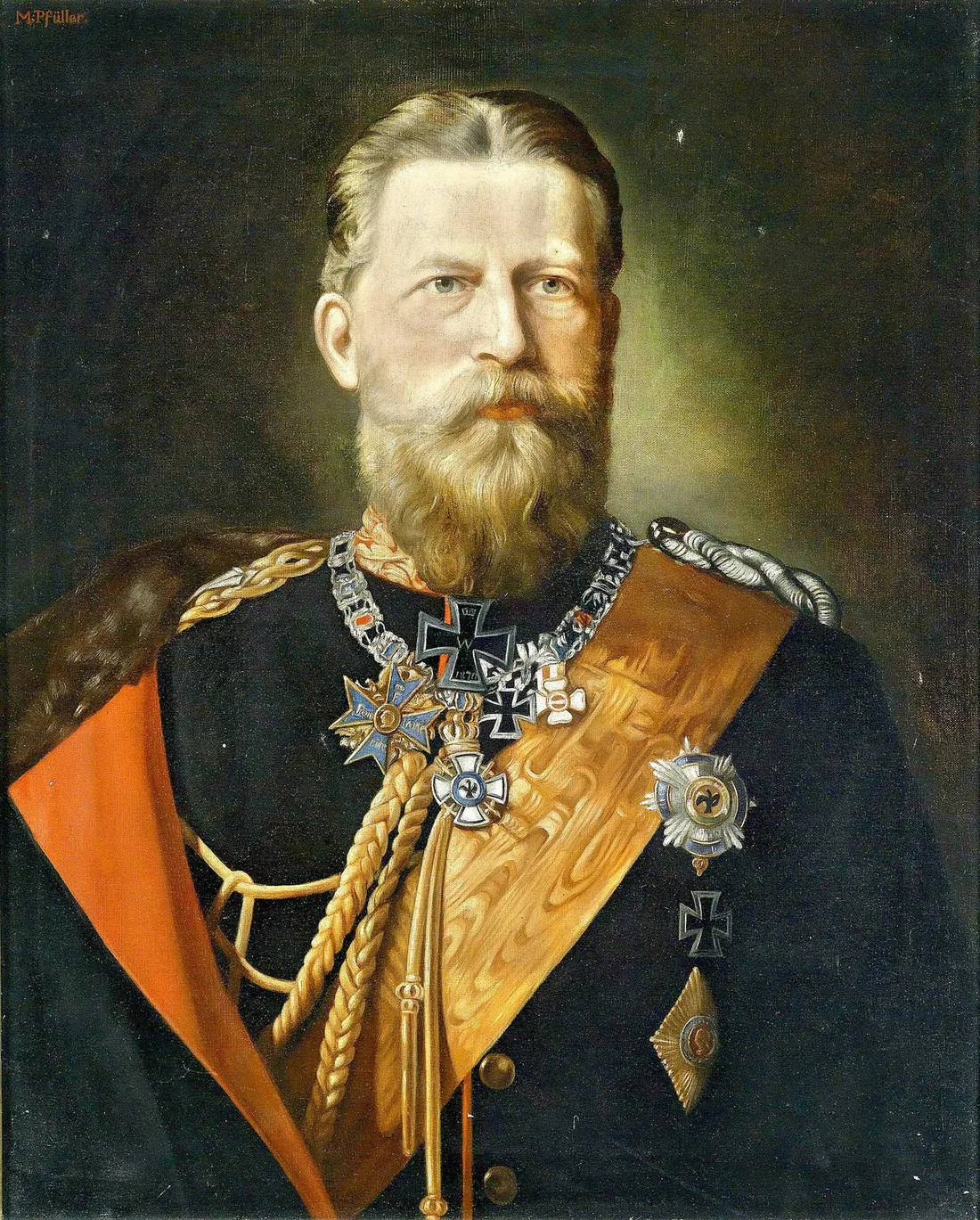 Prussia & the Kaiserreich1831–1888
He waited 27 years to be emperor. He reigned for 99 days — and could not speak
 Prussia & the Kaiserreich1848
Over 900 barricades forced the King of Prussia to pull his army back
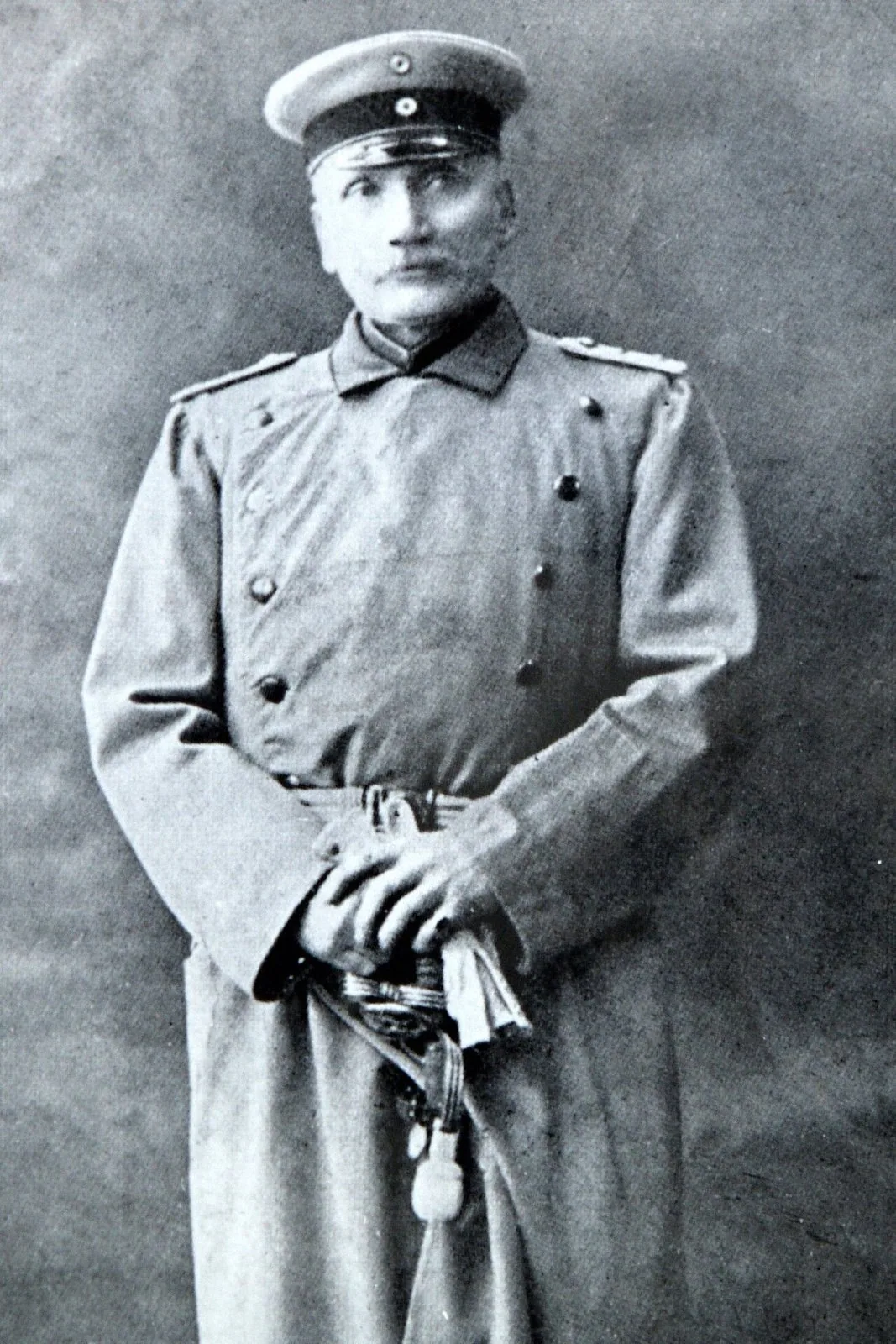 Prussia & the Kaiserreich1906
An ex-convict shoemaker bought a captain’s uniform piece by piece and took over a town hall with real soldiers
 Prussia & the Kaiserreichlate 16th – early 20th century
Under the Berliner Dom lie 91 Hohenzollern burials. Frederick the Great’s queen is one of them. Frederick is not.
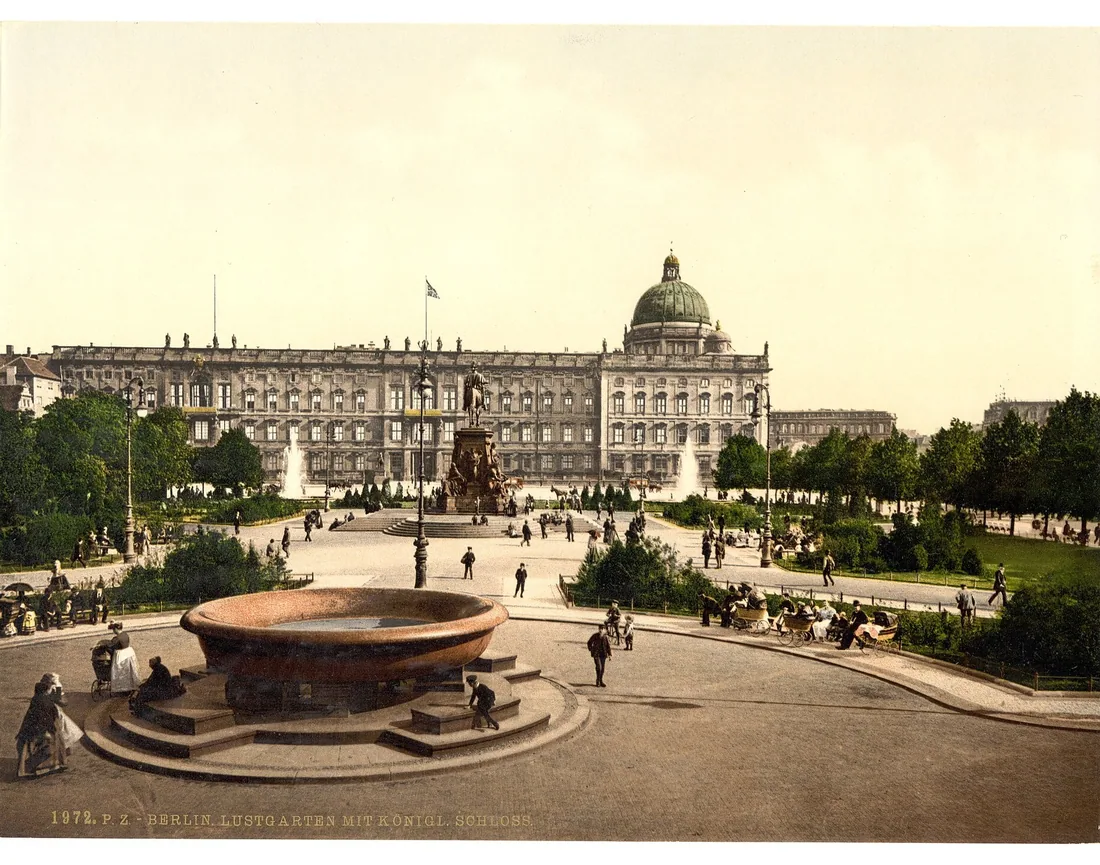 Prussia & the Kaiserreich1417–1918
Twenty Hohenzollerns ruled for 501 years. They began as electors of Brandenburg and ended as German emperors.
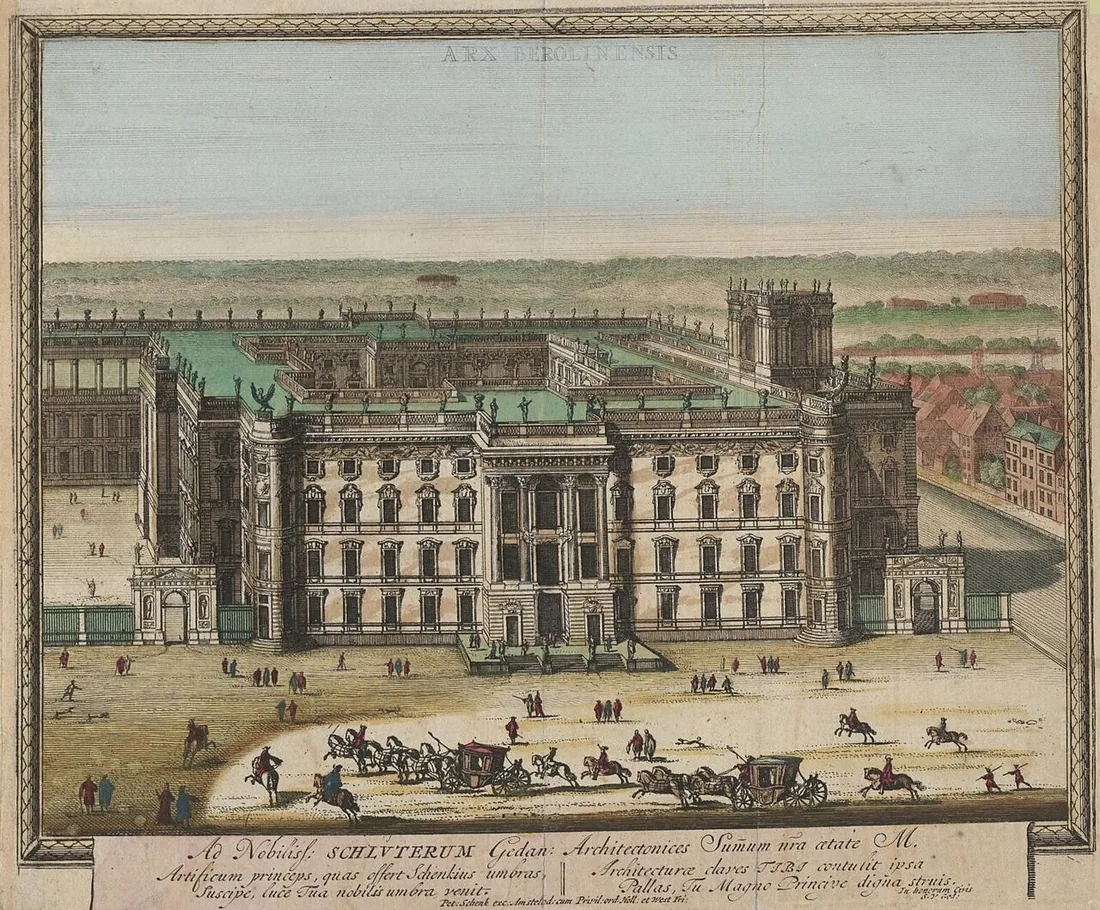 Prussia & the Kaiserreich1415–1918
One family ruled Brandenburg for 503 years. It ended with an abdication announced without the Kaiser’s consent.
 Prussia & the Kaiserreich1746–1886
Fifteen of Friedrich II’s potato orders survive. The first, in 1746, was a measure against famine
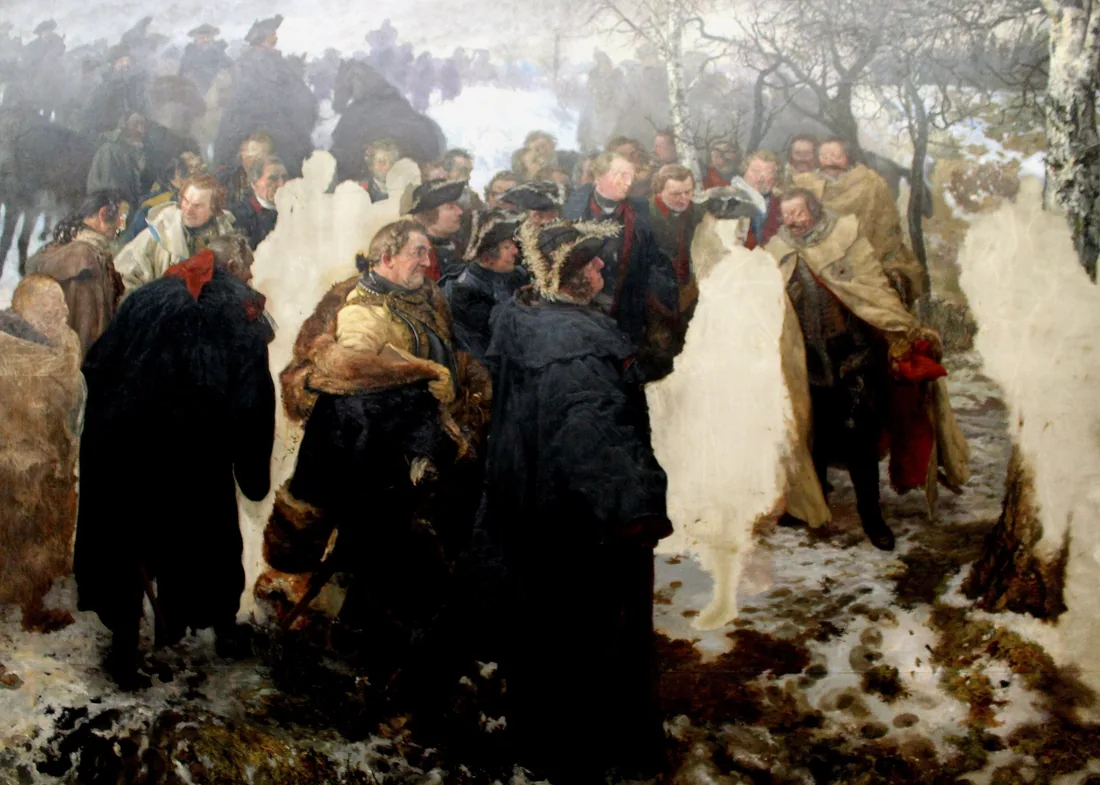 Prussia & the Kaiserreich1756–1763
After 1,955 days of war, a death — not a battle — saved Prussia
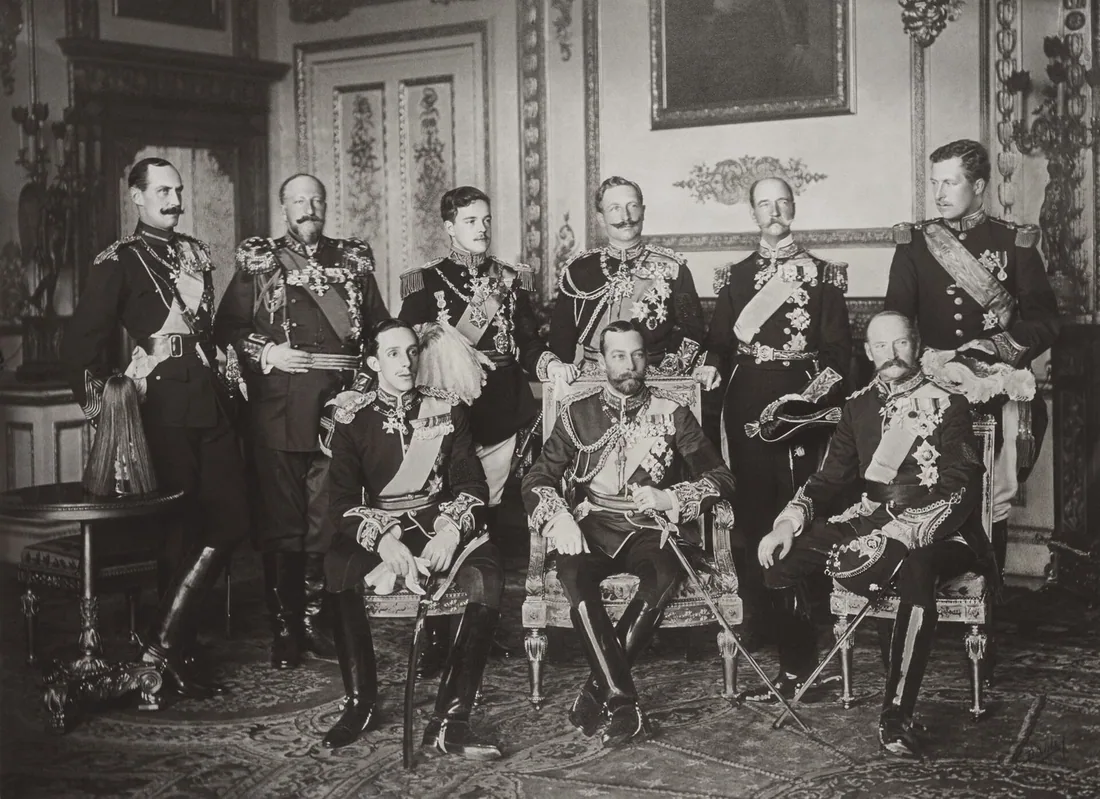 Prussia & the Kaiserreich1859–1941
Fourteen members of one family sat on or beside nine European thrones in 1914. The kinship set none of the sides.
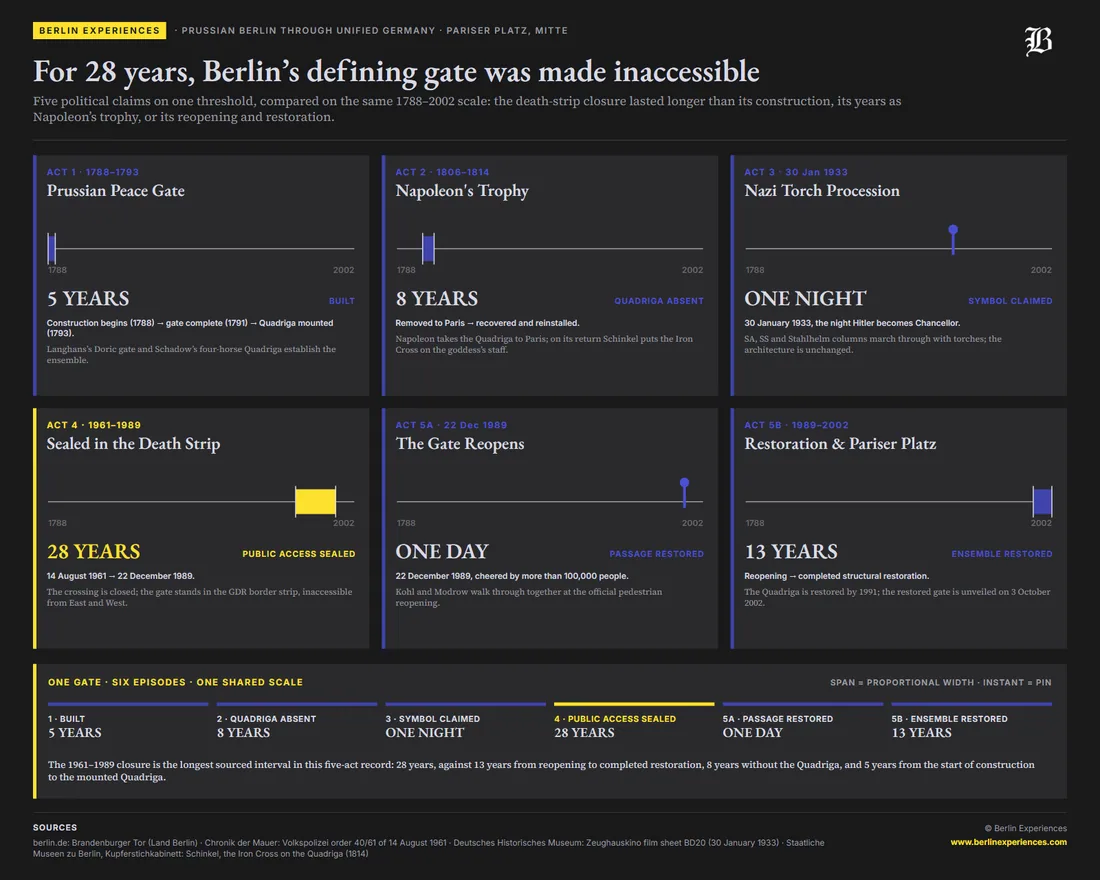 Prussia & the Kaiserreich1788–2002
For 28 years, Berlin’s defining gate was made inaccessible
How Berlin was planned, built, bombed and rebuilt.
Architecture & the built city1899–1930
Alfred Grenander designed 61 Berlin U-Bahn stations. Fifty-nine are still in service.
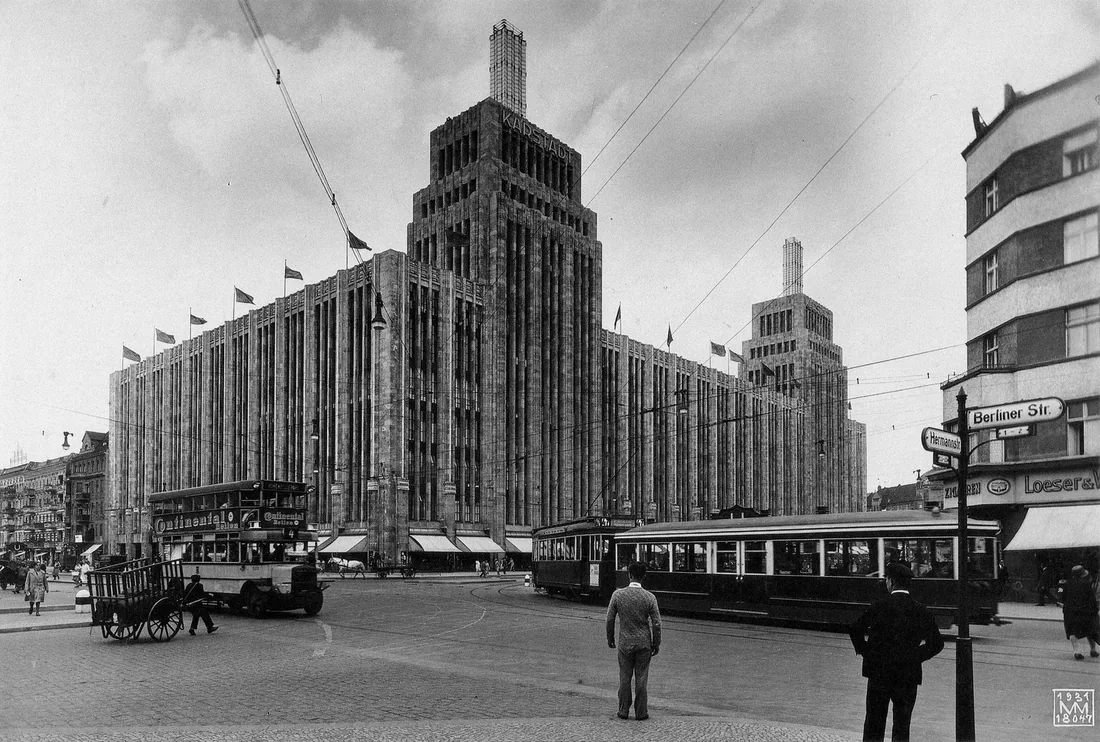 Architecture & the built city1927–2024
The plan to rebuild Europe’s largest department store put 80 % more floor on the block — and less than a fifth of it selling floor
 Architecture & the built city1991–2003
Berlin’s Chancellery is not eight White Houses. It is 10.2 — or 0.94
 Architecture & the built city1874–1908
Berlin built itself a Middle Ages
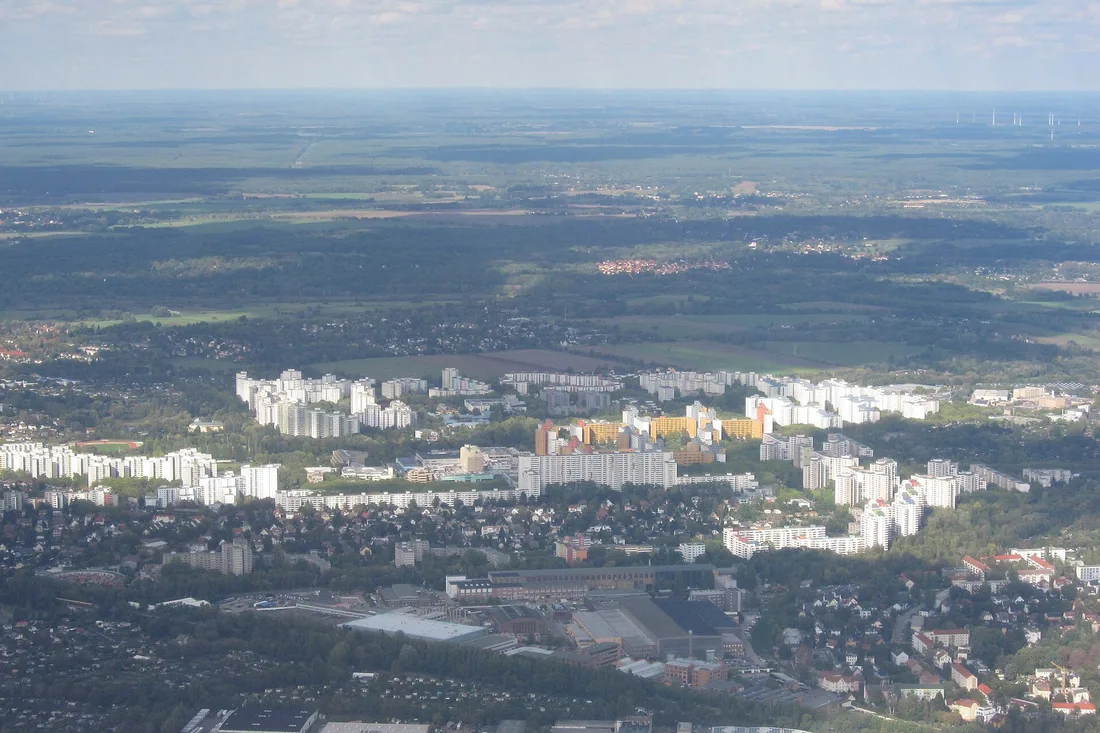 Architecture & the built city1963–1974
West Berlin built a good 17,000 flats here — and left five sixths of the ground open
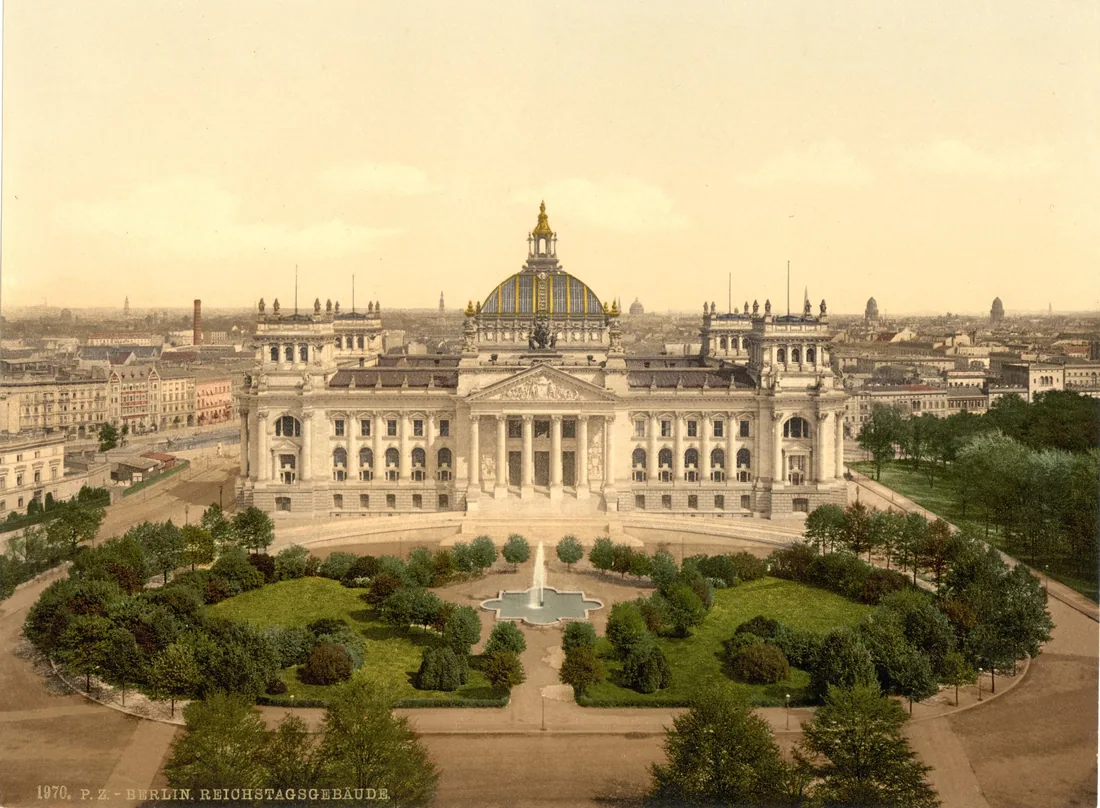 Architecture & the built city1882–1999
Wallot won the Reichstag with a dome that could not be built
 Architecture & the built city1866–1912
Hobrecht cut Berlin into twelve drainage systems. Not one of them sent its sewage across the Spree
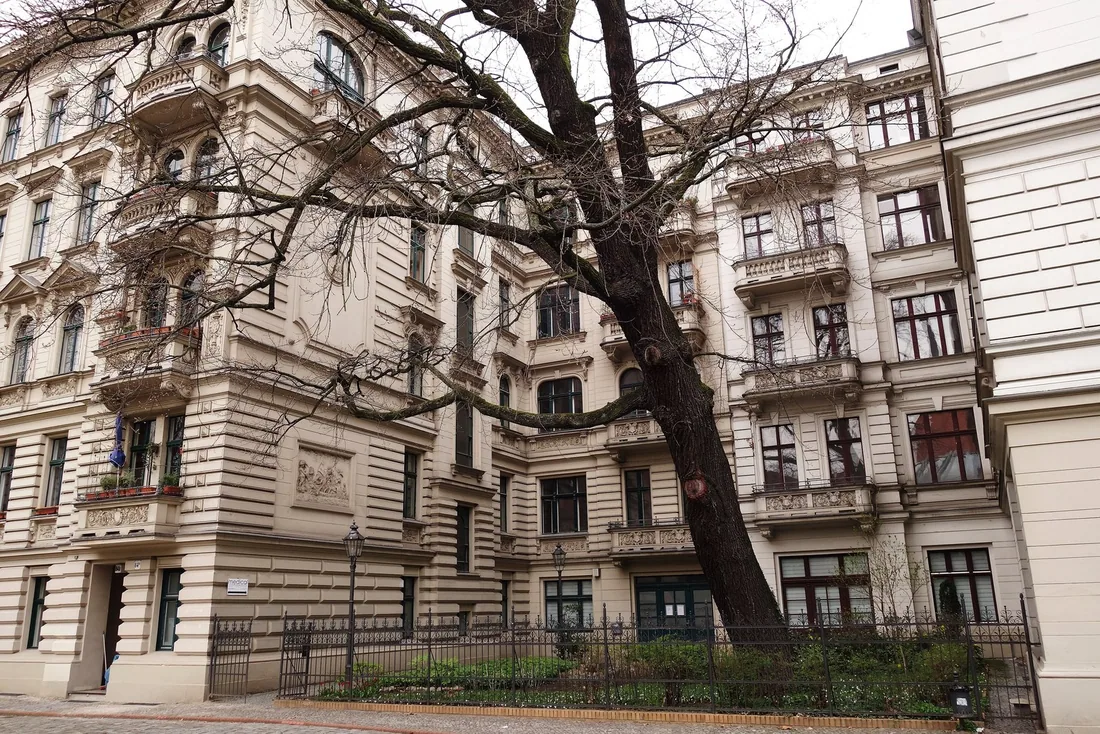 Architecture & the built city1880–1899
Berlin’s building law required one yard 5.34 metres square. Riehmer built two private streets instead.
 Architecture & the built city1709–2001
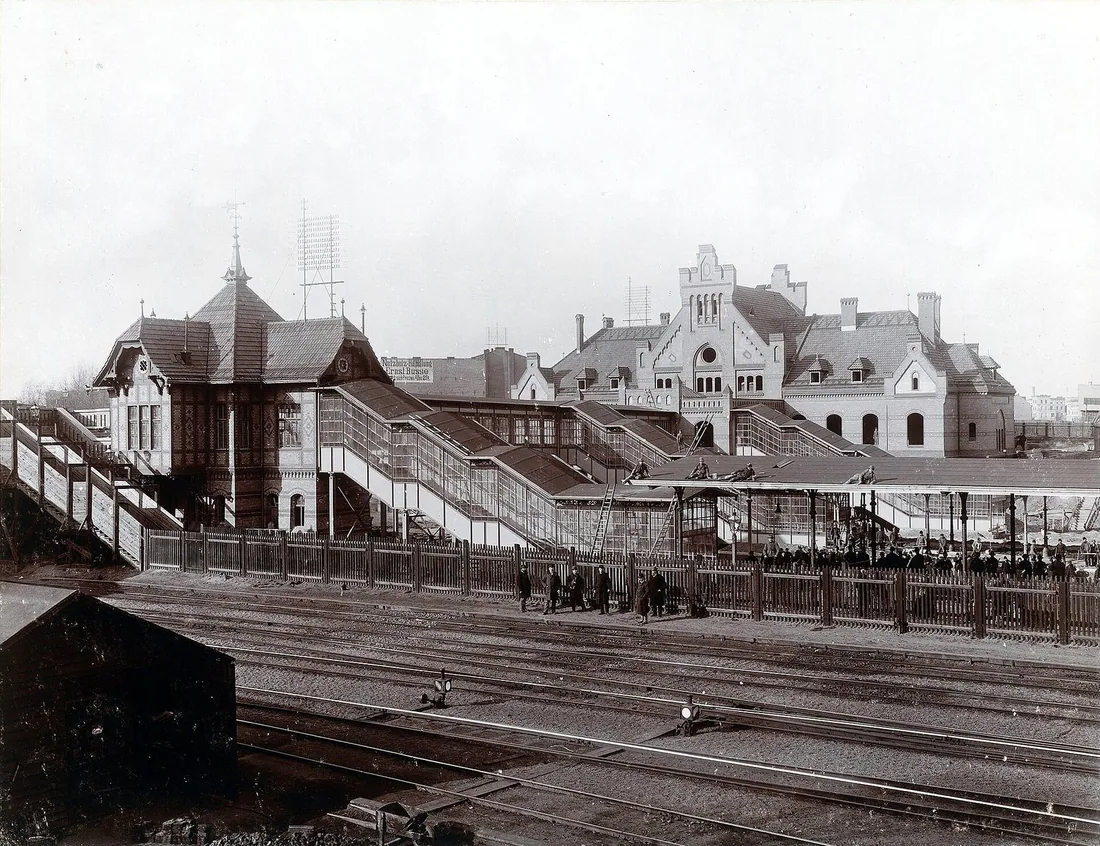
Wedding and Gesundbrunnen held 356 people in 1817 and 240,662 in 1910. The same ground, 676 times over
 Architecture & the built city1894–1999
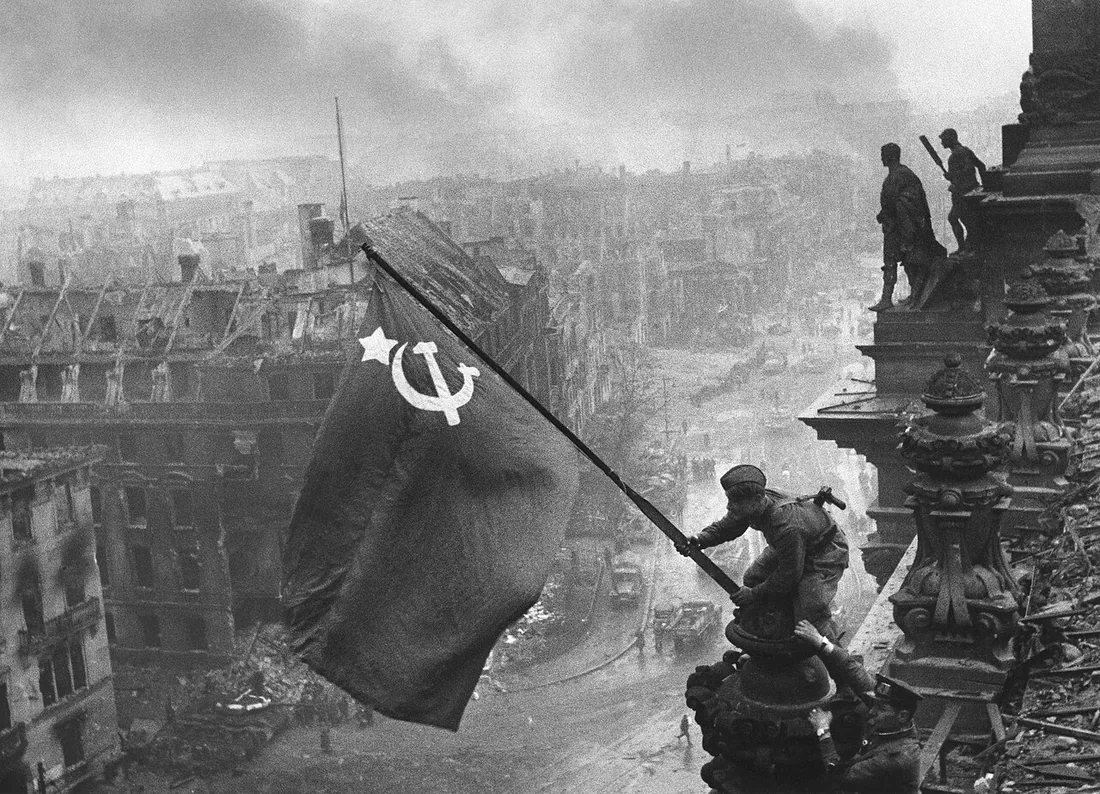
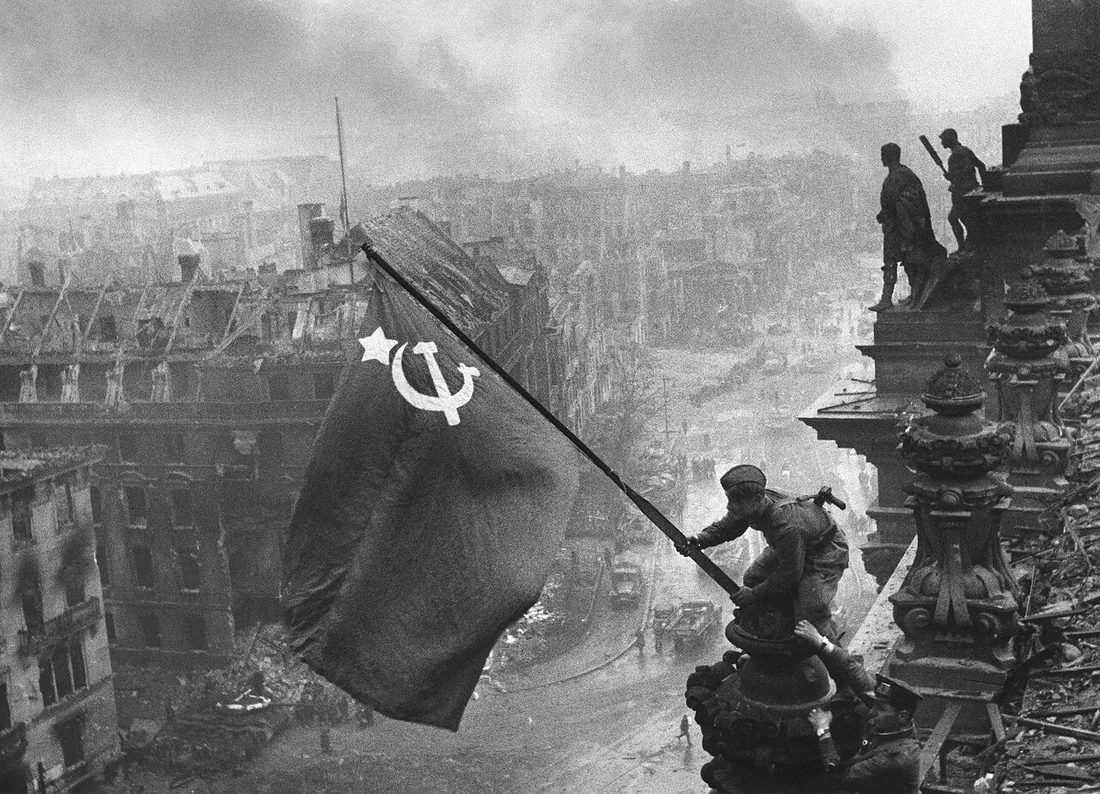
Fifty years after a Soviet banner flew from its roof, the Reichstag vanished under fabric. Four years later, parliament moved in beneath glass
The people and institutions that made Berlin.
Culture, science & society1930–2026
Berlin eats an estimated 70 million currywurst a year — and cannot prove it invented them
Culture, science & society1825–2026
Café Kranzler opened in the west in 1932, not in 1945
 Culture, science & society1874–1939
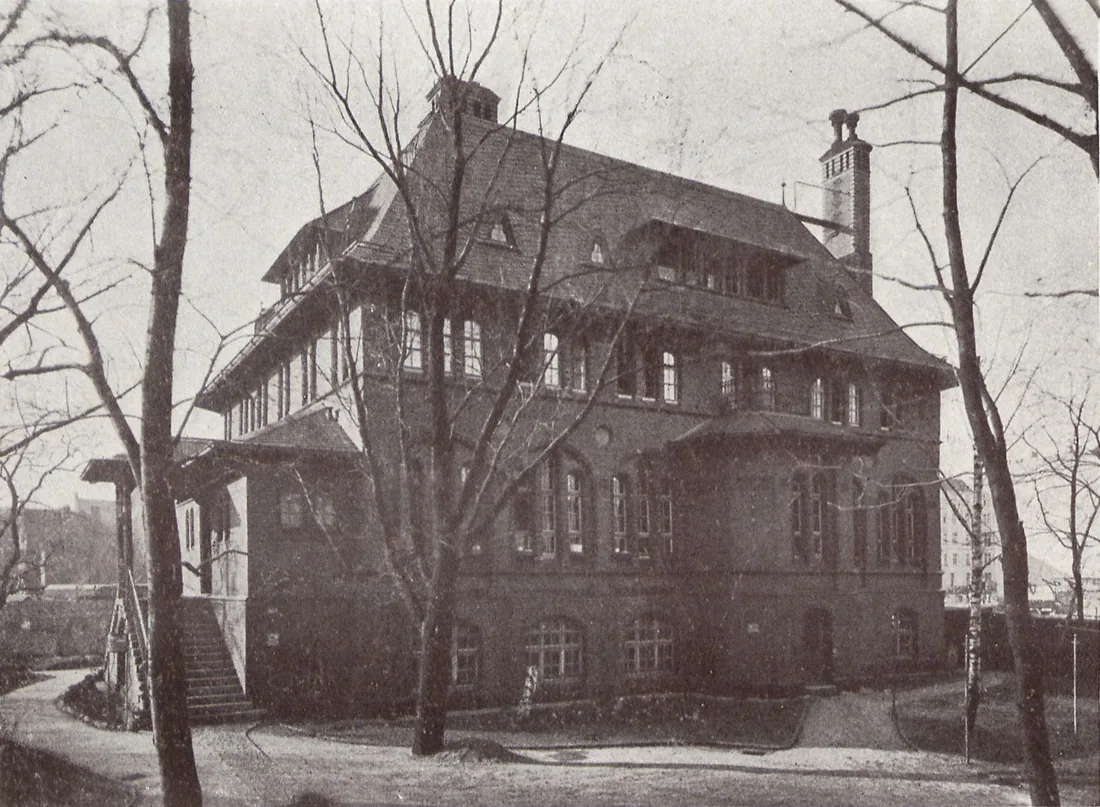
Kept out of Prussia’s universities and out of politics, five Berlin women built their own institutions. Two are still open.
 Culture, science & society1949–2025
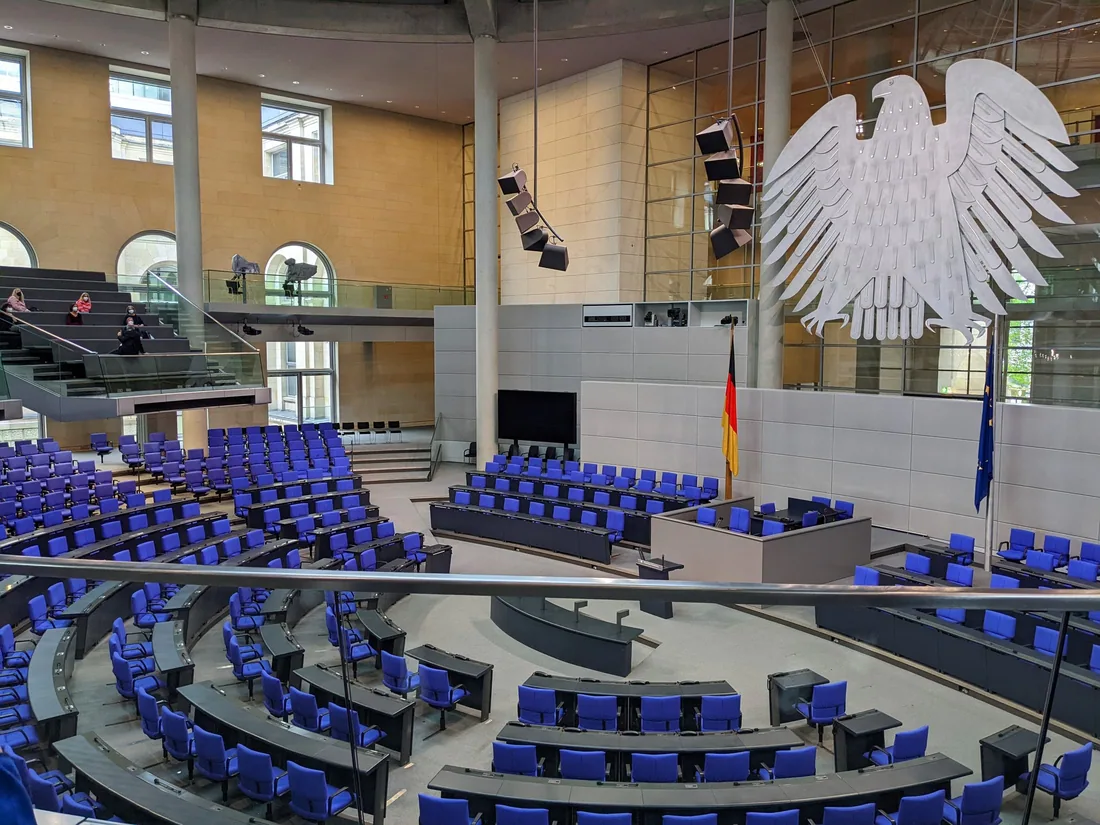
In twenty-one federal elections, only one parliamentary group has ever won a majority of the Bundestag: Adenauer’s CDU/CSU, in 1957
 Culture, science & society1974–2026
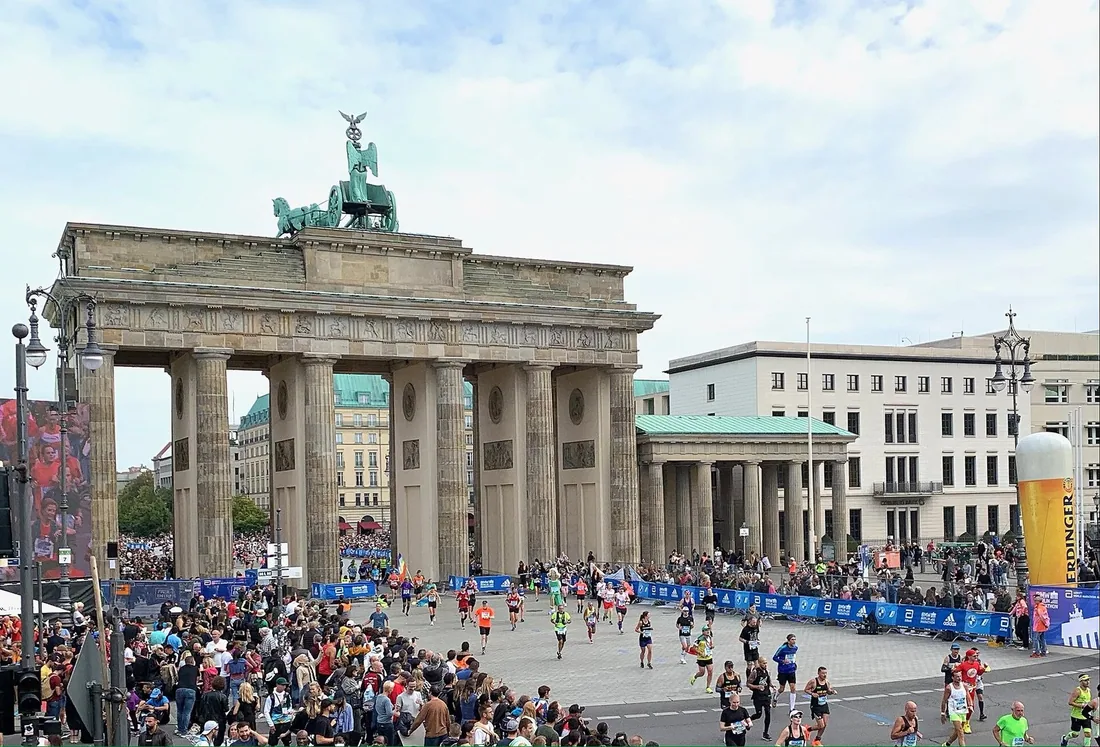
Berlin’s marathon began in the woods in 1974. Its winners have since run 43:44 faster, and broken the men’s world record nine times
 Culture, science & society1696–2024
The youngest of Berlin’s four universities is now the largest
 Culture, science & society1901–2025
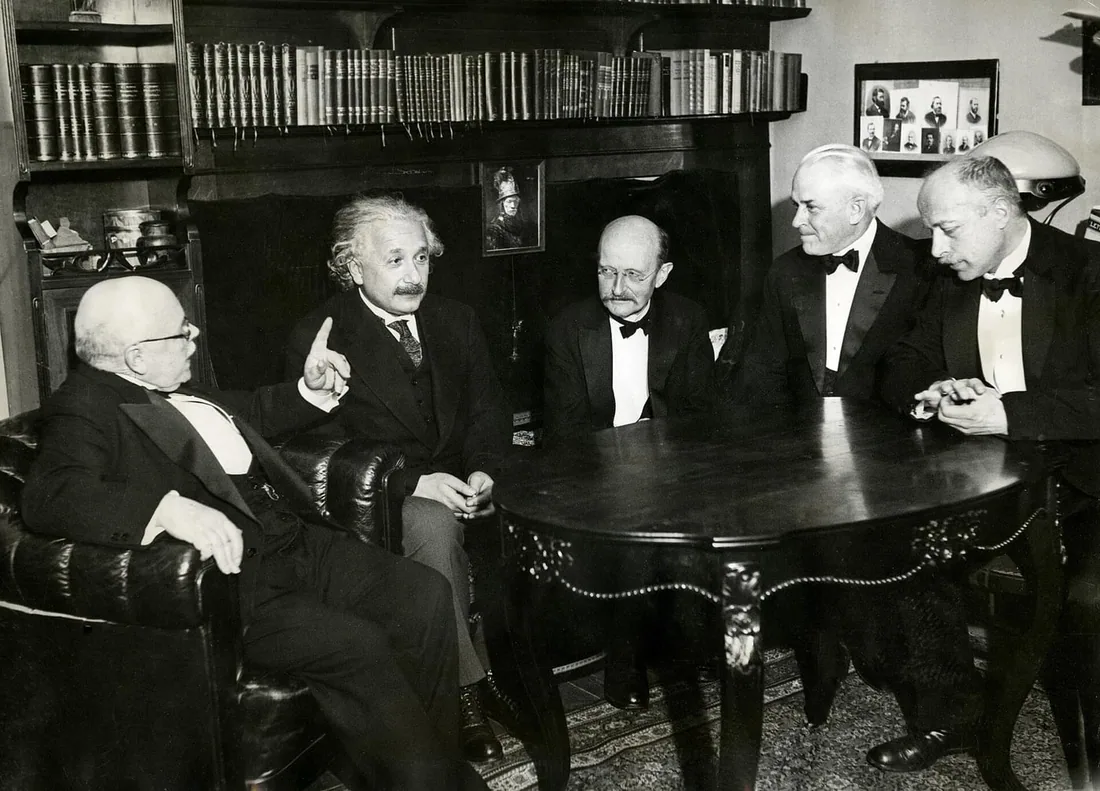
Germany won more science Nobels than any nation for four decades. After 1933 it never came first again.
 Culture, science & society1949–2026
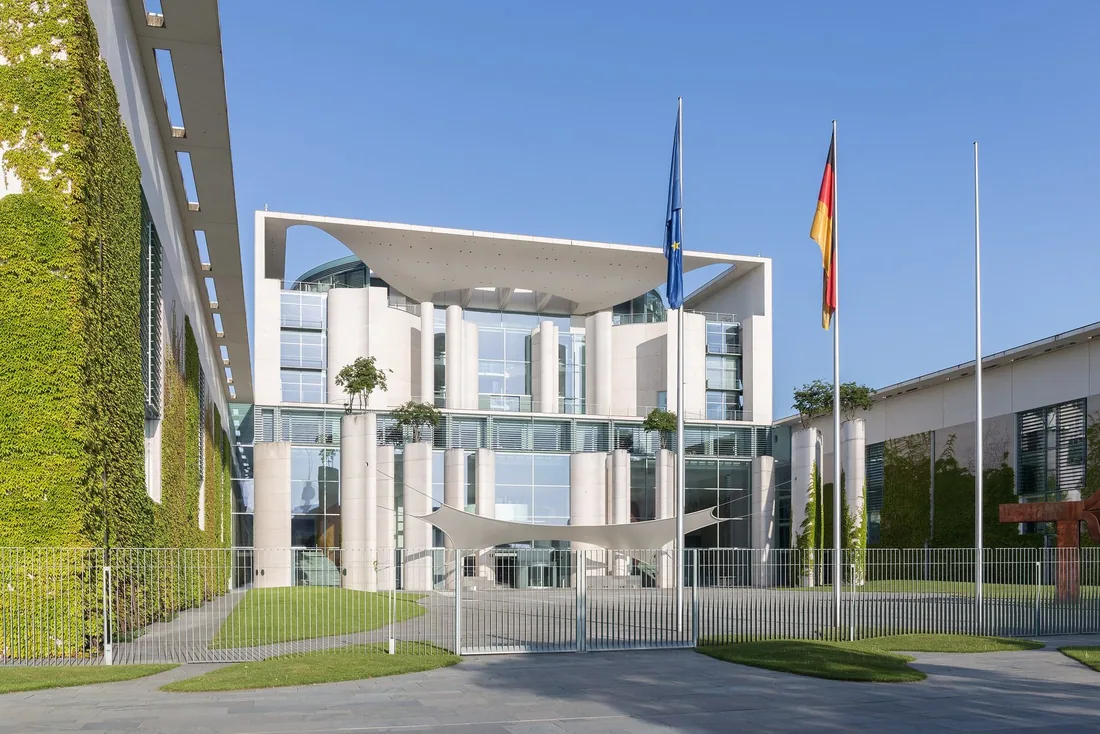
Adenauer, Kohl and Merkel held Germany’s chancellery for 46 of the Federal Republic’s first 76 years
 Culture, science & society1956–2021
Germany’s constitutional court cannot start a case. Handed eight, it banned a party, stopped a census and voided Berlin’s rent cap
The city since 1990.
 Reunified Berlin1920–2024
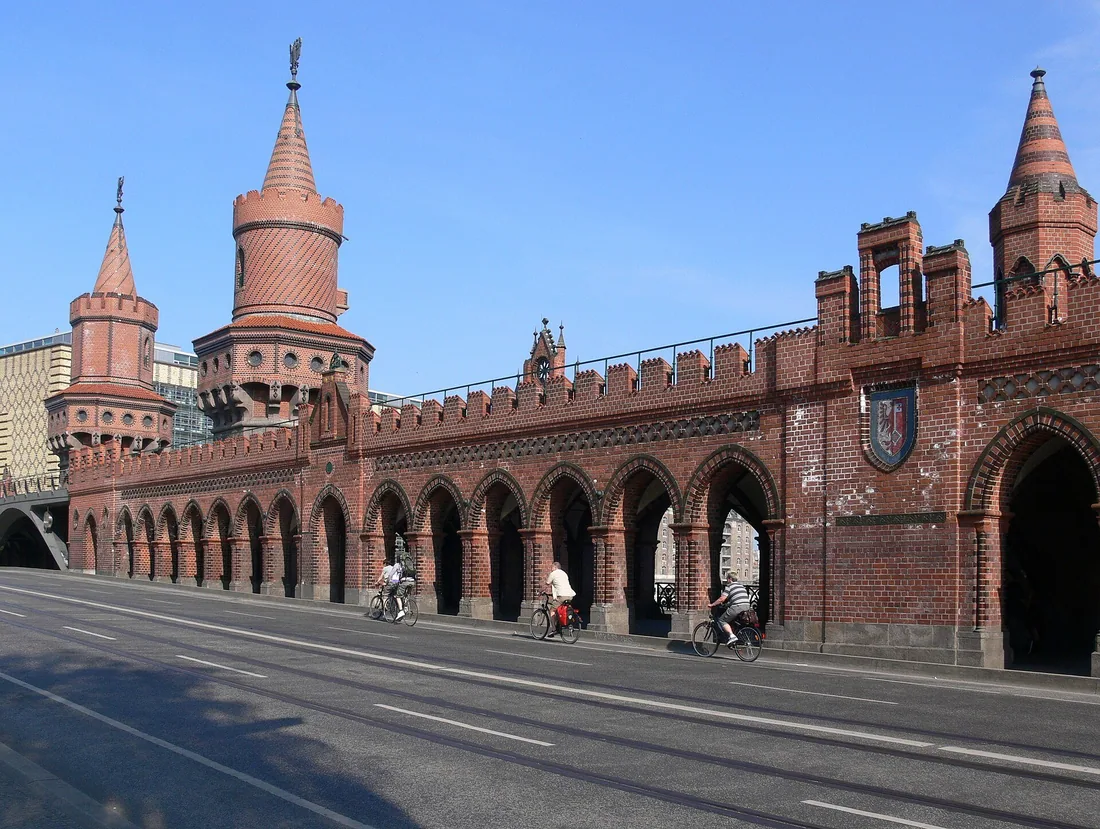
In 2001 Berlin folded its twenty-three boroughs into twelve districts. Two of the new districts joined East and West across the line of the Wall
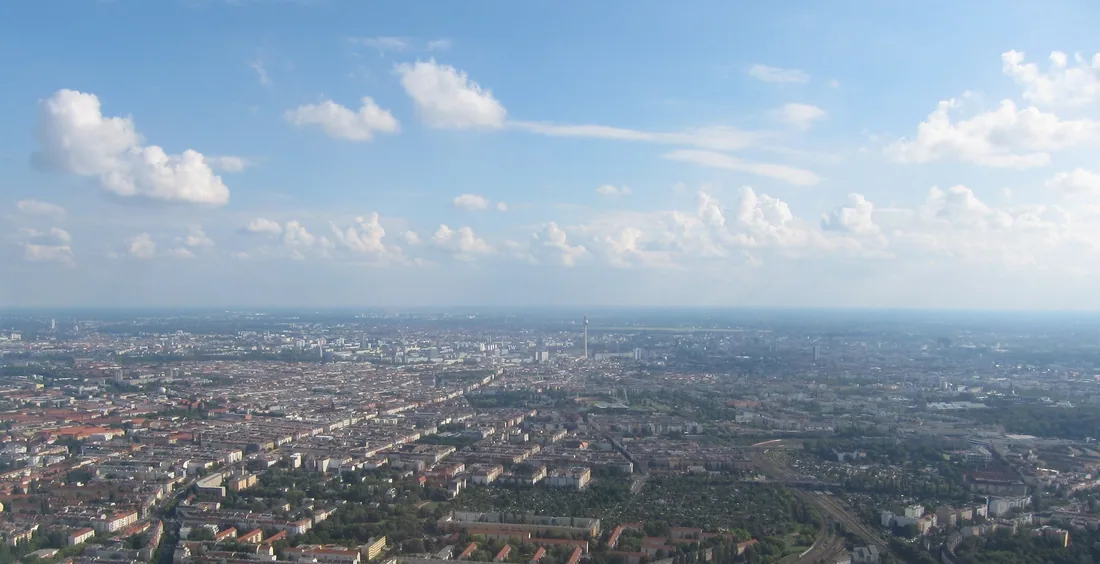 Reunified Berlin2001–2023
Berlin is split into twelve districts, each with its own mayor. The smallest, Spandau, has 243,827 residents; the largest, Pankow, 406,631
 Reunified Berlin2016–2025
Berlin wrote a 2,400-km cycle network into law. By the Senate’s own count, 6% of it has been built
The strange, surprising and overlooked, measured.