Berlinfographicsby Berlin Experiences

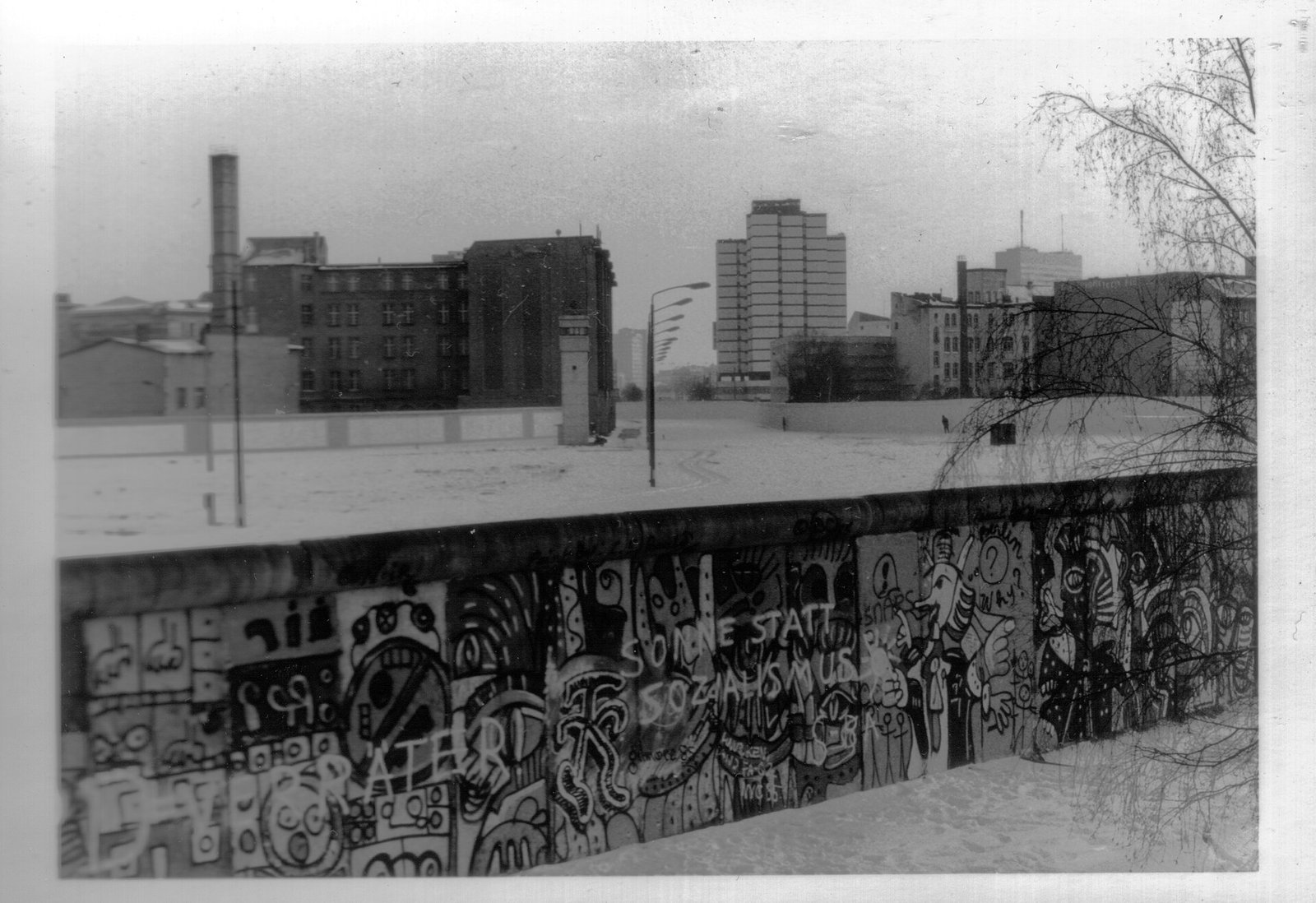
Potsdamer Platz from West Berlin, 1985: the wall in front, the strip behind it, the hinterland wall beyond and East Berlin on the skyline.Photo: Dieter Schöttle, 1985. Wikimedia Commons. CC BY 4.0.

The Berlin Wall

East Germany spent 28 years hardening the Berlin Wall. One sentence opened it 4 h 37 min later

It began as barbed wire on 13 August 1961 and ended as a border system 155 km long around West Berlin. At 18:53 on 9 November 1989, Günter Schabowski read out new travel rules. At about 23:30 the gate at Bornholmer Straße opened.

155km
border system around West Berlin
302
watchtowers
259
dog runs
3.6m
height of the final wall, Grenzmauer 75

01Berlin, 13 August 1961

A city was cut in two in a single night

Shortly after midnight on 13 August 1961, East German police and the Kampfgruppen, the factory militias, began sealing the sector border with barbed wire and barricades. The wire ran along 43 km of the boundary inside Berlin and on around the rest of West Berlin.

Within days the wire became a wall. From 15–17 August 1961 workers laid concrete slabs and hollow blocks behind it.

The first wall was wire. The last was 3.6 metres of precast concrete made for farm silos.

Rows of armed men in uniform stand in front of the columns of the Brandenburg Gate.
Armed Kampfgruppen, the East German factory militia, in front of the Brandenburg Gate in 1961, with water cannon behind them.Photo: Bundesarchiv, Bild 183-85458-0002 / Peter Heinz Junge / CC-BY-SA 3.0 de
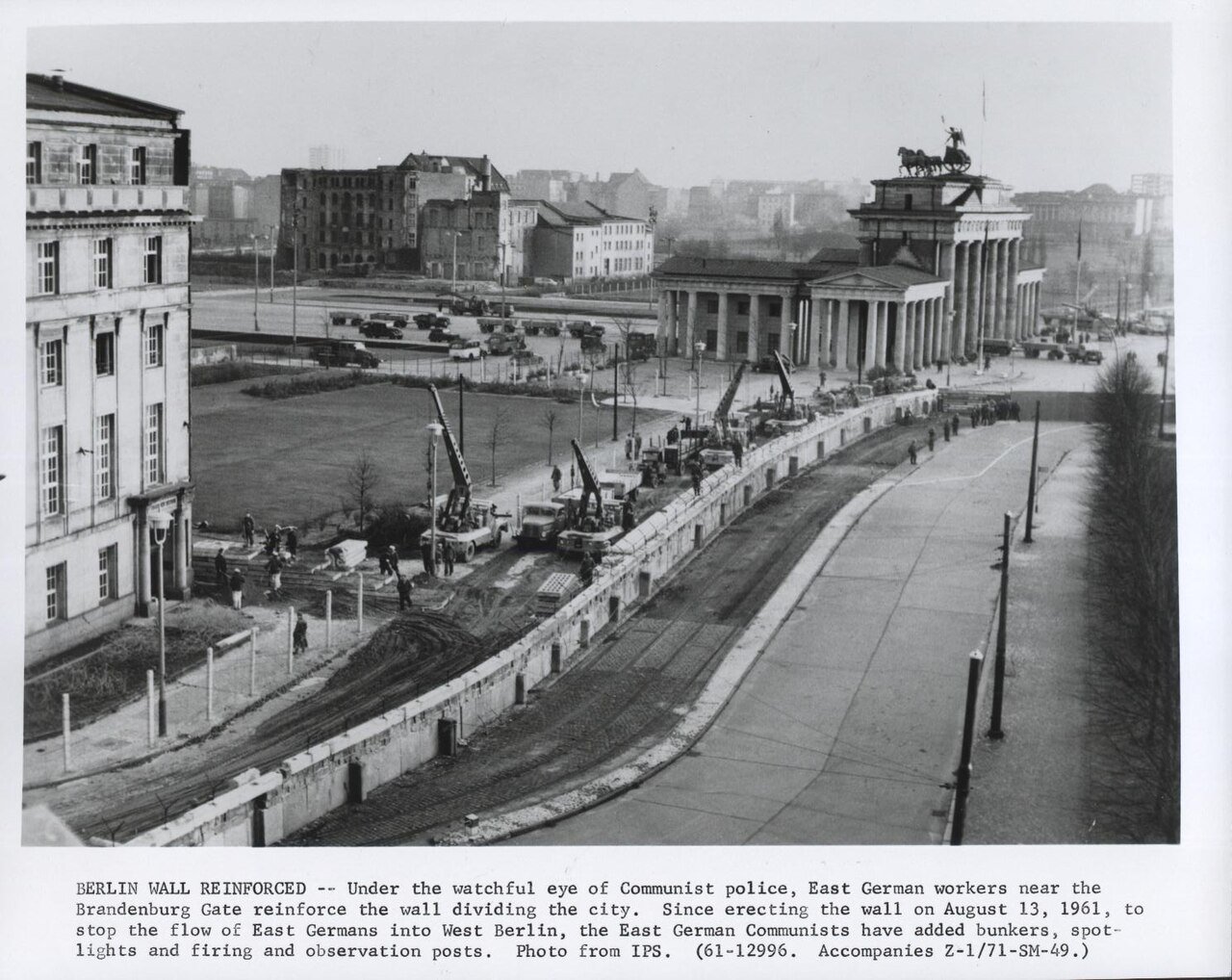
Aerial view of cranes lifting concrete elements onto a curving wall beside the Brandenburg Gate, with the original typed caption beneath.
Press photographA US government press photograph of 1961: workers near the Brandenburg Gate reinforce the wall “under the watchful eye of Communist police”, as its caption puts it.Photo: United States Information Service, Department of State, 1961. Wikimedia Commons. Public domain.

The wall in cross-section

The Berlin Wall in cross-section, from barbed wire in 1961 through the block wall, the slab wall of the mid-1960s and Grenzmauer 75, to the whole border strip and its removal in 1990, with a timeline beneath.

Heights in metres, to scale where recorded.

Armed men in field uniform stand between armoured vehicles in a gateway of the Brandenburg Gate.
Barricades at the Brandenburg Gate, 1961, in a US Information Agency print.Photo: U.S. Information Agency, 1961. Wikimedia Commons. Public domain.

13 August 1961

It began as barbed wire

Shortly after midnight, coils and fences of barbed wire went up along the sector border. Nobody yet knew it would stand for 28 years.

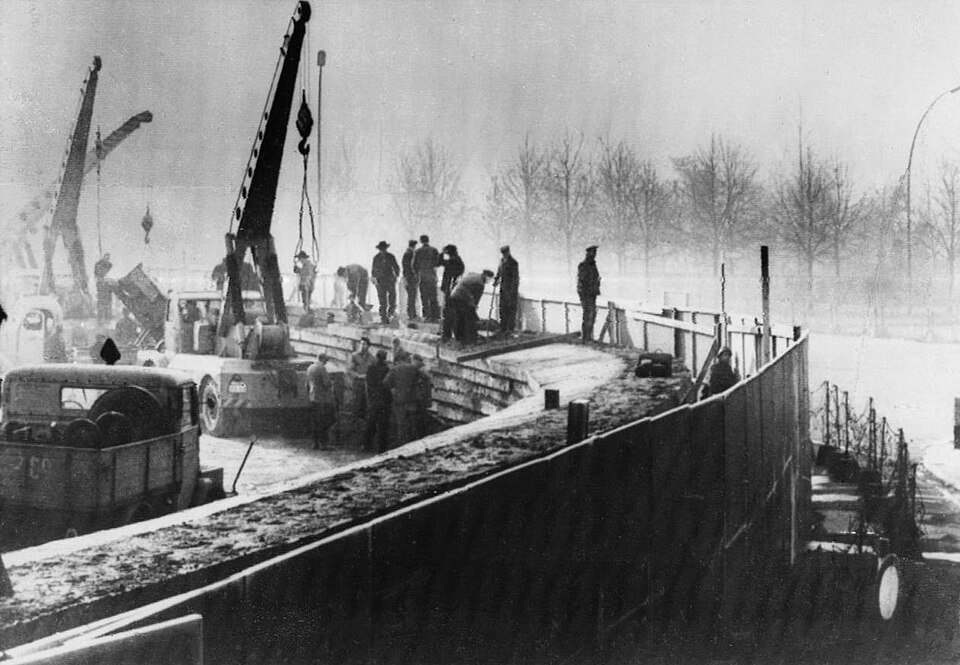
Workers and cranes on top of a long block wall in winter mist; a truck stands at left.
East German construction workers building the Wall in November 1961.Photo: U.S. National Archives, 1961. Wikimedia Commons. Public domain.

From 15 August 1961

Within days, a wall of whatever was to hand

The first wall was about 2 metres high: large square blocks from housing construction at the base, smaller hollow blocks above, long concrete beams on top.

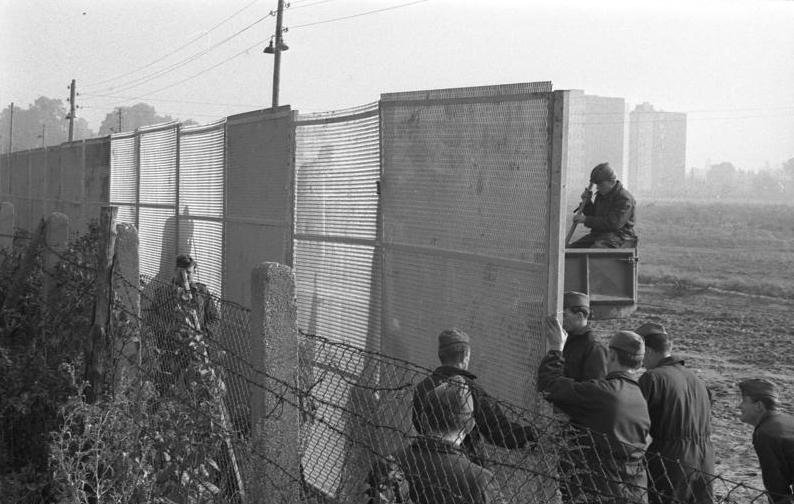
Uniformed men put up tall mesh panels behind a barbed-wire fence on concrete posts; one works from a raised platform.
Building a “modern wall” on the border near Kleinmachnow, at the edge of West Berlin, in 1965.Photo: Bundesarchiv, B 145 Bild-P091010 / CC BY-SA 3.0 de

Mid-1960s

Slabs between posts, and a pipe nobody could grip

From the mid-1960s a new wall replaced it: concrete slabs stacked between H-shaped reinforced-concrete posts, capped with a round concrete pipe 0.4 metres across, to stop climbers getting a hold.

A smooth concrete wall topped with a round pipe, covered with graffiti, running along a street.
Grenzmauer 75 at Bernauer Straße and Bergstraße, with graffiti on its western face.Photo: ELAB, Archiv der Versöhnungsgemeinde, 1985. Wikimedia Commons. CC BY-SA 4.0.

1975 onwards

Grenzmauer 75: farm-silo concrete, 3.6 metres high

The final wall was built from L-shaped precast elements first made for farm silos, each 3.6 metres high on a foot 1.2 metres wide, capped with a round pipe. Building it began 14 years after the wire.

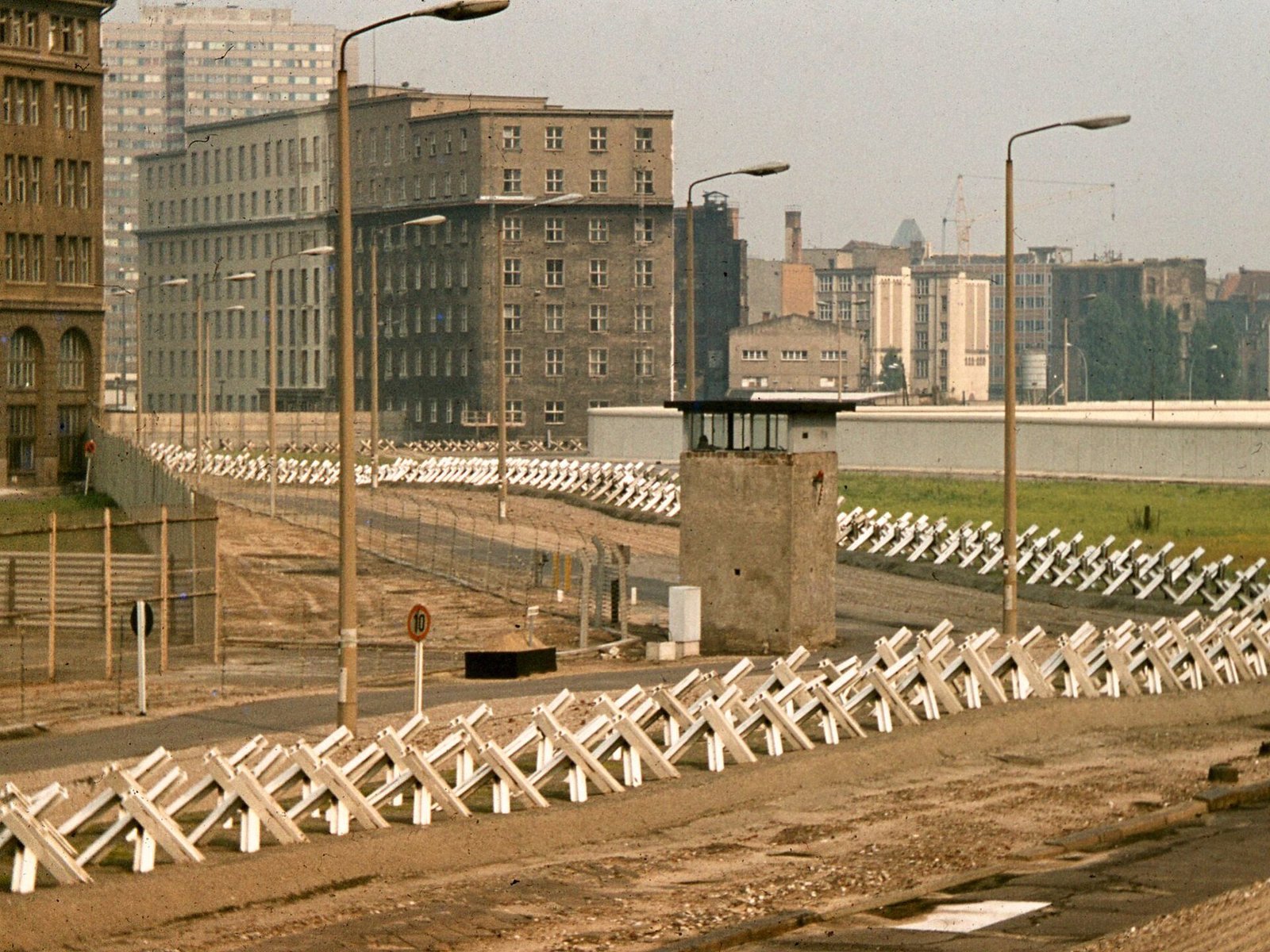
Steel anti-tank obstacles on a sandy strip in front of a concrete guard tower.
The death strip: anti-tank obstacles on raked sand in front of a guard tower.Photo: George Garrigues, 1977. Wikimedia Commons. CC BY-SA 3.0.

The death strip

The wall the West saw was the last of nine barriers

From the East, an escaper met a hinterland wall about 3 metres high, an electric signal fence, tank traps, a raked sand strip with dog runs, watchtowers, a patrol road, floodlights, an anti-vehicle ditch, and only then Grenzmauer 75.

Workers and machinery dismantle sections of concrete wall.
February 1990: border-troop engineers begin taking down the stretch between the Brandenburg Gate and the Reichstag bank, working, the archive caption says, only at night.Photo: Bundesarchiv, Bild 183-1990-0220-015 / Reiche, Hartmut / CC BY-SA 3.0 de

13 June – 30 November 1990

Taken down by the troops who had guarded it

Official demolition began at Bernauer Straße on 13 June 1990 and ended in the inner city on 30 November 1990, carried out by the former GDR border troops with Allied and private help.

02The ring around West Berlin

Most of the border ran around West Berlin, not through the city centre

The border system around West Berlin was 155 kilometres long. Only 43.1 km of it divided East from West Berlin. The other 111.9 km ran between West Berlin and the surrounding GDR.

Along it stood 302 watchtowers and 259 dog runs. The wall itself went through three generations in 28 years.

Over a graffiti-covered wall, a wide strip with lamps and guards on patrol.
The death strip seen from West Berlin, 1986, with guards on patrol: the view down today’s Niederkirchnerstraße towards Checkpoint Charlie.Photo: Lklundin, 1986. Wikimedia Commons. CC BY-SA 4.0.
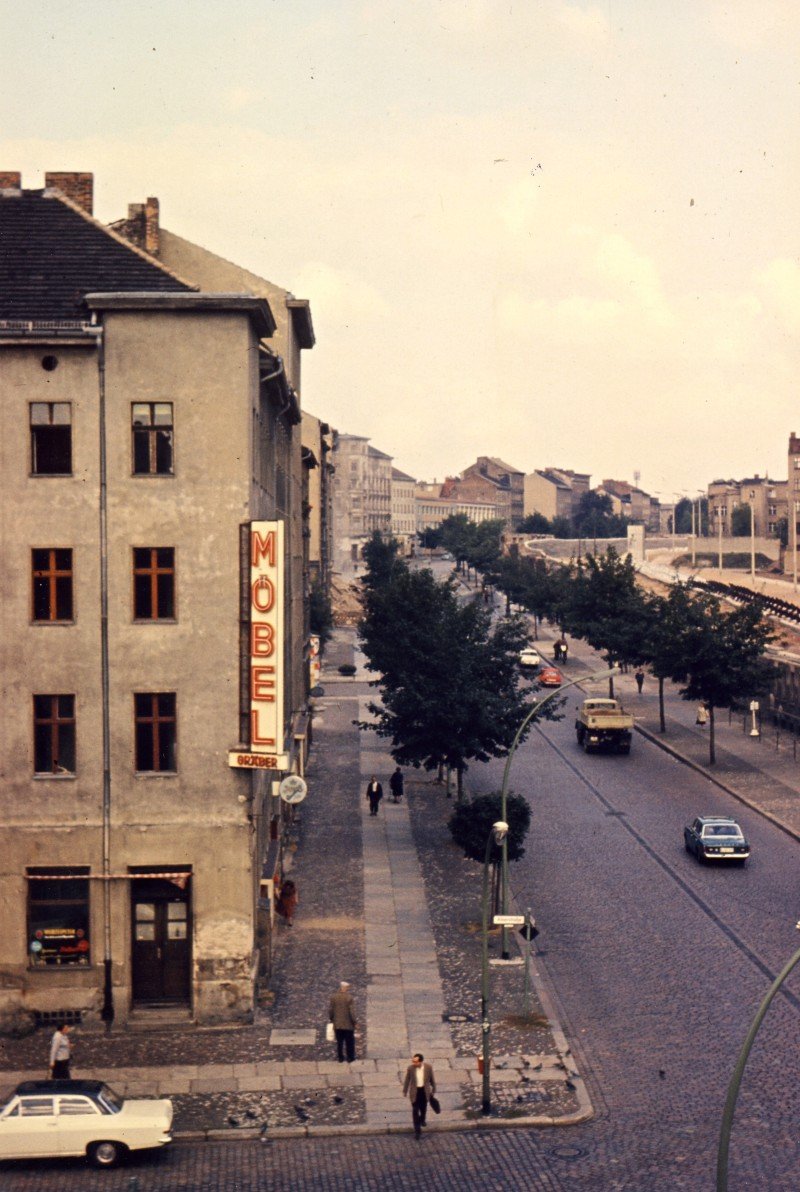
A street with pedestrians and cars seen from above; the border strip runs along its right-hand side.
Bernauer Straße at the corner of Ackerstraße, 1966. The strip here was a wall of house fronts, vehicle barriers and a watchtower.Photo: ELAB, Archiv der Versöhnungsgemeinde, 1966. Wikimedia Commons. CC BY-SA 4.0.

The ring around West Berlin

155 km

Watchtowers

302

Each square: one tower

Dog runs

259

Each square: one dog run

Automatic-fire devices were used only on the inner-German border, not on the Berlin Wall.

03East Berlin, 9 November 1989

“Sofort, unverzüglich”: the answer that opened the Wall

At 18:53 the Politburo spokesman Günter Schabowski announced new travel rules and said they applied “sofort, unverzüglich”: immediately, without delay.

East Berliners went to see for themselves. By 21:30, 500–1,000 people were waiting at Bornholmer Straße. At 23:30 the Stasi passport-control officer Harald Jäger had the gate opened: 4 hours 37 minutes after the announcement.

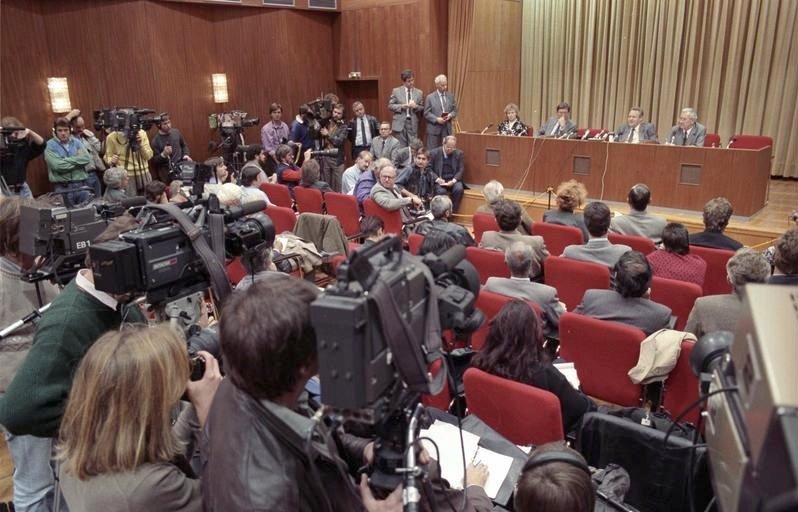
A man in a suit and glasses speaks at a table with microphones in front of him.
Günter Schabowski, Politburo member, answering journalists at the International Press Centre in East Berlin, 9 November 1989.Photo: Bundesarchiv, Bild 183-1989-1109-030 / Lehmann, Thomas / CC BY-SA 3.0 de

9 November 1989, from the announcement to the open gate

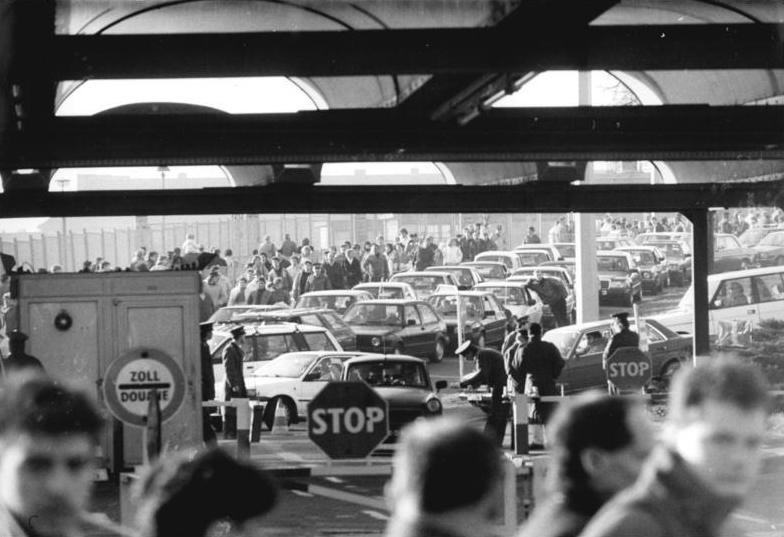
Crowds of people and cars pass through a border crossing under a steel bridge.
East Berliners pass through the crossing at Bornholmer Straße on Saturday 18 November 1989, nine days after its gate was opened.Photo: Bundesarchiv, Bild 183-1989-1118-017 / Roeske, Robert / CC BY-SA 3.0 de
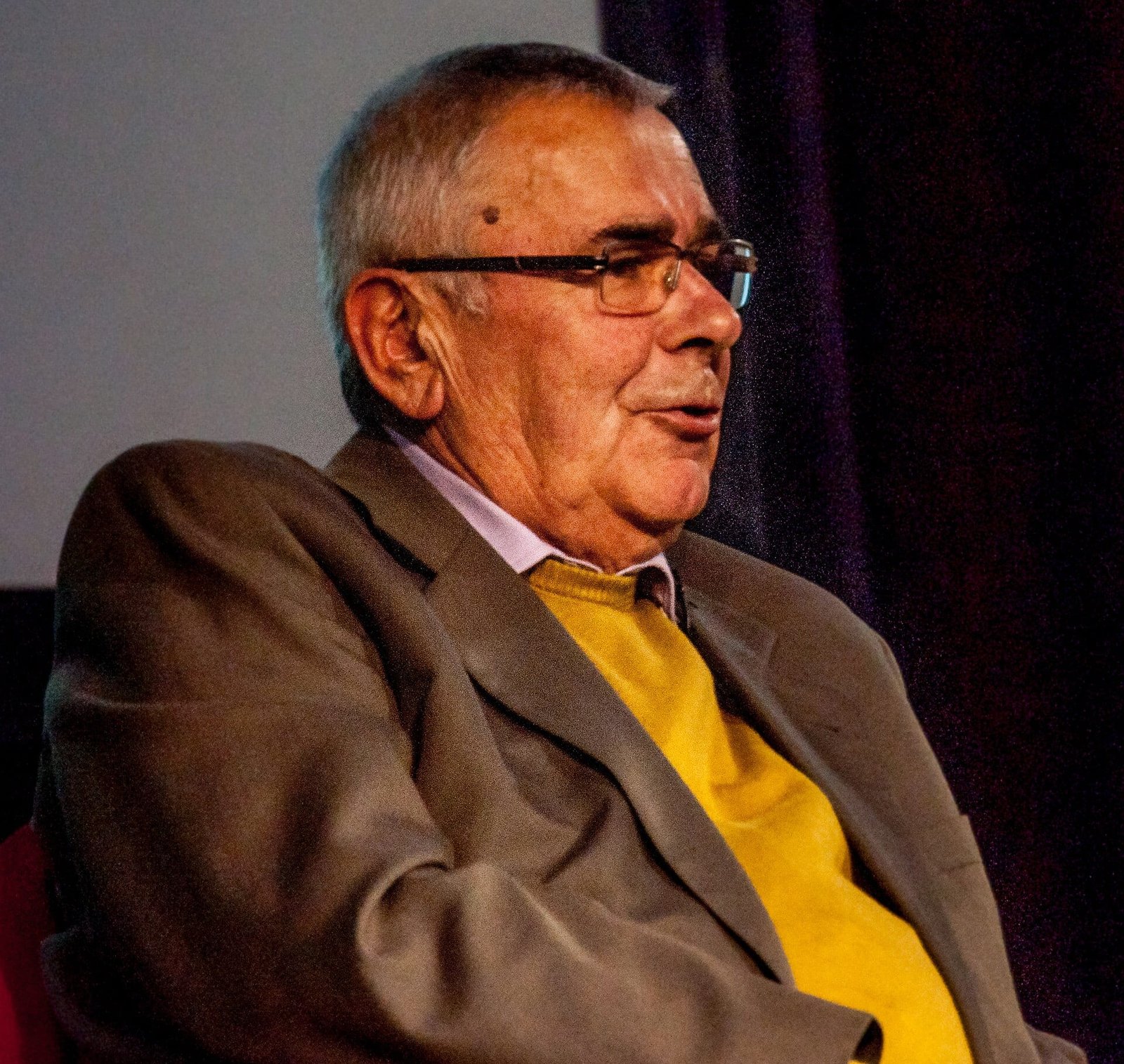
An older man in glasses, a brown jacket and a yellow jumper, speaking while seated.
Harald Jäger, the Stasi passport-control officer who had the gate at Bornholmer Straße opened on 9 November 1989, speaking at Liverpool University in 2014.Photo: Eric The Fish from UK, 2014. Wikimedia Commons. CC BY 2.0.
A large crowd gathered at a gap cut in the concrete wall, with border guards and the strip beyond.
West Berliners crowd round the newly made opening in the Wall at Potsdamer Platz, 14 November 1989.Photo: U.S. Department of Defense, 1989. Wikimedia Commons. Public domain.

04Berlin, 1990

28 years to build, 170 days to clear from the inner city

The official demolition began on 13 June 1990 at Bernauer Straße and ended in the inner city on 30 November 1990: 170 days. It was carried out by the former GDR border troops with Allied and private help.

1990: the official demolition in the inner city

The longest stretch still standing is the East Side Gallery: 1.3 km of the hinterland wall, the side East Berliners saw.

Looking through a ragged hole in a concrete wall towards a sandy strip and a watchtower.
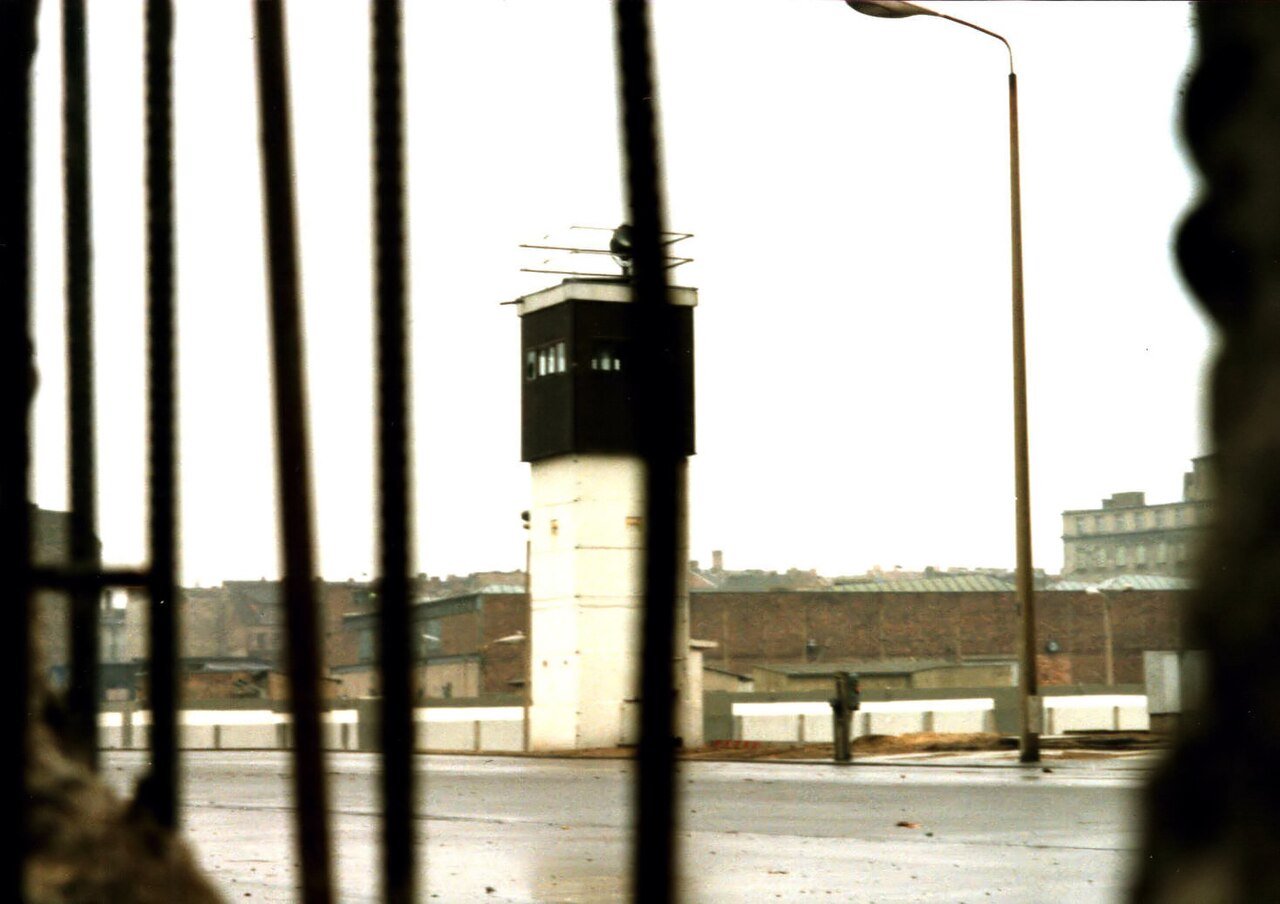
A hole chipped in the Wall by souvenir hunters, 1990, looking through to the death strip and a watchtower.Photo: Zumthie, 1990. Wikimedia Commons. Public domain.
Machinery breaks up a thick concrete wall in front of the Brandenburg Gate while crowds look on.
April 1990: watched from both sides, the GDR border troops break up the anti-tank wall in front of the Brandenburg Gate with a hydraulic hammer.Photo: Bundesarchiv, Bild 183-1990-0429-411 / Schindler, Karl-Heinz / CC BY-SA 3.0 de

It took the GDR 14 years to reach the Wall’s final form. It opened 277 minutes after a sentence read out at a press conference.

Press & citation

Use this Berlinfographic

Free to publish under CC BY 4.0 — in print, online, on Wikipedia and in teaching, commercially or not — with credit to Berlinfographics and a link to this page.

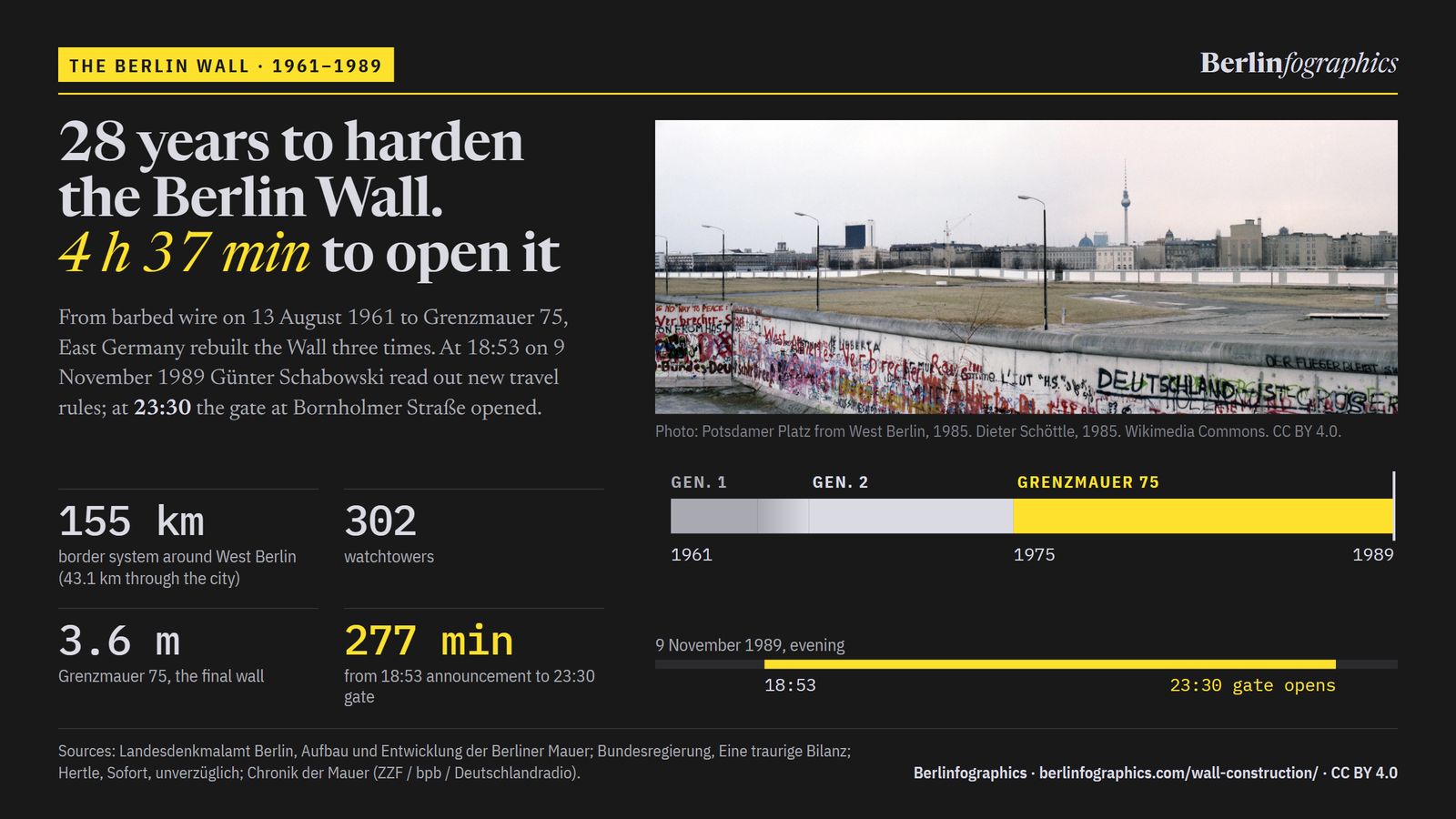
The Berlin Wall, from wire to rubble, 1961–1990: ready-to-use landscape image

Ready-to-use image

The infographic as one image: headline, key figures, chart, sources and credit, 2,400 × 1,350 px PNG. Please use it unedited.

Download landscape (PNG)
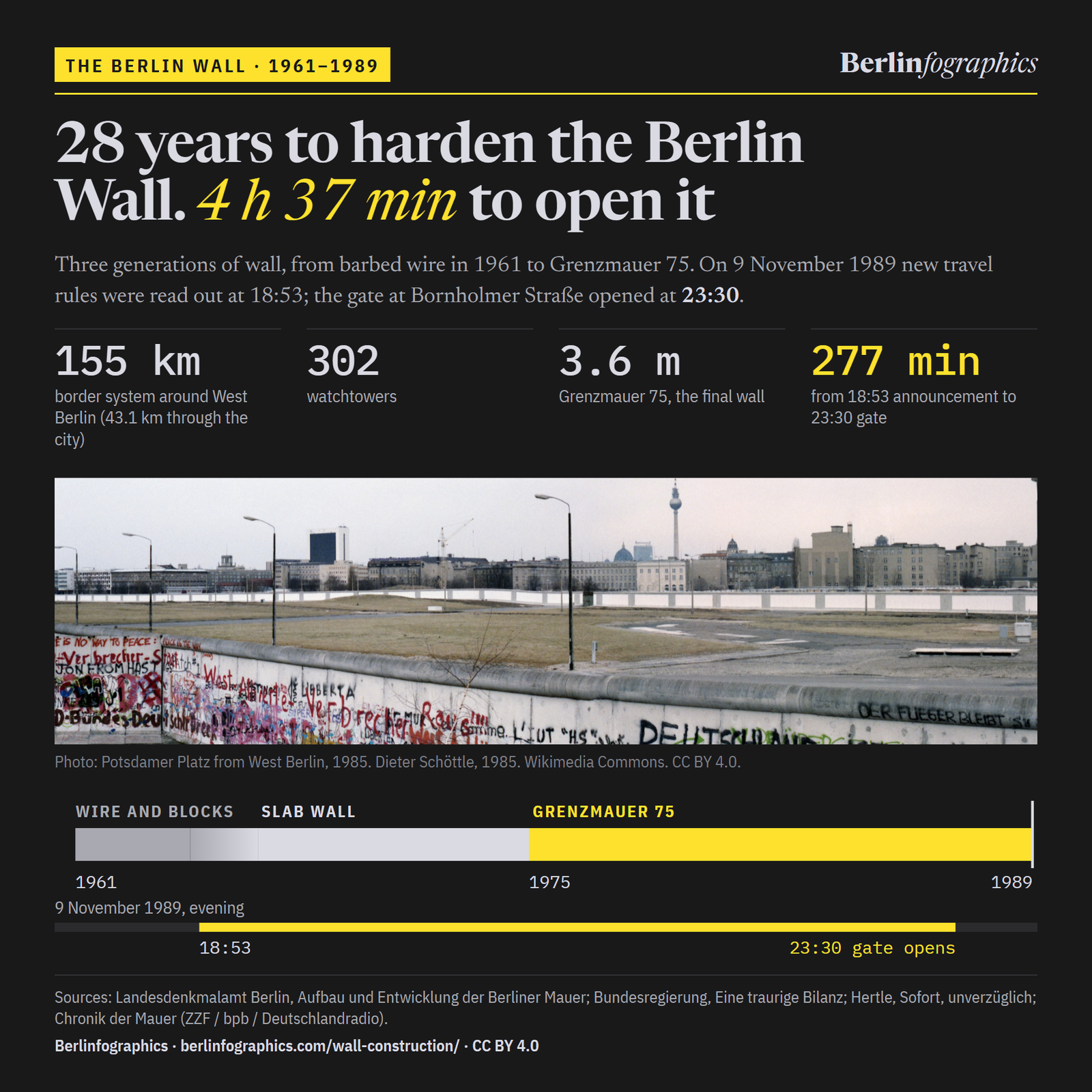
The Berlin Wall, from wire to rubble, 1961–1990: square version

Square format

A 1:1 version for social media and narrow columns, 1,800 × 1,800 px.

Download square (PNG)
The Berlin Wall, from wire to rubble, 1961–1990: portrait version

Portrait 4:5

For Instagram and LinkedIn feeds, 1,620 × 2,025 px.

Download portrait (PNG)

Credit line

Berlinfographics (berlinfographics.com), CC BY 4.0

Citation

Berlinfographics (2026). “The Berlin Wall, from wire to rubble, 1961–1990”. Berlin Experiences. https://berlinfographics.com/wall-construction/

Wikipedia

{{cite web |title=The Berlin Wall, from wire to rubble, 1961–1990 |url=https://berlinfographics.com/wall-construction/ |website=Berlinfographics |publisher=Berlin Experiences |date=2026-11-05 |access-date=2026-11-05}}