


Medicine 1905
Robert Koch
Institut für Infektionskrankheiten, Berlin
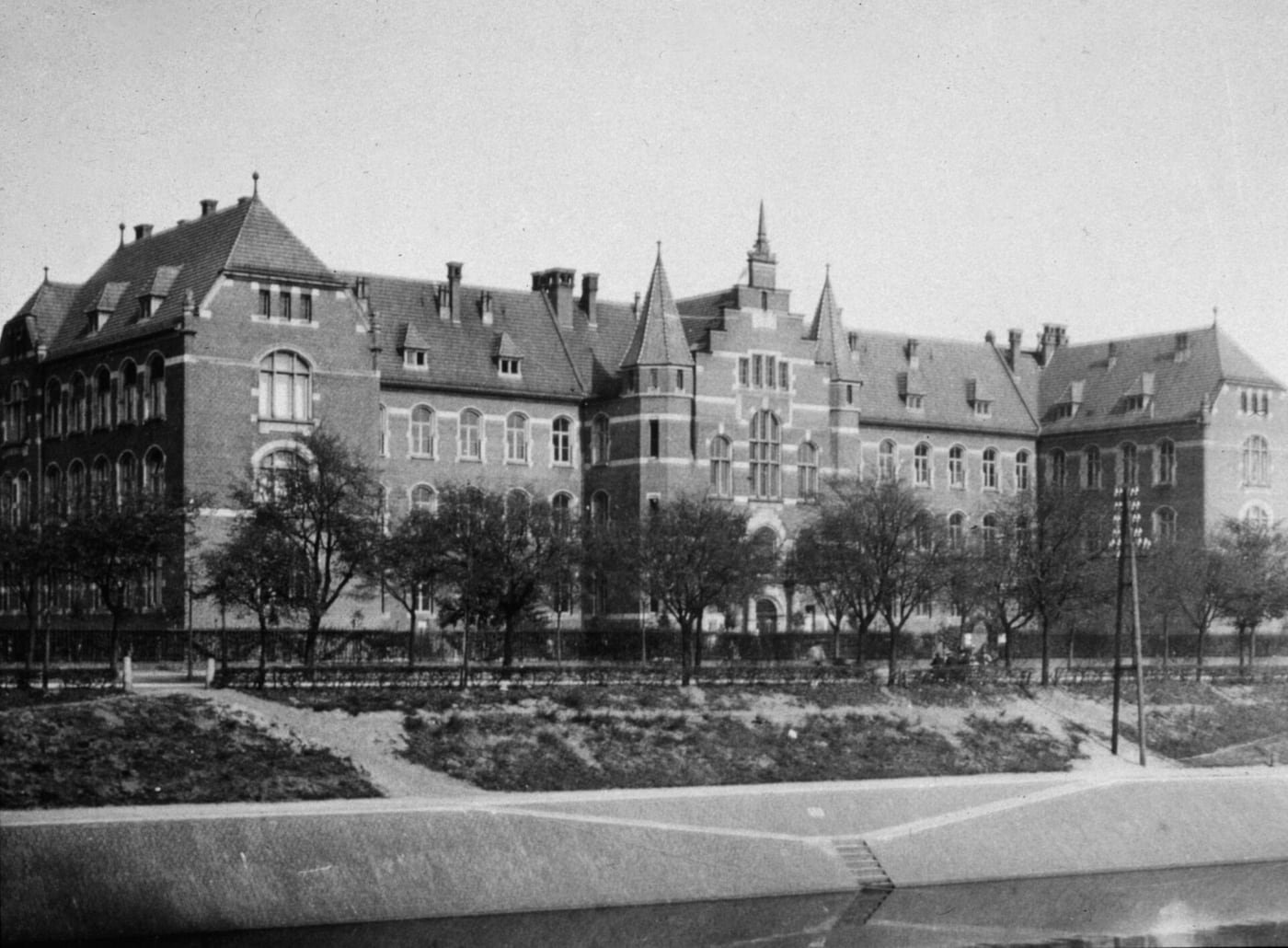
Identified the bacteria of anthrax, tuberculosis (1882) and cholera. His institute of 1891 is today the Robert-Koch-Institut, Germany's disease-control agency.
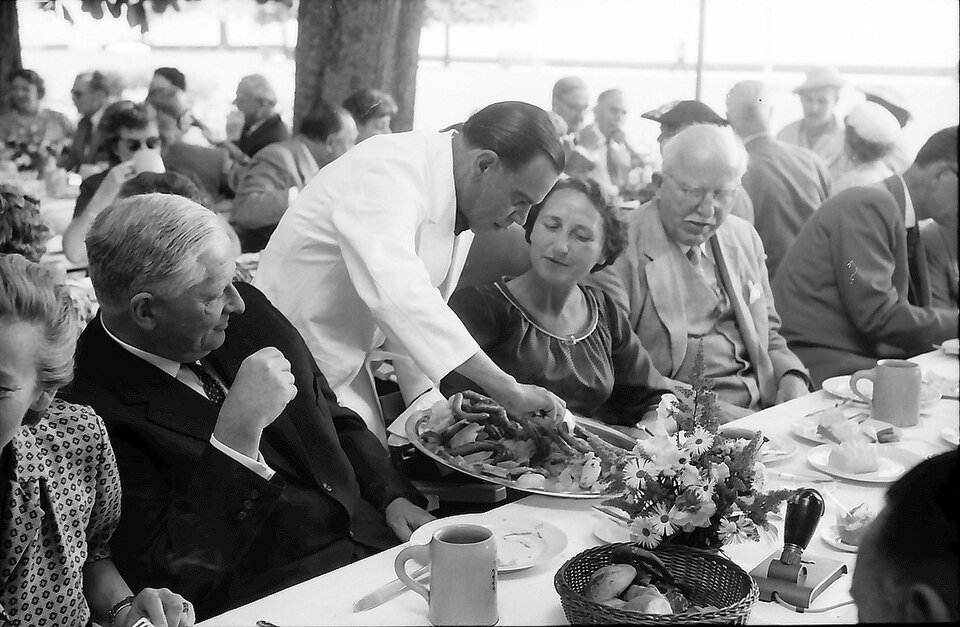
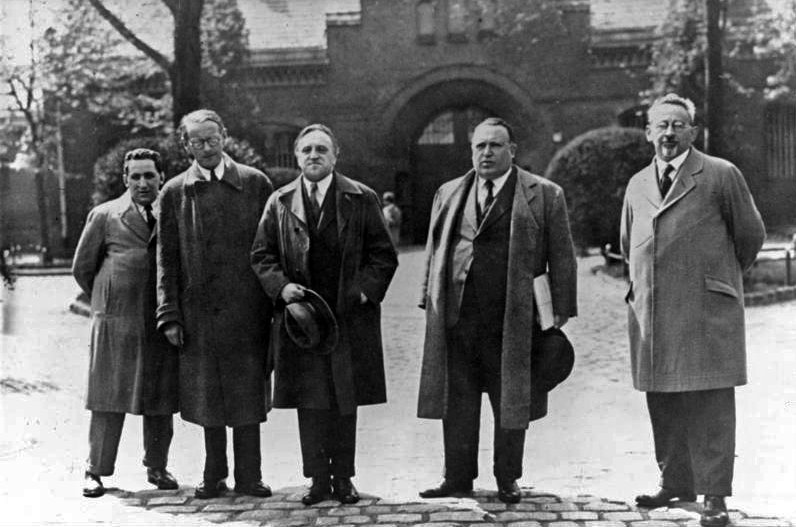
Berlin, 12 November 1931, at a dinner given by Max von Laue (archive caption). From left: Walther Nernst, Albert Einstein, Max Planck, the American Robert A. Millikan and von Laue. Their prizes: Walther Nernst (Chemistry 1920), Albert Einstein (Physics 1921), Max Planck (Physics 1918), Robert A. Millikan (Physics 1923), Max von Laue (Physics 1914).Photo: Unknown photographer, 1931. Nationaal Archief, via Wikimedia Commons. Public domain.
German Nobel laureates · 1901–2025
From 1901 to 1940 the laboratories of Berlin, Göttingen, Munich and Heidelberg produced more Nobel-winning physics, chemistry and medicine than those of any other country: 38 prizes, against 23 for the United Kingdom and 15 each for France and the United States. In 1933 the new regime began dismissing Jewish scholars from their posts. The prizes, which reward work done years earlier, kept arriving for a while — and some of them the laureates were forbidden to accept. Since the war the United States has come first in every decade; Germany's best has been second, twice.
01Berlin, before 1933
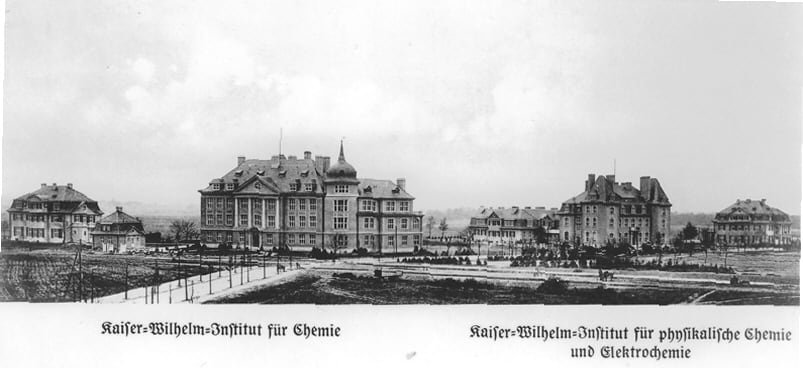
Before 1933, ten of Germany's thirty-two science prizes went to laboratories in Berlin — the university, Robert Koch's institute, the Kaiser-Wilhelm-Institute in Dahlem.
This story counts, decade by decade, the prizes in physics, chemistry and medicine by the country where the laureate was working when the prize was announced — the Nobel Foundation's own record of institutions. Writers and peacemakers have no laboratory to count and are left out here.


02Every decade, 1901–2025
Top of the table in 1901–10, 1911–20, 1921–30 and 1931–40. Third in 1941–50, and no higher than second in any decade since.
1901–10
In the first decade of the prizes, laboratories in Germany won 13 prizes in physics, chemistry and medicine — more than Britain and France together.
1911–20 · 1921–30
Max Planck’s physics prize and Fritz Haber’s chemistry prize, both for 1918, were won in Berlin. France came closest in the 1910s with 5; Britain closest in the 1920s with 7.
1901–40
From 1901 to 1940 the laboratories of Berlin, Göttingen, Munich and Heidelberg produced more Nobel-winning physics, chemistry and medicine than those of any other country: 38 prizes, against 23 for the United Kingdom and 15 each for France and the United States.
1931–40 · January 1933
Prizes reward work done years before, which is why the German line holds through the 1930s: seven of that decade's ten German prizes were announced after January 1933. Count only the prizes from 1933 to 1940, and the United States leads, 8 to 6.
In 1933 Albert Einstein gave up his German citizenship; Fritz Haber was forced out of his Dahlem institute.
1936–38
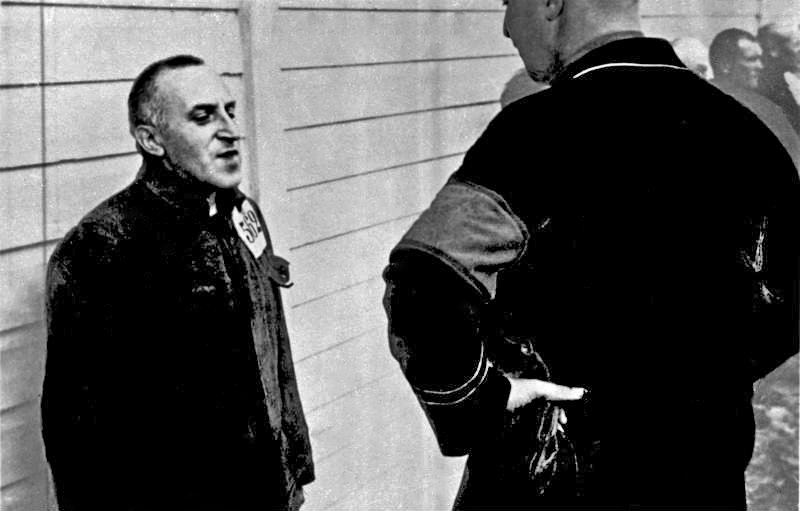
Carl von Ossietzky, held in a camp since 1933, is named the 1935 Peace laureate and refused permission to travel to Norway. The ban on any German accepting a Nobel Prize was announced in November 1936 and formalised by a decree of 30 January 1937. Thomas Mann's citizenship is revoked.
Ossietzky dies of tuberculosis in police custody in May 1938.
1938–39
Richard Kuhn was made to decline the chemistry prize for 1938. Adolf Butenandt and Gerhard Domagk were made by the authorities to decline their prizes.
1941–50
In December 1938 Otto Hahn demonstrated the fission of uranium in Berlin-Dahlem. His prize for 1944 was announced only in November 1945; he received it in Stockholm in December 1946. Lise Meitner, who explained the result from exile in Sweden, was not named.
1951–60 – 1981–90
In 1948 the Kaiser-Wilhelm-Gesellschaft, which ran the Dahlem institutes, was renamed the Max-Planck-Gesellschaft. The United States won 30, 28, 41, 39 prizes in these four decades; Germany 3, 5, 4, 5.
1991–00 – 2021–25
In 1991–00, Germany 4 and the United States 43; In 2021–25, Germany 4 and the United States 23. The last column covers five years, 2021 to 2025.
Physics
Germany led physics in 1901–10, 1911–20 and 1921–30, alone or tied, and has not led a decade of it since.
Chemistry
Germany’s place in chemistry in the decades since 1941: 2nd, 3rd, 3rd, 3rd, 2nd, 3rd, 4th, 3rd, 3rd.
Physiology or medicine
The decades with no German prize for medicine: 1911–20, 1941–50, 1981–90, 2011–20.
03Twelve laureates
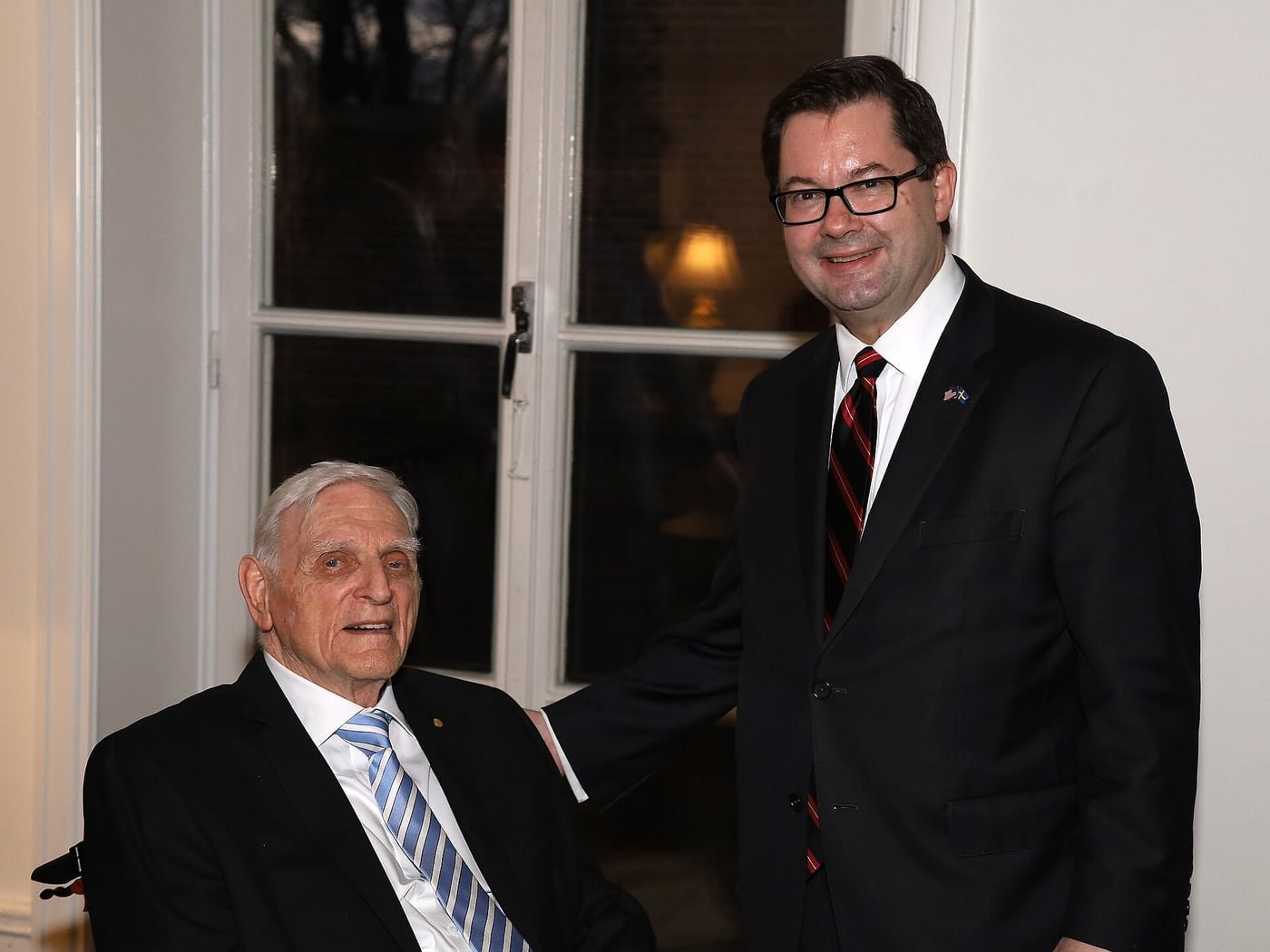
Twelve German-language laureates whose work or lives ran through Berlin or the German question, in the order of their prizes: seven scientists, four writers and two winners of the Peace Prize, one of them a prisoner.
Medicine 1905
Institut für Infektionskrankheiten, Berlin
Identified the bacteria of anthrax, tuberculosis (1882) and cholera. His institute of 1891 is today the Robert-Koch-Institut, Germany's disease-control agency.

Medicine 1908 (shared)
At the Charité in the 1890s he helped found the theory of immunity.
Physics 1918
Friedrich-Wilhelms-Universität, Berlin
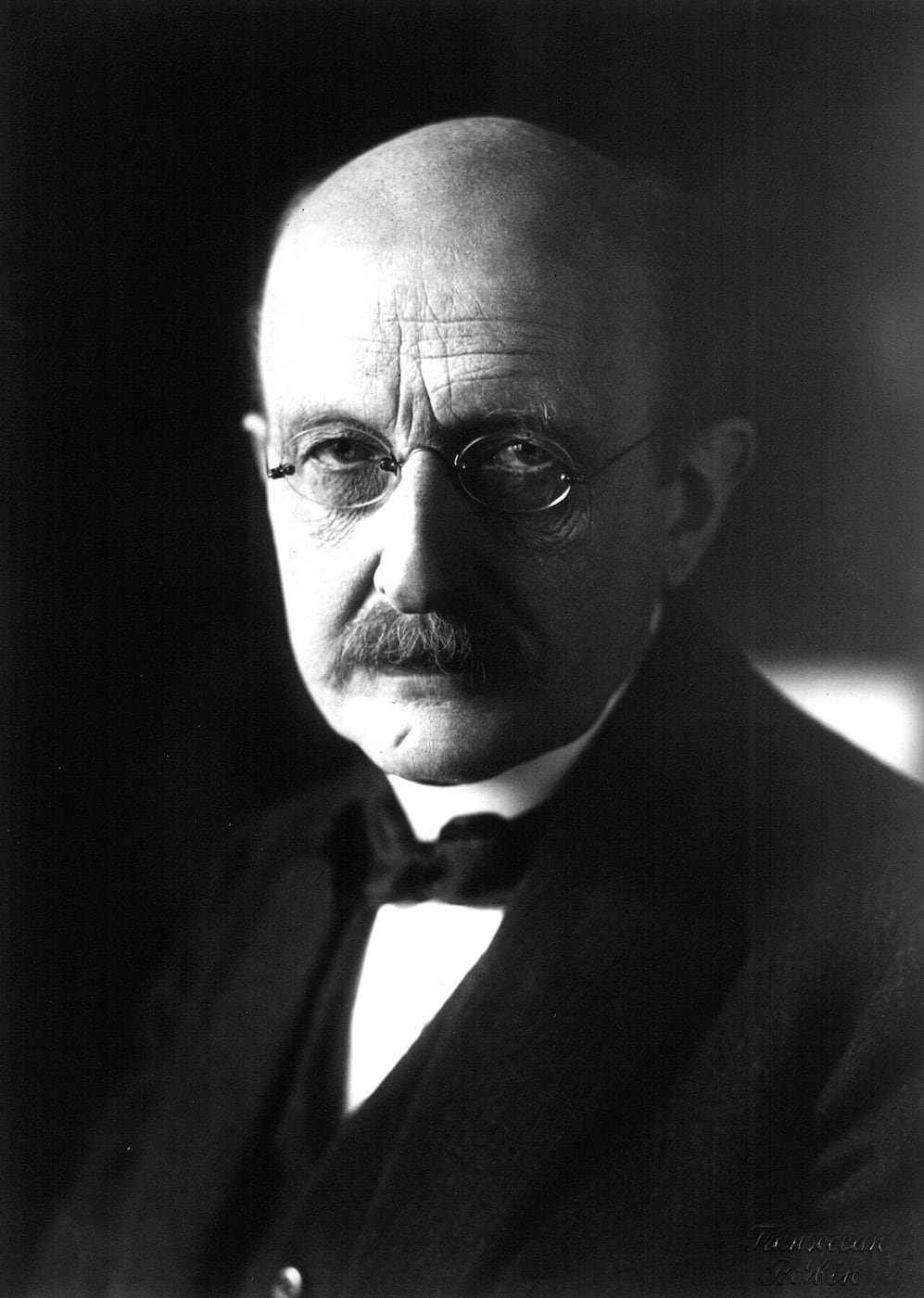
Introduced the quantum in 1900 and taught in Berlin from 1889. The Kaiser-Wilhelm-Gesellschaft took his name in 1948.


Chemistry 1918
Kaiser-Wilhelm-Institut für physikalische Chemie, Berlin-Dahlem
His synthesis of ammonia made synthetic fertiliser possible; he also led Germany's chemical-warfare effort in the First World War. Forced out of his institute in 1933.

Physics 1921
In Berlin from 1914 to 1932, and the institute's director from 1917. The citation names 'the law of the photoelectric effect', not relativity. He gave up his German citizenship in 1933 and did not return.

Literature 1929
no institution recorded
Cited 'principally for his great novel Buddenbrooks'. Left for Switzerland in February 1933, later for the United States; his German citizenship was revoked in 1936.
Peace 1935
editor of Die Weltbühne, Berlin
Jailed in 1932 for exposing secret rearmament; held in camps from 1933. Named laureate in 1936 and refused permission to travel to Norway; he died in police custody in 1938.

Chemistry 1944
Kaiser-Wilhelm-Institut für Chemie, Berlin-Dahlem
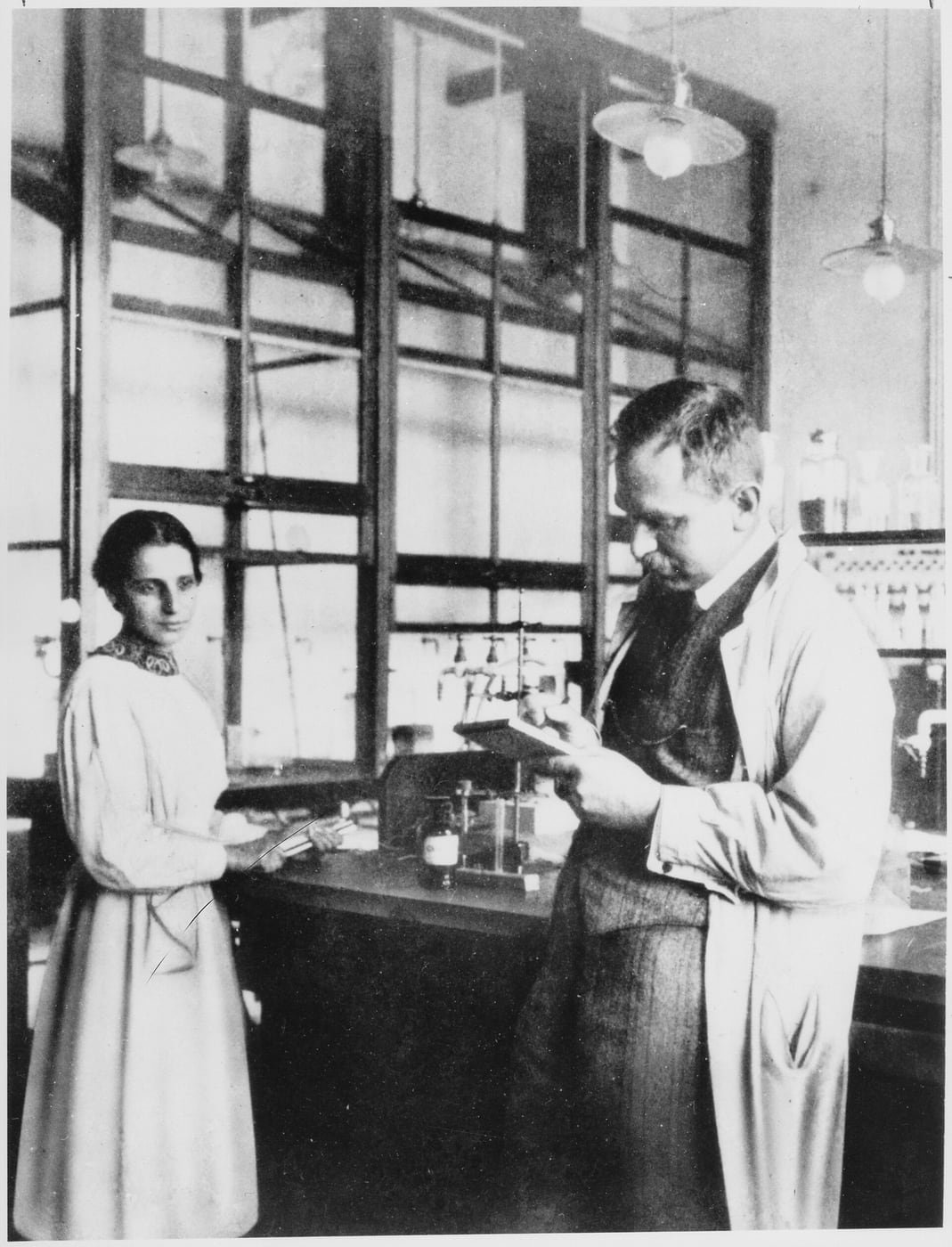
Demonstrated the fission of uranium in Dahlem in December 1938. The prize was announced in November 1945, to him alone; Lise Meitner, who explained the result from exile in Sweden, was not named.
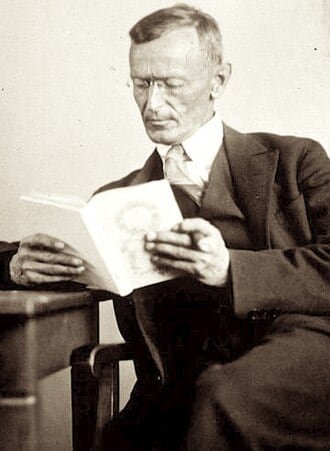
Literature 1946
no institution recorded
Swiss by choice from 1924, in protest at German militarism; the Foundation counts him under Germany by birth. Der Steppenwolf (1927) and Das Glasperlenspiel (1943).


Peace 1971
Chancellor; Mayor of West Berlin 1957–66
Chancellor from 1969. Cited 'for paving the way for a meaningful dialogue between East and West'. In December 1970 he knelt at the Warsaw Ghetto memorial.
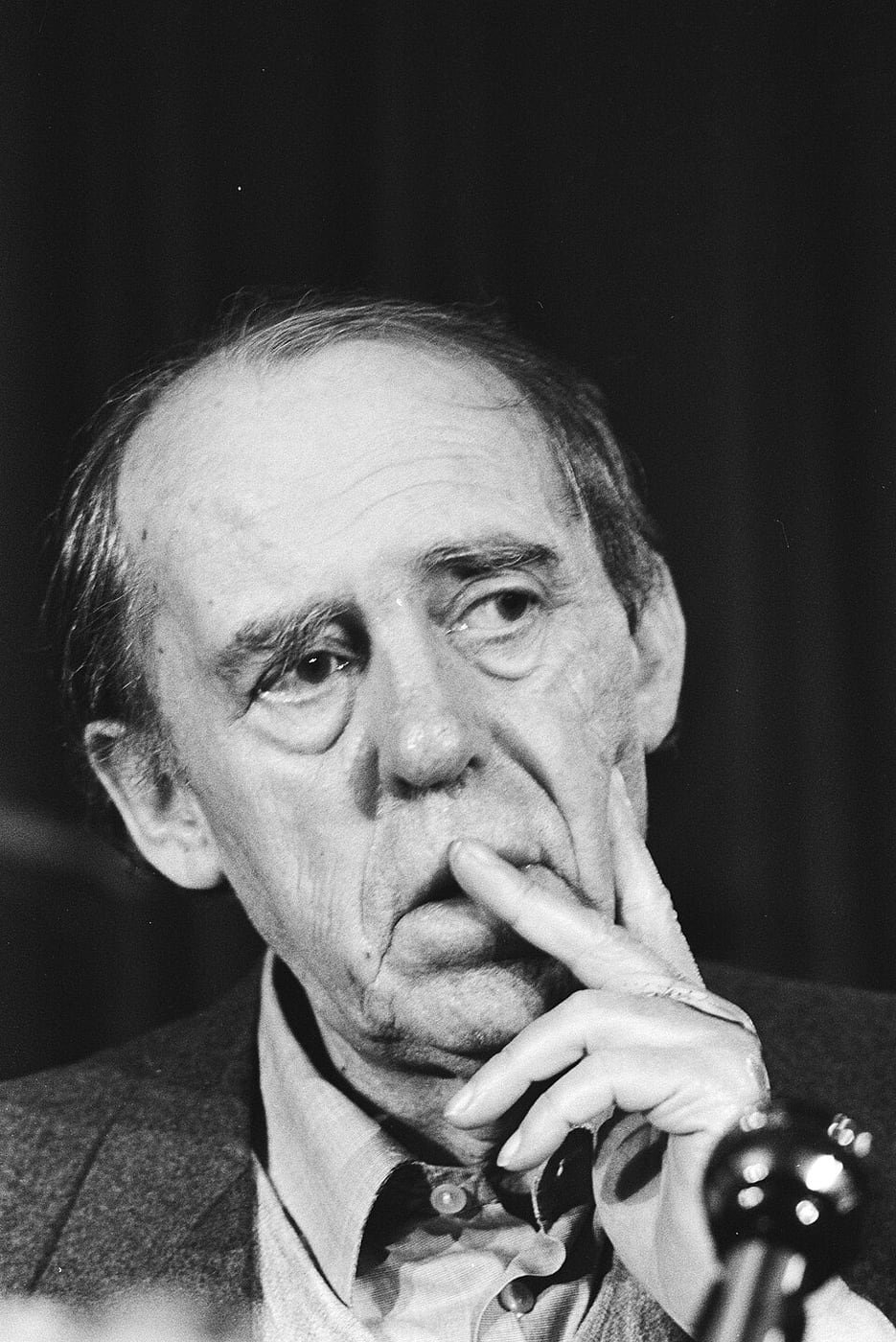
Literature 1972
no institution recorded
The conscience of West German letters after 1945: Billard um halb zehn (1959), Die verlorene Ehre der Katharina Blum (1974). President of PEN International 1971–74.
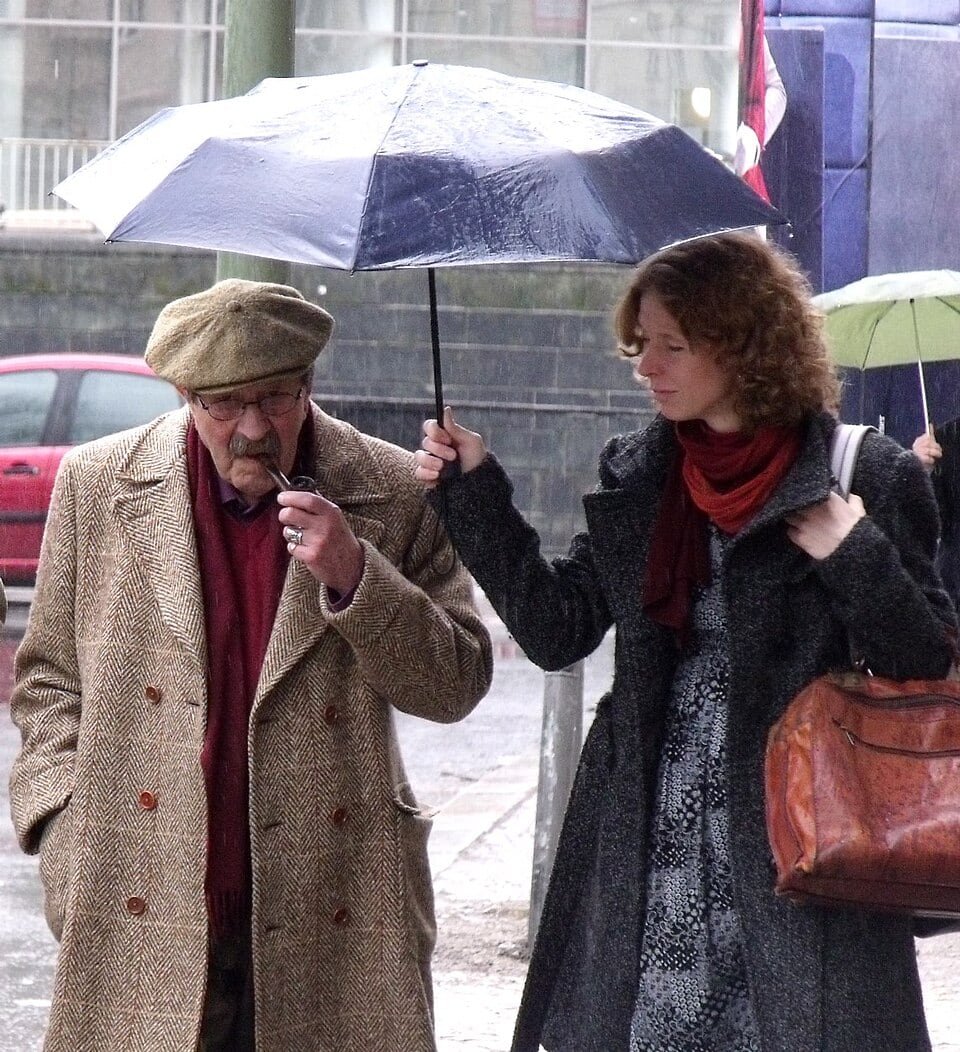
Literature 1999
no institution recorded
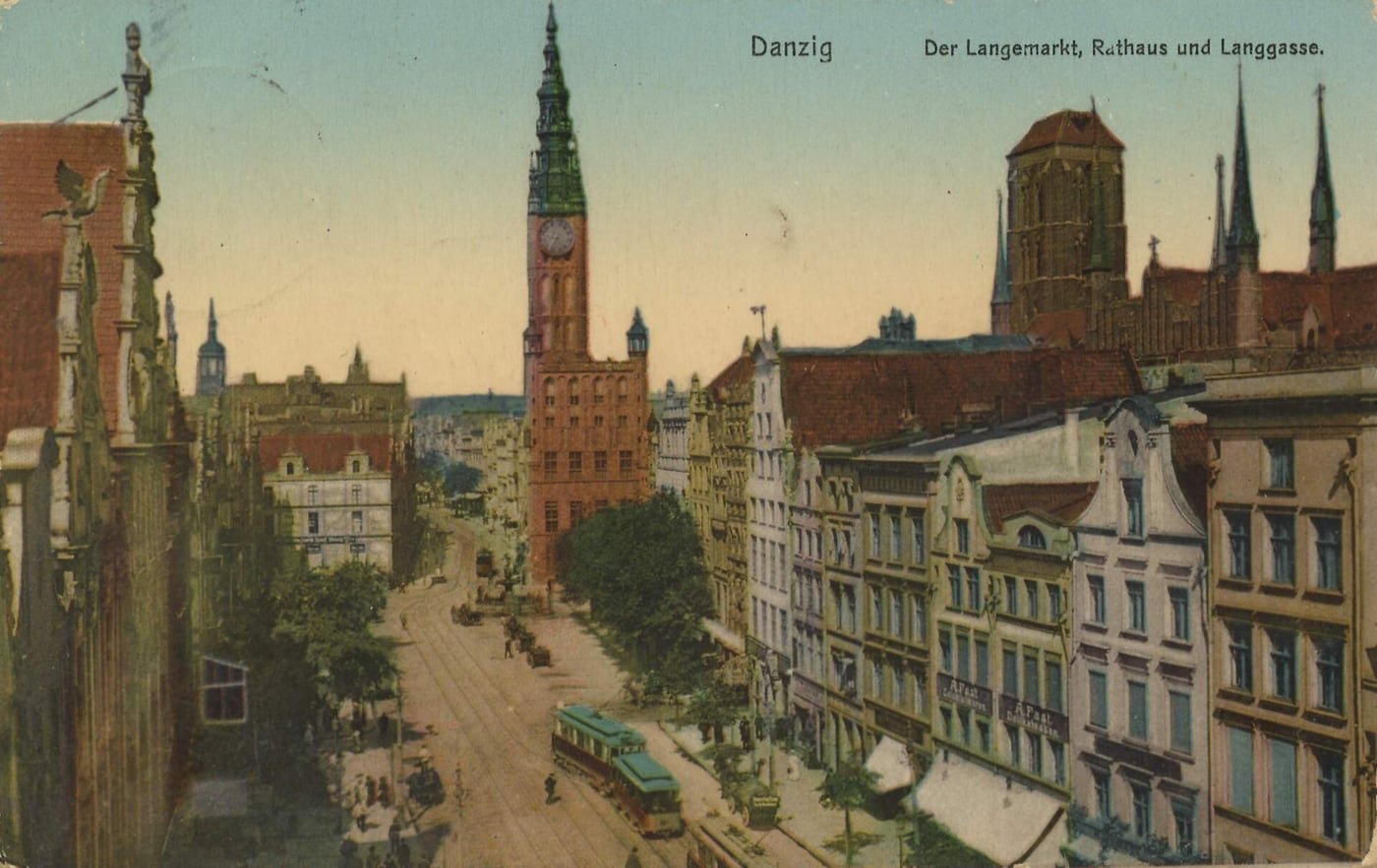
Die Blechtrommel (1959) gave post-war German literature a language for the Nazi past. Born in the Free City of Danzig — today Gdańsk — he is on neither of the Foundation's lists. In 2006 he disclosed his teenage conscription into the Waffen-SS.
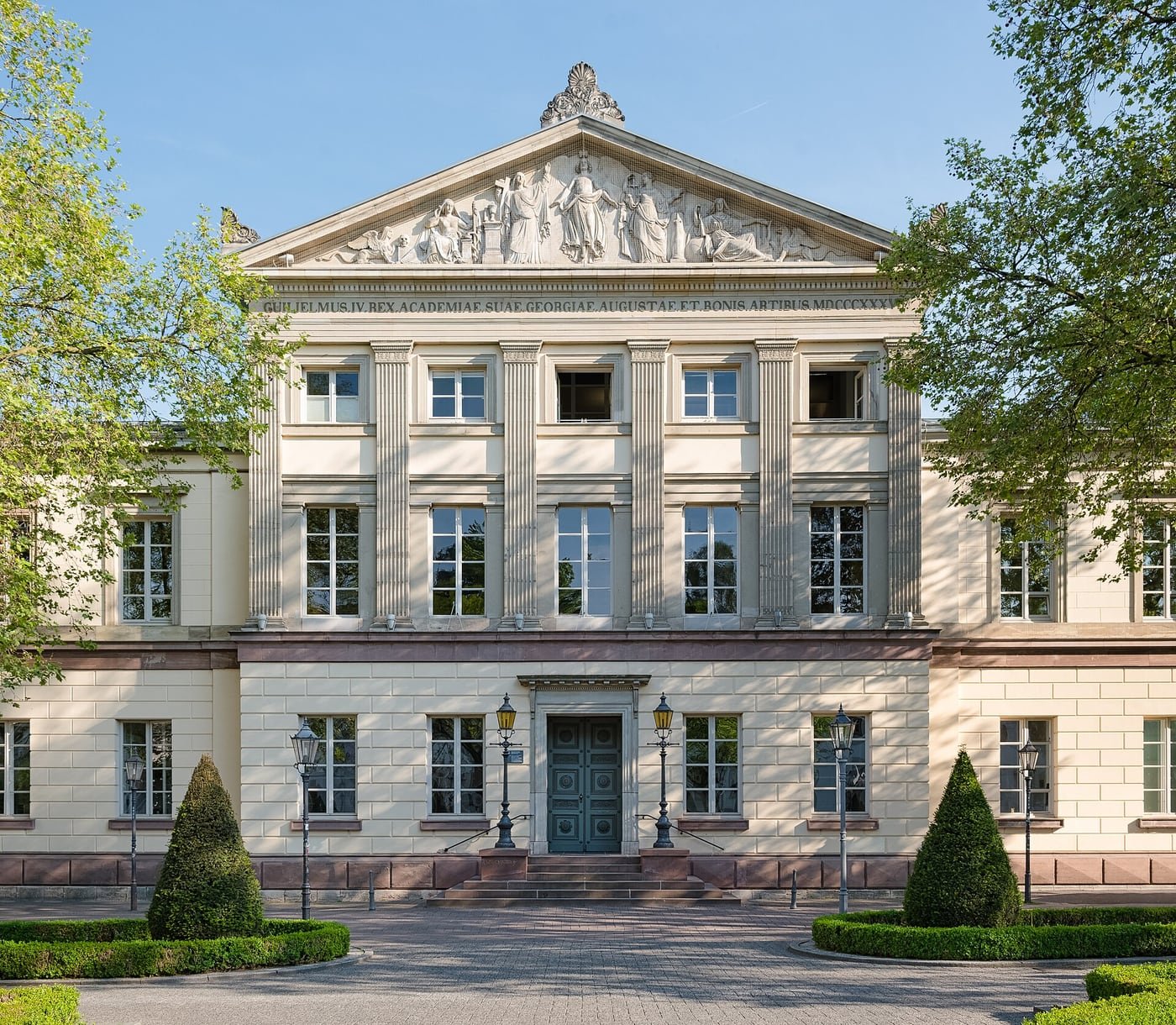
04Berlin, Göttingen, Munich, Heidelberg
Under the regime Berlin still took four of seven. Since 1946 it has taken three of thirty-four, and none at all between Otto Hahn in 1944 and Ernst Ruska in 1986. Munich, with eight, and Heidelberg, with five, are where the post-war prizes went.
When Ernst Ruska’s prize for physics came in 1986, the Nobel Foundation recorded it to the Fritz-Haber-Institut der Max-Planck-Gesellschaft — the Dahlem institute from which Fritz Haber had been forced out in 1933, now bearing his name.
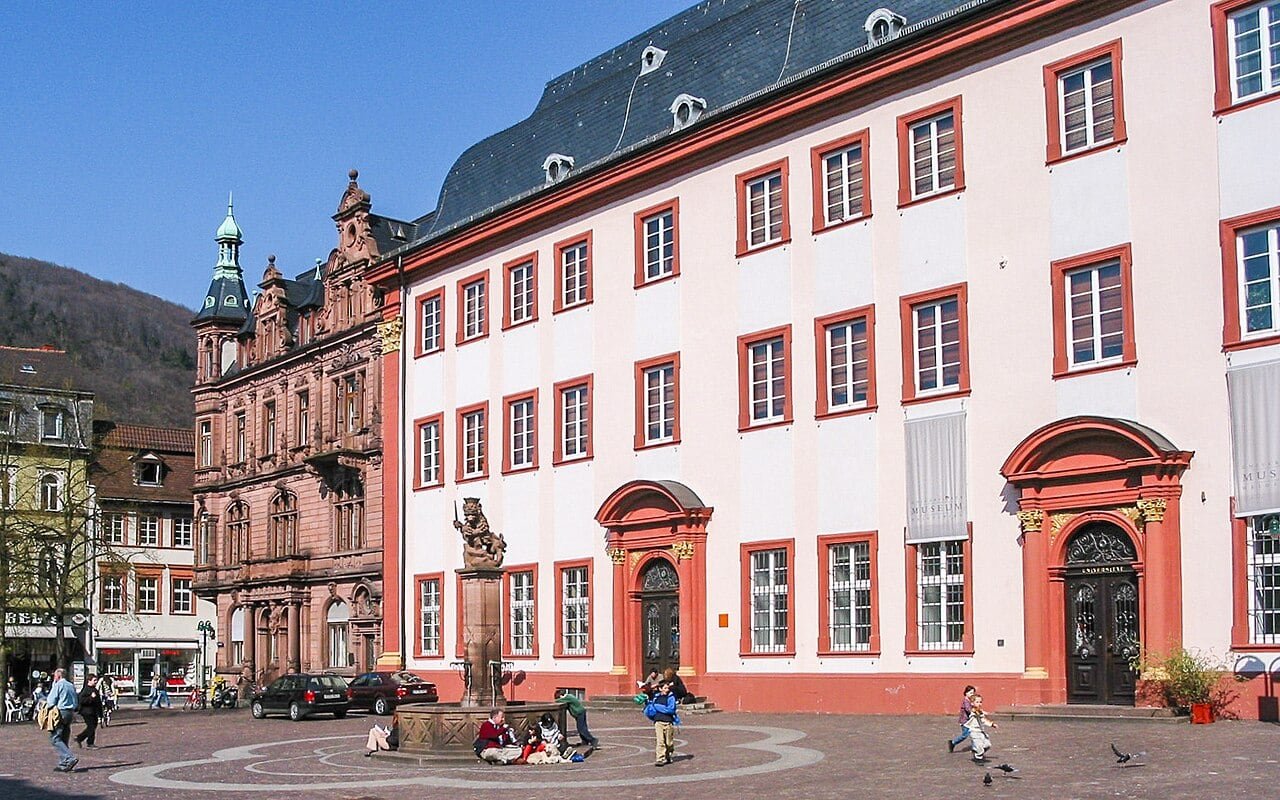
Every German science prize by the city of the laboratory, 1901–2023



05Born here, working here
The Nobel Foundation records where a laureate was born and where they worked when the prize came; it records no citizenship.
One dot for each prize: tap a dot for the laureate
Emil von Behring · Medicine 1901 · working in Germany, born in Prussia (now Poland)
Seventy-four prizes went to people working in Germany, eighty-four to people born inside today's borders, and only forty-eight are both.
Fritz Haber and Paul Ehrlich were born in Prussian towns that are now Polish; twenty-four German-born laureates, from Hans von Euler-Chelpin in 1929 to John B. Goodenough in 2019, were at work abroad when their prize came. Günter Grass, born in the Free City of Danzig, is on neither list.
The 74 include one prize in economics, which the decade-by-decade table above does not count. The prizes for literature and peace have no laboratory: the Foundation records no institution for 12 of the German-born.


Top of the table in 1901–10, 1911–20, 1921–30 and 1931–40. Third in 1941–50, and no higher than second in any decade since.
The prizes kept coming for a while after 1933, for work done before it. Then the lead was gone, and it has not come back.
Press & citation
Free to publish under CC BY 4.0 — in print, online, on Wikipedia and in teaching, commercially or not — with credit to Berlinfographics and a link to this page.

Ready-to-use image
The infographic as one image: headline, key figures, chart, sources and credit, 2,400 × 1,350 px PNG. Please use it unedited.
Download landscape (PNG)
Square format
A 1:1 version for social media and narrow columns, 1,800 × 1,800 px.
Download square (PNG)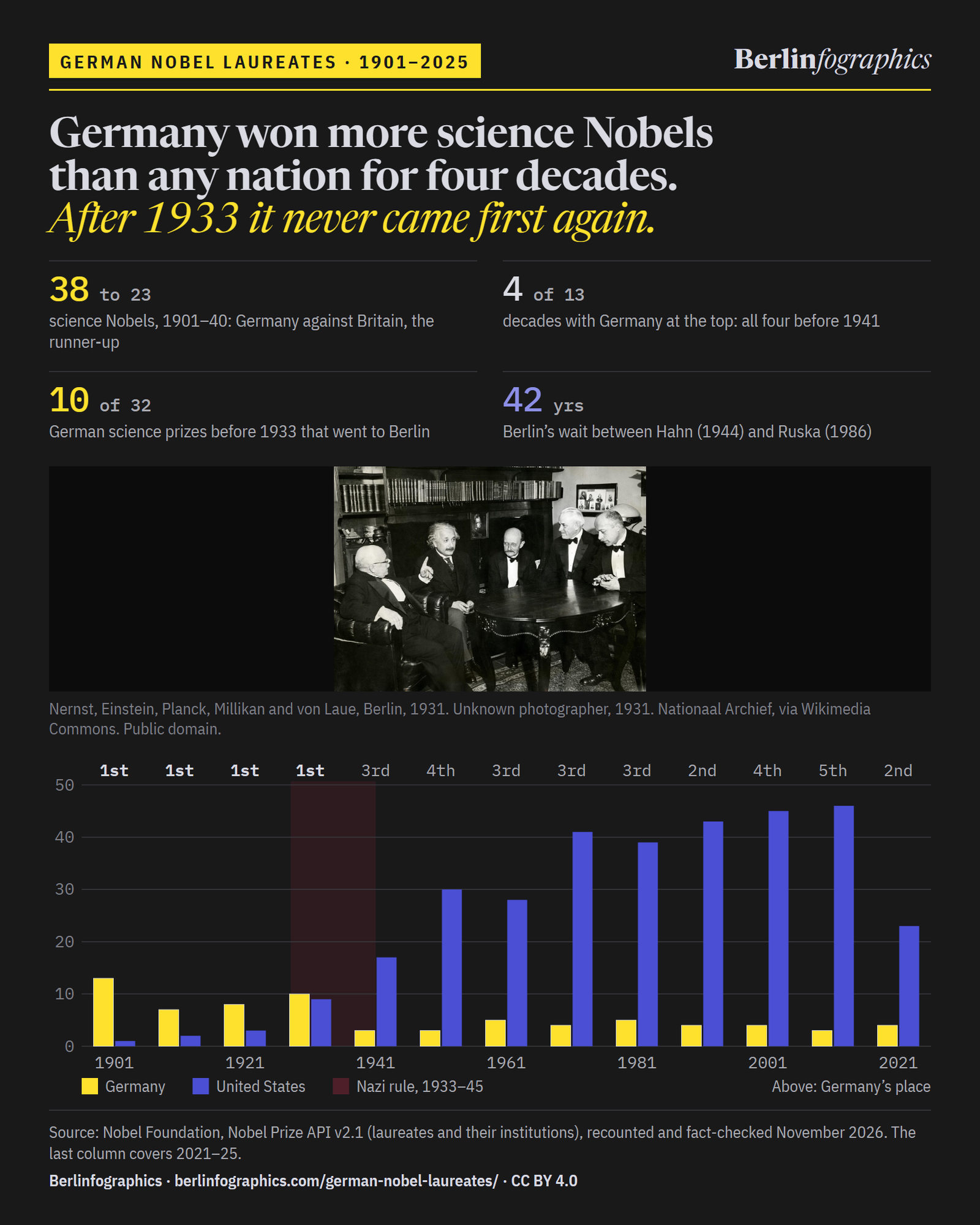
Portrait 4:5
For Instagram and LinkedIn feeds, 1,620 × 2,025 px.
Download portrait (PNG)Credit line
Berlinfographics (berlinfographics.com), CC BY 4.0
Citation
Berlinfographics (2026). “German Nobel laureates: the forty years Germany led the science prizes, 1901–2025”. Berlin Experiences. https://berlinfographics.com/german-nobel-laureates/
Wikipedia
{{cite web |title=German Nobel laureates: the forty years Germany led the science prizes, 1901–2025 |url=https://berlinfographics.com/german-nobel-laureates/ |website=Berlinfographics |publisher=Berlin Experiences |date=2026-11-06 |access-date=2026-11-06}}
Our infographics, charts and texts are licensed CC BY 4.0: free to republish, including commercially, with credit to Berlinfographics and a link. Photographs keep their own licences, named in each caption. How to credit
Topics: The Second World War · Cold War Berlin · Nazi Berlin · Persecution & the Holocaust · Weimar Berlin · Prussia & the Kaiserreich · Architecture & the built city · Culture, science & society · Reunified Berlin · Unusual facts
Contact: info@berlinfographics.com · Press: press@berlinfographics.com · Imprint · Privacy