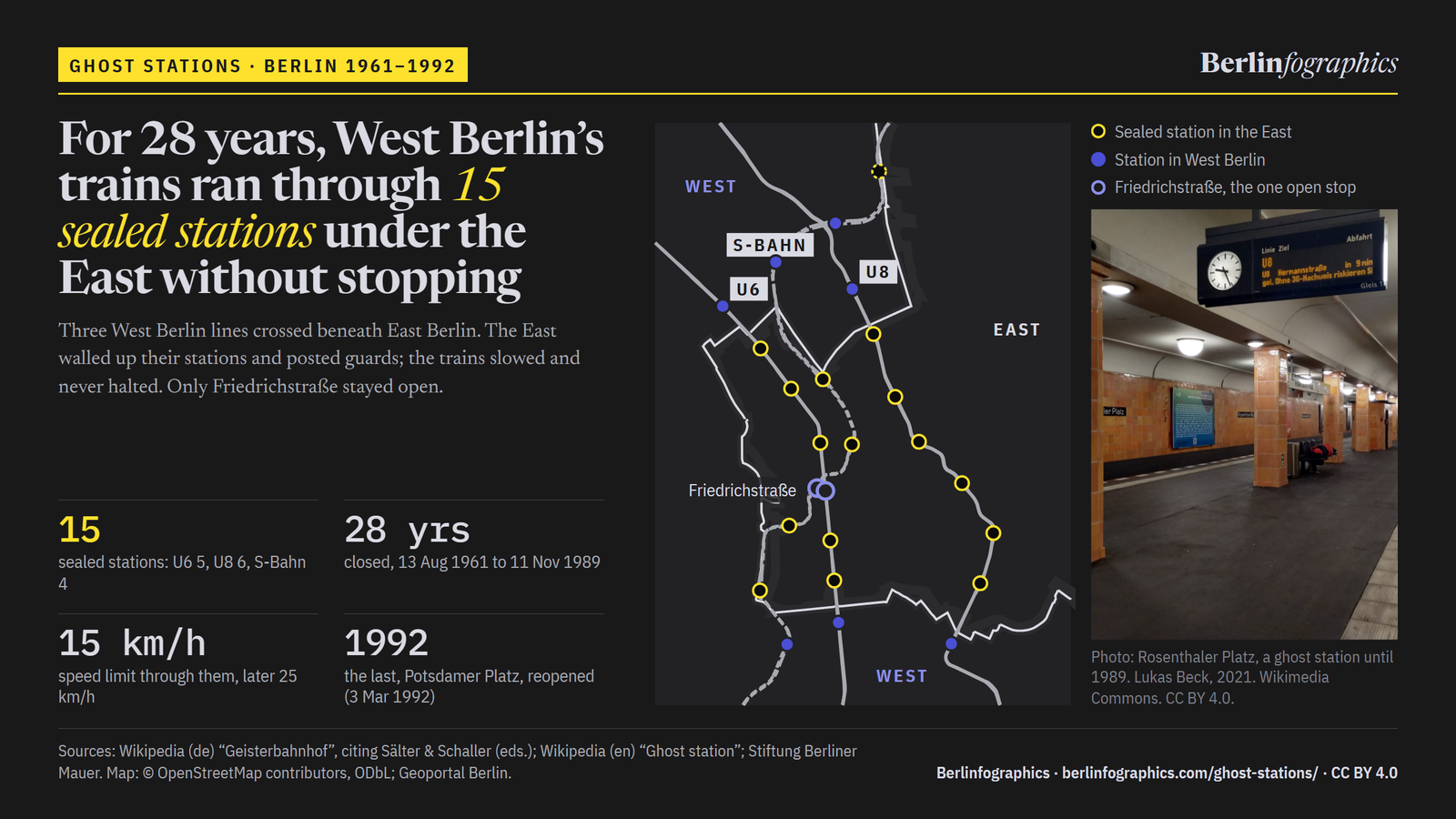
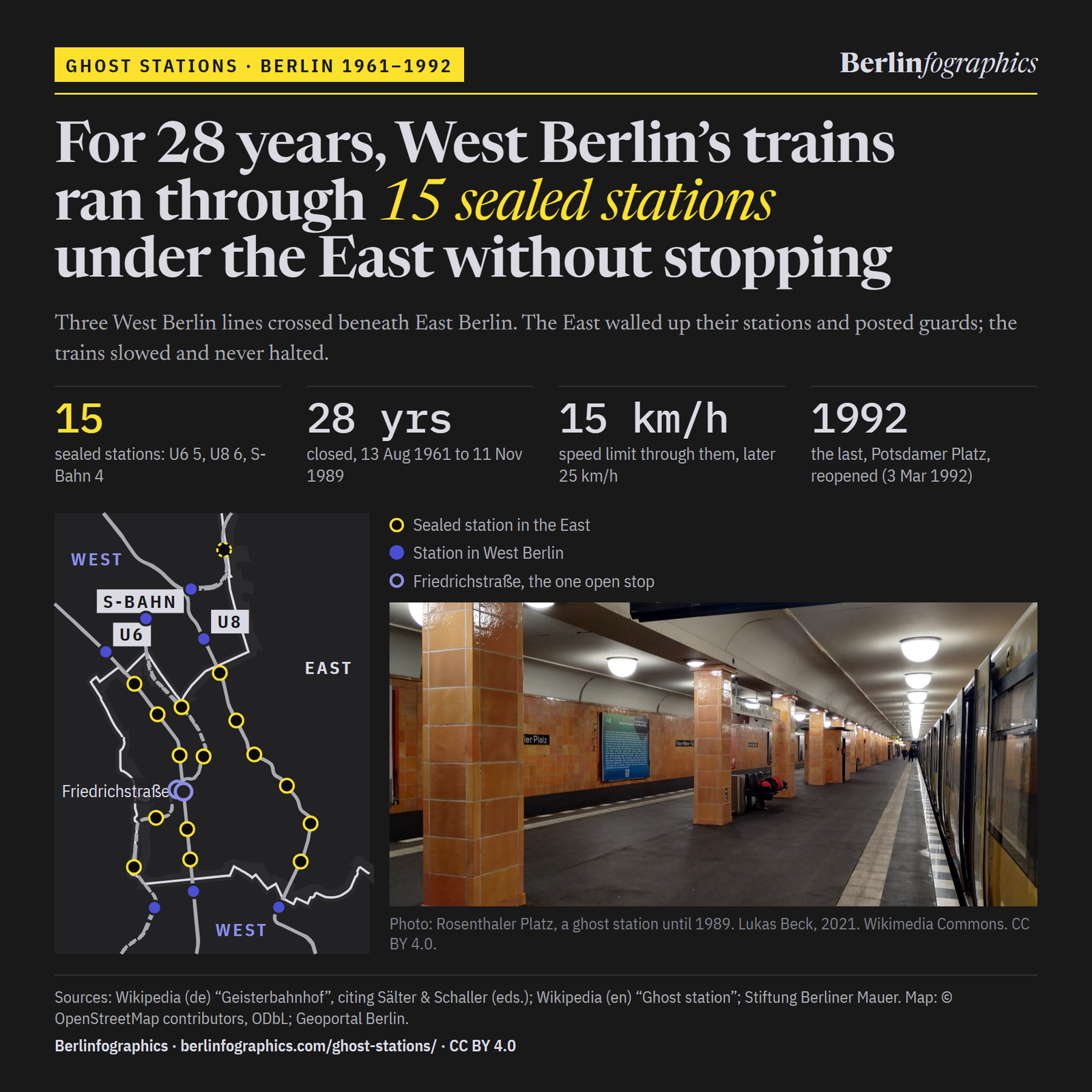
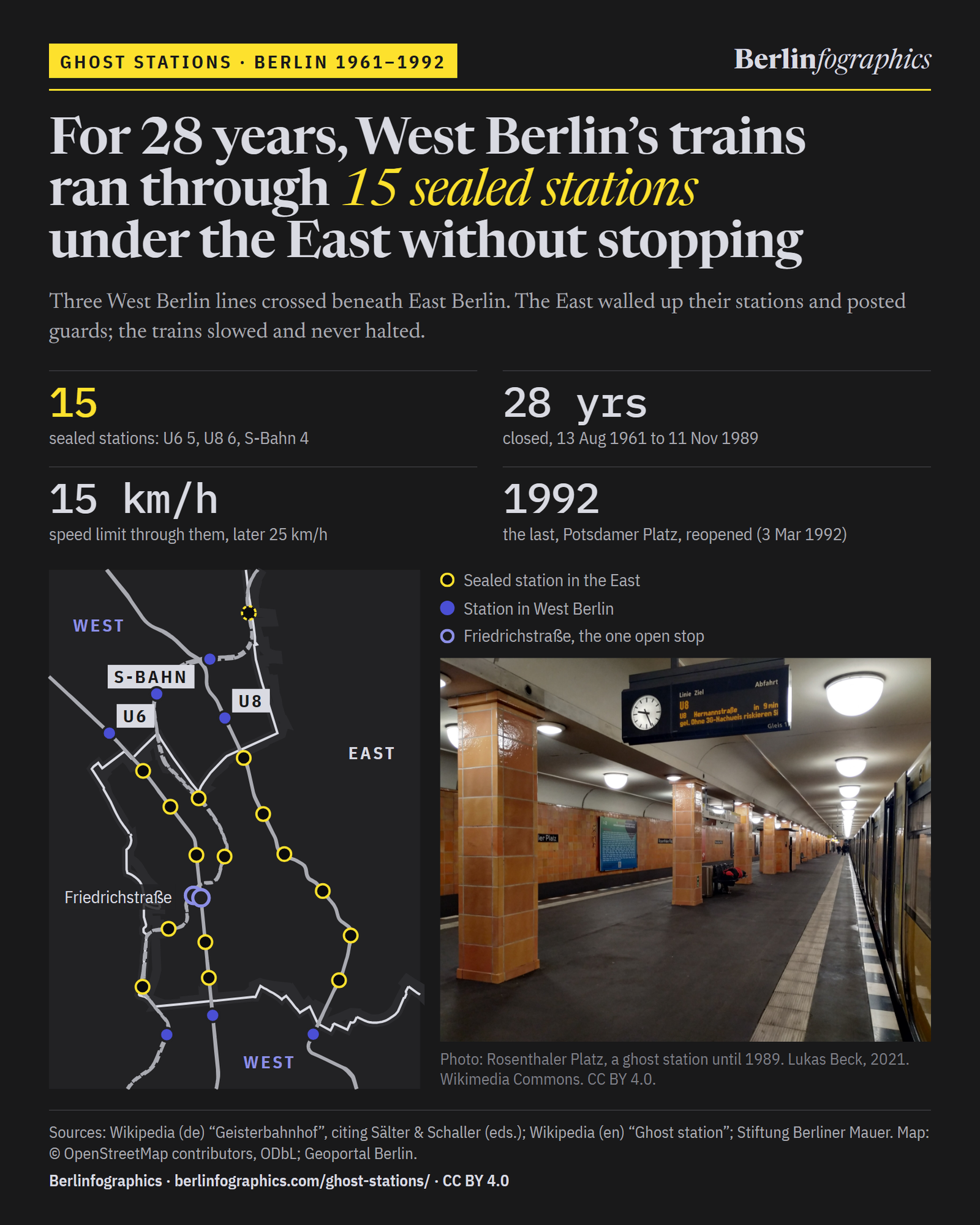
Rosenthaler Platz on the U8, 2021. For 28 years West Berlin trains ran through this platform without stopping.Photo: Lukas Beck, 2021. Wikimedia Commons. CC BY 4.0.
The ghost stations
When the Wall went up, three West Berlin lines still crossed beneath East Berlin. The East walled up their stations there and posted guards on the platforms. The trains slowed, and never halted.
0113 August 1961
Three lines ran from West Berlin, under the centre of the East and back into the West: the U-Bahn lines C and D, today’s U6 and U8, and the north–south S-Bahn tunnel. West Berlin’s BVG ran the trains, but the tracks, tunnels and stations in the East belonged to the East.
On 13 August 1961, the night the border was sealed, those stations were closed between 1 and 4 a.m., in the nightly break in service. When the trains started again they stopped in the East only at Friedrichstraße.
The trains kept running. The stations disappeared.

Central Berlin: the Wall and three West Berlin lines
Track and stations: © OpenStreetMap contributors, ODbL. The Wall: Geoportal Berlin, 1989 survey.
Before the Wall
The U6 and U8 ran north–south beneath the eastern district of Mitte; the S-Bahn tunnel ran beside them. Each began and ended in the West. On the map, the white line is the Wall as surveyed in 1989, along the border drawn on the first night.
13 August 1961
On the U6, 5 stations; on the U8, 6; on the S-Bahn tunnel, 4. One more, Bornholmer Straße, lay above ground on the S-Bahn: the only ghost station above ground; West trains ran through without stopping.
Every day, for decades
West Berlin trains passed through the sealed platforms at 15 km/h. The limit was later raised to 25 km/h, after an East German policeman tried to jump onto a moving train.
On the platforms
Border troops held the last station before the border at each end of every line: Stadion der Weltjugend, Stadtmitte, Nordbahnhof, Potsdamer Platz, Bernauer Straße, Heinrich-Heine-Straße. Transport police held the rest. Some watched the platforms through slits from the mezzanine; light barriers were added on some platforms later.
The exceptions
Friedrichstraße stayed open to Westerners as an interchange and border crossing. At Stadtmitte and Alexanderplatz only the West line’s platform was sealed; the East’s own lines kept running beside it.
11 Nov 1989 – 22 Dec 1989
11 November 1989: Jannowitzbrücke (U8), two days after the Wall opened, with an East German passport control on the mezzanine. 22 December 1989: Rosenthaler Platz (U8), also with a passport control.
12 Apr 1990 – 1 Jul 1990
12 April 1990: Bernauer Straße (U8), north exit only, straight into the West. 1 July 1990: every remaining U6 and U8 station — currency union day, when border controls ended.
2 Jul 1990 – 12 Dec 1990
2 July 1990: Oranienburger Straße, the first on the S-Bahn. 1 September 1990: Unter den Linden and Nordbahnhof (S-Bahn). 12 December 1990: Bornholmer Straße.
3 March 1992
3 March 1992: Potsdamer Platz, the last, after the whole north–south tunnel was restored.
02Behind the walls
Entrances walled up, some levelled so they could not be seen from the street; most emergency exits welded shut.
At Alexanderplatz the sealed U8 platform vanished behind a wall made to look like the station’s other finishes. The East’s own lines through the station, the U2 and U5, kept running; only the noise of trains passing behind it showed that a platform was there.
These photographs of Rosenthaler Platz were taken in December 1989, days before it became the second ghost station to reopen.
Every station the trains passed without stopping
Stadion der Weltjugendtoday Schwartzkopffstraße
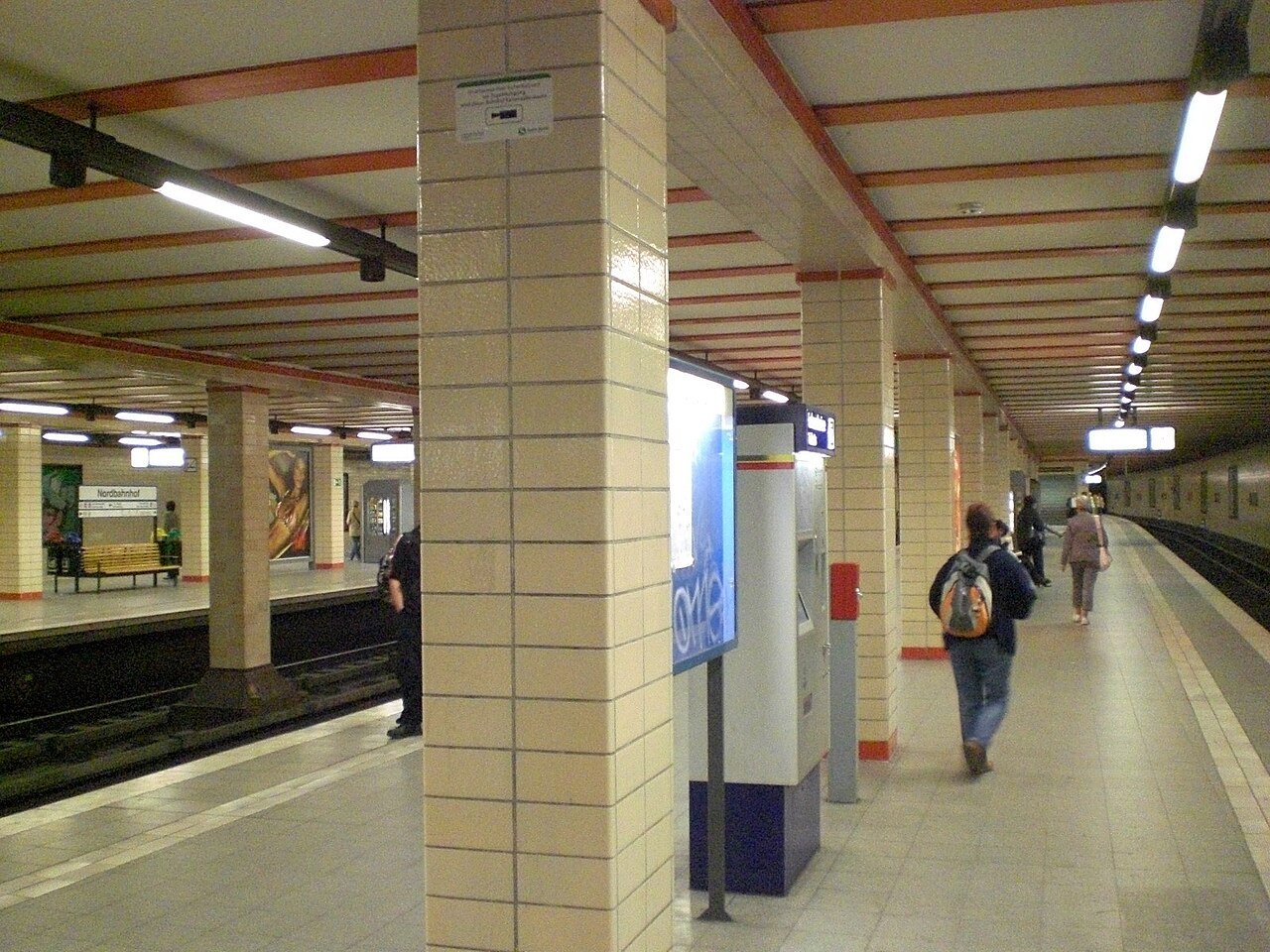
Nordbahnhoftoday Naturkundemuseum
Oranienburger Tor
Französische Straße
Stadtmitte
Bernauer Straße
Rosenthaler Platz
Weinmeisterstraße
Alexanderplatz
Jannowitzbrücke
Heinrich-Heine-Straße
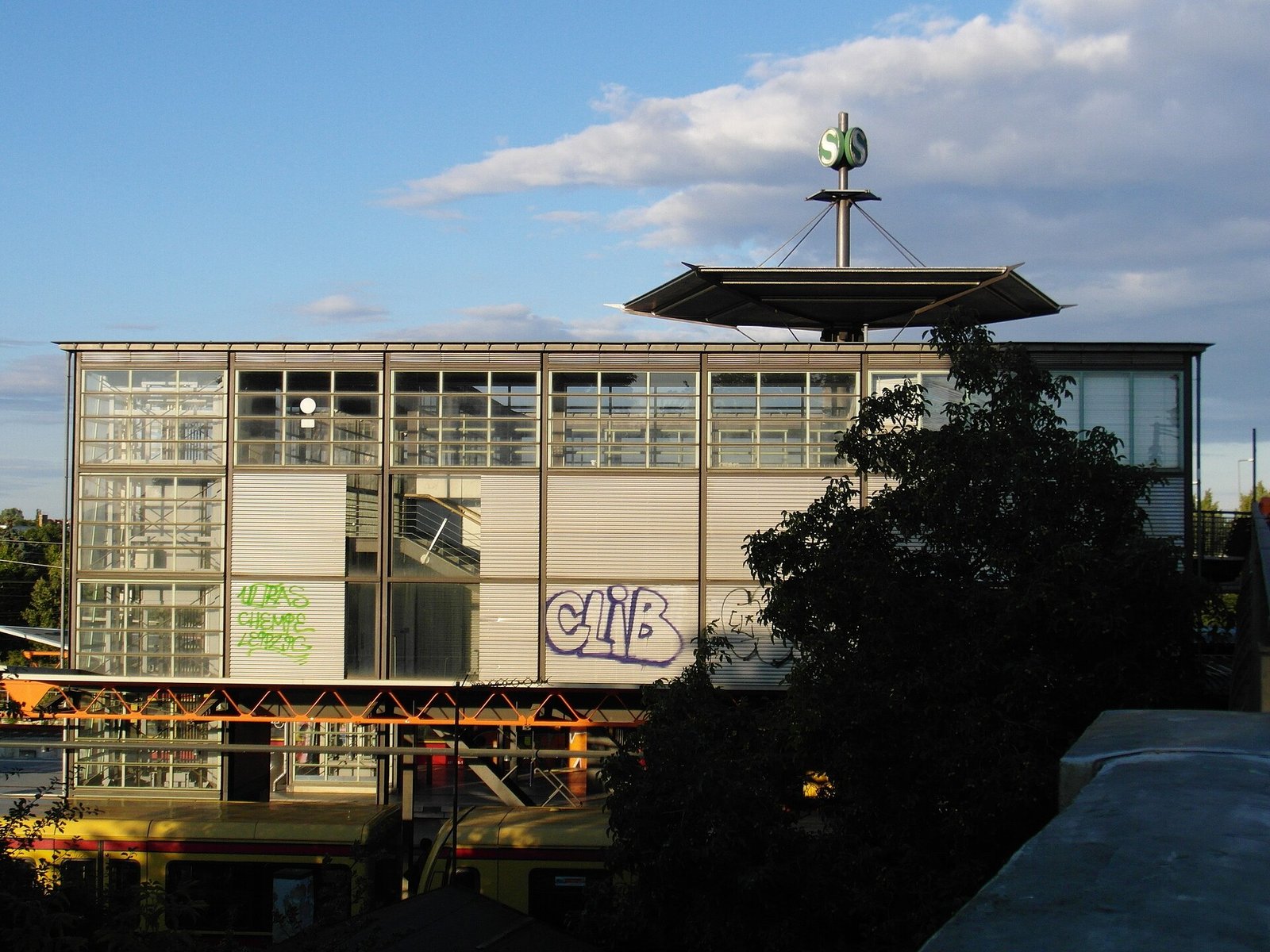
Bornholmer Straßeabove ground
Nordbahnhof
Oranienburger Straße
Unter den Lindentoday Brandenburger Tor
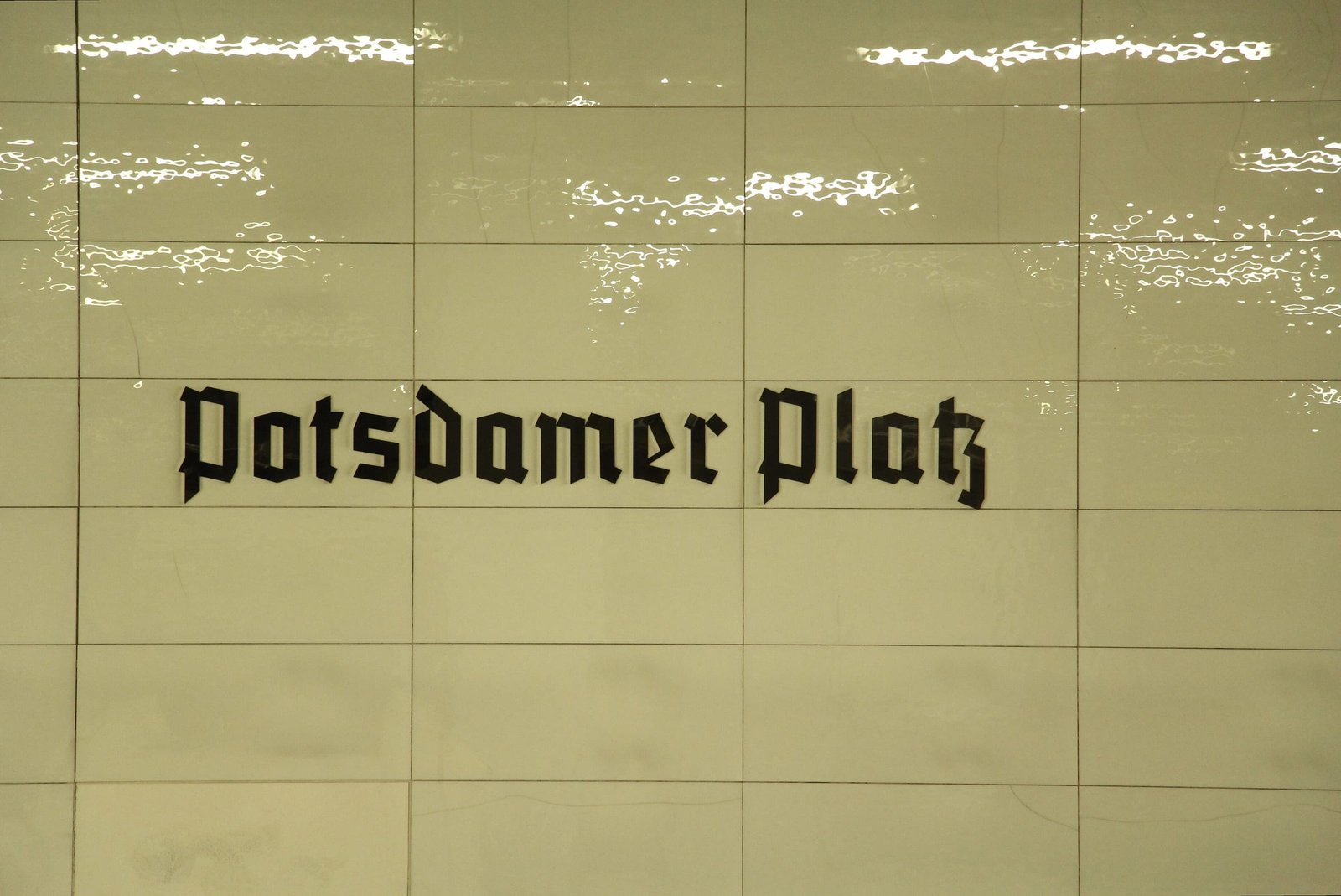
Potsdamer Platz5 + 6 + 4 = 15 in the tunnels, 16 with Bornholmer Straße
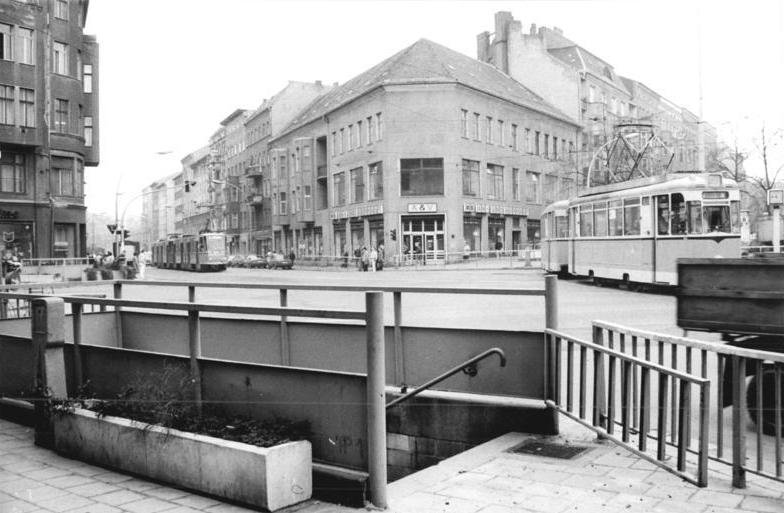
Station photographs, then and now: Stadion der Weltjugend, 2004: Jcornelius, 2004. Wikimedia Commons. CC BY-SA 3.0. · Nordbahnhof, 2009: Alankomaat, 2009. Wikimedia Commons. CC BY-SA 3.0. · Oranienburger Tor, 2007: Russell Trow, 2007. Wikimedia Commons. CC BY 2.0. · 1961: Willy Pragher, 1961. Landesarchiv Baden-Württemberg, Staatsarchiv Freiburg, W 134 Nr. 009575. Wikimedia Commons. CC BY 4.0. · Stadtmitte, 2011: IngolfBLN, 2011. Wikimedia Commons. CC BY-SA 2.0. · Bernauer Straße, 1990: Bundesarchiv, Bild 183-1990-0412-010 / Uhlemann, Thomas / CC BY-SA 3.0 de · 1989: Bundesarchiv, Bild 183-1989-1220-301 / Grimm, Peer / CC BY-SA 3.0 de · Weinmeisterstraße, 2004: Jcornelius, 2004. Wikimedia Commons. CC BY-SA 3.0. · Alexanderplatz, 2012: IngolfBLN, 2012. Wikimedia Commons. CC BY-SA 2.0. · Jannowitzbrücke, 1989: Bundesarchiv, Bild 183-1989-1111-007 / Roeske, Robert / CC BY-SA 3.0 de · Heinrich-Heine-Straße, 2012: IngolfBLN, 2012. Wikimedia Commons. CC BY-SA 2.0. · Bornholmer Straße, 2012: IngolfBLN, 2012. Wikimedia Commons. CC BY-SA 2.0. · Nordbahnhof, 2008: Bukk, 2008. Wikimedia Commons. Public domain. · Oranienburger Straße, 2012: IngolfBLN, 2012. Wikimedia Commons. CC BY-SA 2.0. · Unter den Linden, 2012: IngolfBLN, 2012. Wikimedia Commons. CC BY-SA 2.0. · Potsdamer Platz, 2016: Fred Romero from Paris, France, 2016. Wikimedia Commons. CC BY 2.0.


The two halves of the city drew them differently. East Berlin’s maps left the stations out altogether. West Berlin’s maps kept them, marked with a warning:
03The one exception
Friedrichstraße was not a ghost station. In a sealed-off western section, passengers changed between the U6, the north–south S-Bahn and the Stadtbahn without passport control, and Intershops sold them duty-free spirits and cigarettes.
It was also a border crossing. In 1962 a hall was built on the forecourt where travellers leaving for the West were cleared. Berliners called it the Tränenpalast, the “palace of tears”.


04The long dark
Each band below is one of the 16 stations, drawn on true time from the night they closed to the day each reopened.


Jannowitzbrücke reopened first, 11 November 1989, with an East German passport control on the mezzanine. On 1 July 1990, currency-union day, border controls ended and every remaining U6 and U8 station opened at once. Potsdamer Platz had to wait until the whole north–south tunnel was restored.
05Berlin today
Several carry new names: Stadion der Weltjugend is now Schwartzkopffstraße, Nordbahnhof on the U6 is now Naturkundemuseum. Französische Straße was closed again for good in 2020, replaced by Unter den Linden. In the passages of the Nordbahnhof S-Bahn station, the Stiftung Berliner Mauer’s exhibition tells the story of the border stations and ghost stations of the divided city.


For 28 years, West Berliners rode under the East, past guarded platforms where no train was allowed to stop.
Press & citation
Free to publish under CC BY 4.0 — in print, online, on Wikipedia and in teaching, commercially or not — with credit to Berlinfographics and a link to this page.
Ready-to-use image
The infographic as one image: headline, key figures, chart, sources and credit, 2,400 × 1,350 px PNG. Please use it unedited.
Download landscape (PNG)
Square format
A 1:1 version for social media and narrow columns, 1,800 × 1,800 px.
Download square (PNG)
Portrait 4:5
For Instagram and LinkedIn feeds, 1,620 × 2,025 px.
Download portrait (PNG)Credit line
Berlinfographics (berlinfographics.com), CC BY 4.0
Citation
Berlinfographics (2026). “Berlin’s ghost stations, 1961–1992”. Berlin Experiences. https://berlinfographics.com/ghost-stations/
Wikipedia
{{cite web |title=Berlin’s ghost stations, 1961–1992 |url=https://berlinfographics.com/ghost-stations/ |website=Berlinfographics |publisher=Berlin Experiences |date=2026-11-05 |access-date=2026-11-05}}
Our infographics, charts and texts are licensed CC BY 4.0: free to republish, including commercially, with credit to Berlinfographics and a link. Photographs keep their own licences, named in each caption. How to credit
Topics: The Second World War · Cold War Berlin · Nazi Berlin · Persecution & the Holocaust · Weimar Berlin · Prussia & the Kaiserreich · Architecture & the built city · Culture, science & society · Reunified Berlin · Unusual facts
Contact: info@berlinfographics.com · Press: press@berlinfographics.com · Imprint · Privacy