The Potato KingPrussia · Friedrich II
On 9 April 1746 the king ordered potatoes grown in Pomerania, where a famine was raging. People who had never seen the tubers met them with wonder and rejection, and threw them to the dogs, which would not eat them either. The “Potato King” of legend was painted 100 years after his death. In 2023/24 Germans ate 63.5 kg of potatoes each.
Scroll through the orders
Robert Warthmüller, “Der König überall” (“The king everywhere”), 1886: the king inspects the potato harvest. Deutsches Historisches Museum, Berlin.Robert Warthmüller, 1886. Wikimedia Commons. Public domain.
01Pomerania, 9 April 1746
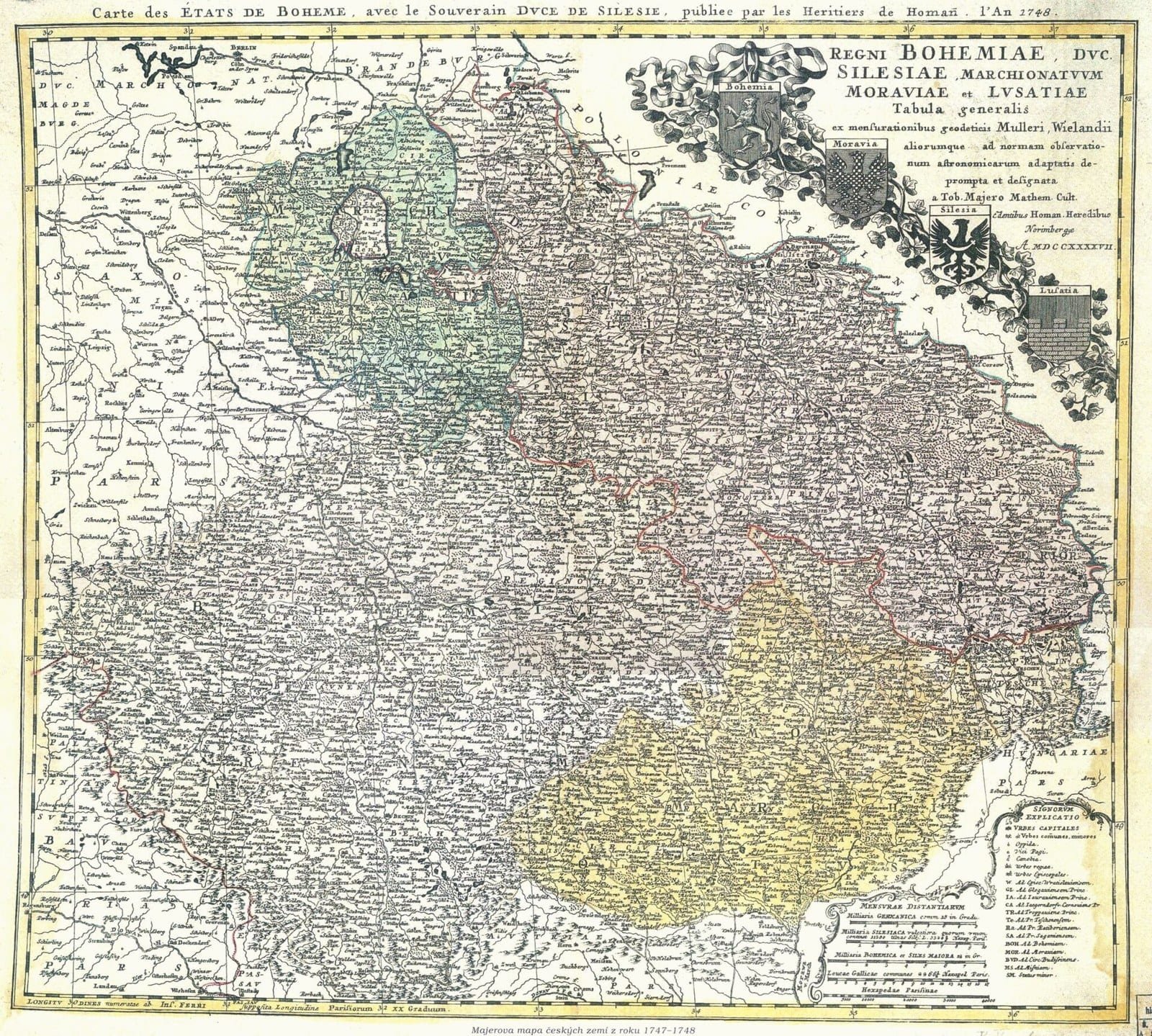
9 April 1746: To meet the famine raging there, it urged townspeople and farmers with land to grow potatoes against the bread shortage.
It is the earliest of the 15 potato orders of Friedrich II that the Deutsches Historisches Museum counts as surviving — the first of the “Kartoffelbefehle”, the “potato orders”.
“Daß zu Abhelfung des Brodt-Mangels der Bürger und Bauer …”
The order’s opening words: “That, to remedy the shortage of bread, the townsman and the farmer …” — it urged townspeople and farmers with land to grow potatoes.

02The orders
15 orders
The Deutsches Historisches Museum counts 15 of his “Kartoffelbefehle” — orders to grow potatoes — that have come down to us. Each potato here is one of them.
Source: DHM, Blume (2026)
9 April 1746
To meet the famine raging there, it urged townspeople and farmers with land to grow potatoes against the bread shortage.
Source: DHM, Blume (2026)
9 April 1746
The first relief in Pomerania failed. People who had never seen such tubers met them with wonder and rejection, and threw them to the dogs, which would not eat them either.
Source: DHM, Blume (2026)
18 July 1748
Issued for the Brandenburg provinces; the document is now in the Brandenburgisches Landeshauptarchiv, Potsdam. It came 831 days after the order before it.
Source: DHM, Blume (2026) · BLHA, via the DHM
24 March 1756
A circular to district administrators and officials in Silesia, ordering them to watch whether farmers complied. It came 2,806 days after the order before it. Later orders came with instructions for use.
Source: Deutschland Museum
12 more
Of the 15 surviving orders, the three above are the ones whose dates and provinces are documented in the sources for this story. The other twelve are not placed on the line.
Source: DHM, Blume (2026)
17 August 1786
Friedrich II died on 17 August 1786, 40 years after his first potato order.
Source: SPSG
1886
100 years after his death, Robert Warthmüller’s “Der König überall” (“The king everywhere”) showed him at the potato harvest and made him the “Kartoffelkönig” — the Potato King — for good.
Source: DHM, Blume (2026)
2023/24
Germans ate 63.5 kg of potatoes per person in 2023/24 (provisional figures), the most in twelve years.
Source: BZL/BLE via top agrar

03The reception
The first relief in Pomerania failed. People who had never seen such tubers met them with wonder and rejection. Later orders came with instructions for use.
“Warfen sie schließlich den Hunden vor, die sie auch nicht fraßen.”
“In the end they threw them to the dogs, which would not eat them either.” — Dorlis Blume, Deutsches Historisches Museum


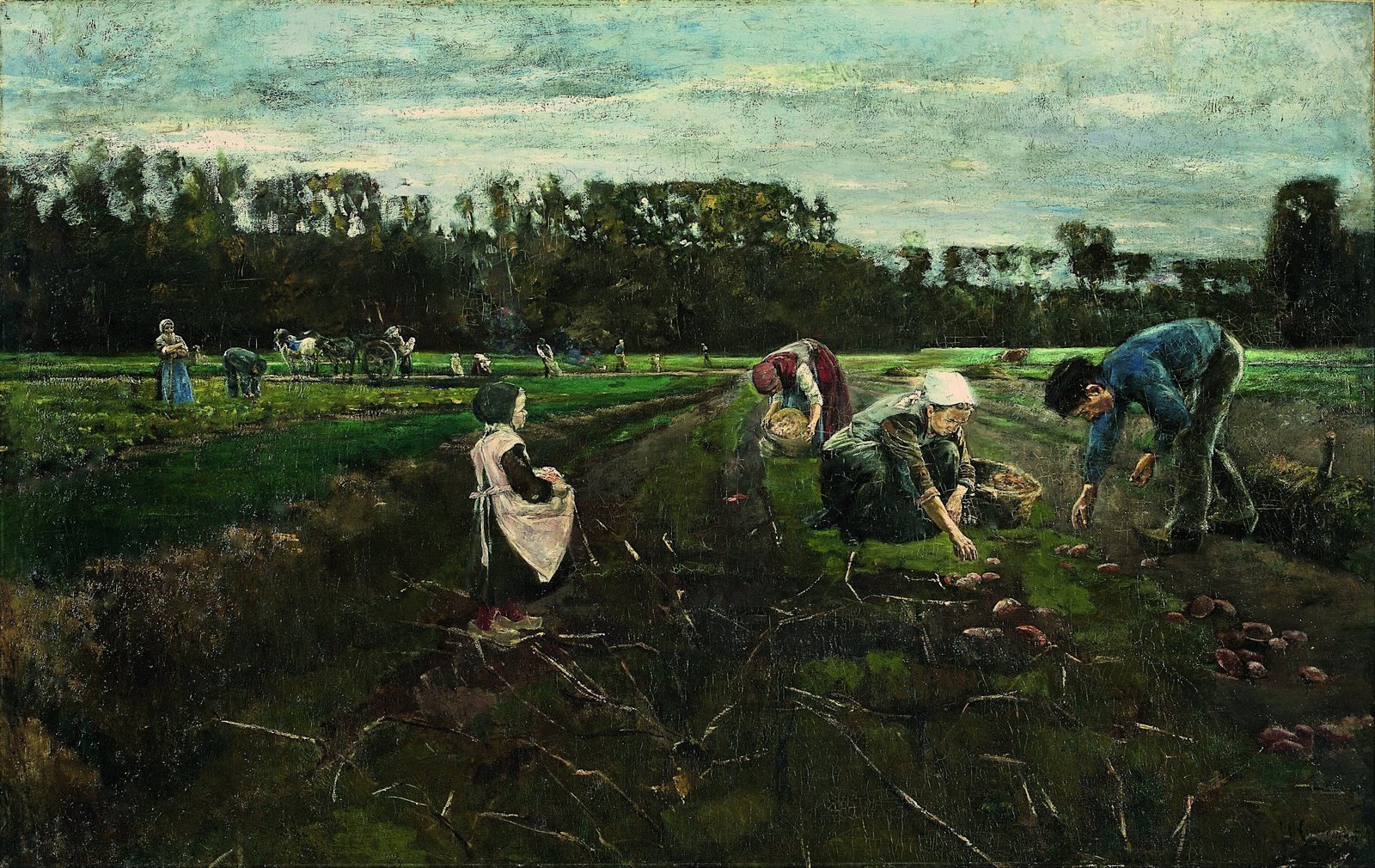
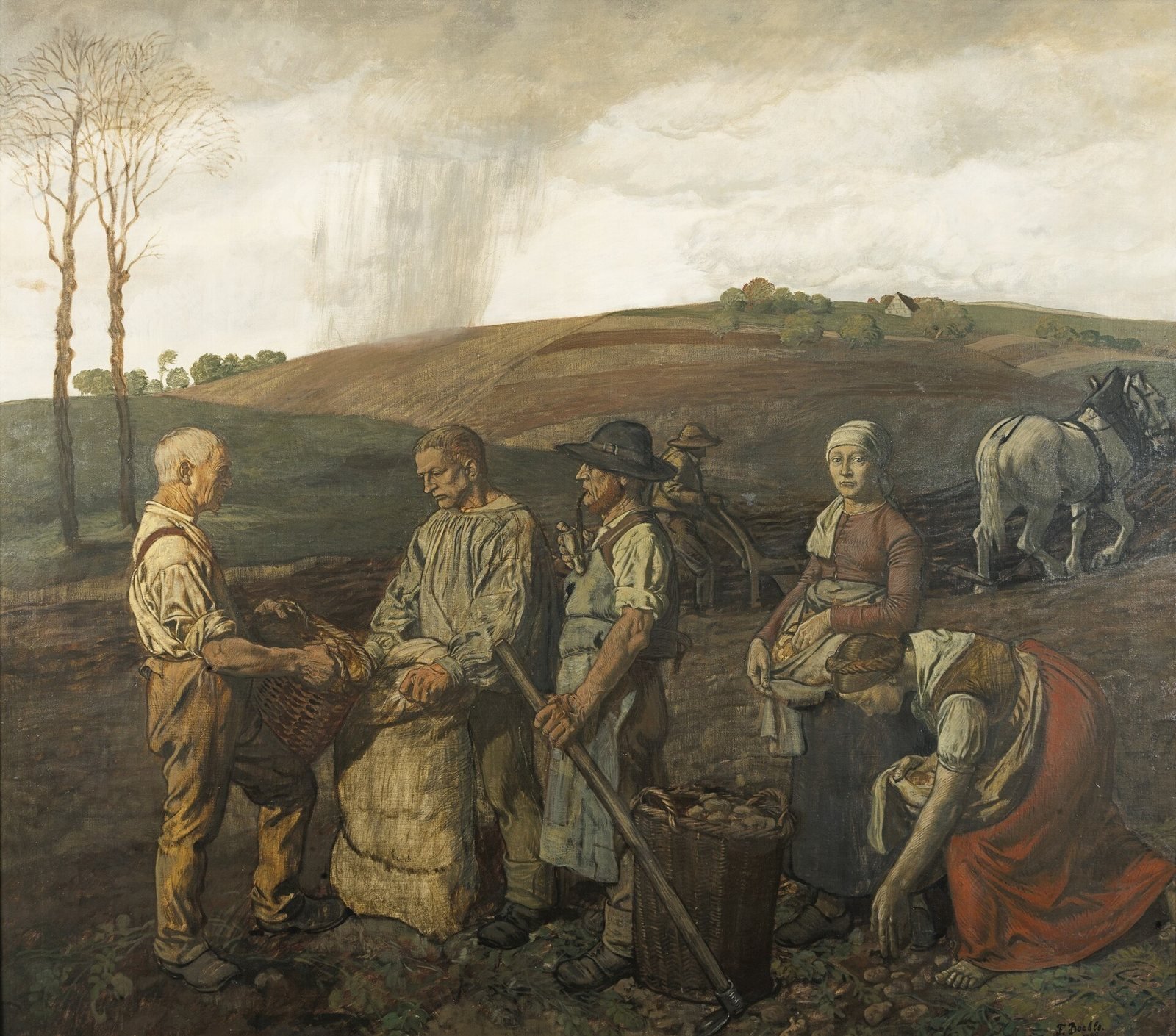
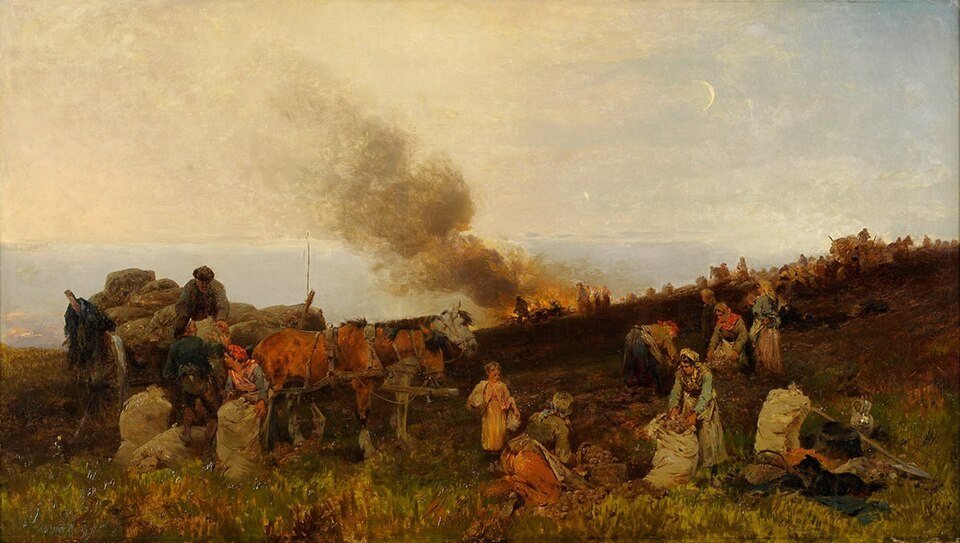
The crop the dogs refused became a painter’s subject. Max Liebermann painted the potato harvest in 1875, Emil Hallatz before his death in 1888, Fritz Boehle in 1899.
04Record and legend
The best-known potato story about Friedrich II — a field, its guards and the peasants — is not in his orders. It is first found in 19th-century popular literature, and the fact-check behind this page found no source that confirms it. What the documents do show is plainer: orders, dates, provinces — and dogs.
“The king had royal potato fields guarded, and told the guards to let peasants steal from them.”
Legend; not confirmed by any source checked. It is first found in 19th-century popular literature.
05Robert Warthmüller, 1886
In 1886, Robert Warthmüller painted “Der König überall” — “The king everywhere”. It shows Friedrich II at the potato harvest, and the Deutsches Historisches Museum says it made him the “Kartoffelkönig”, the Potato King, for good. By then his first potato order was 140 years old.
From the first order to the painting

06Sanssouci, Potsdam
Friedrich II lies on the terrace beside Schloss Sanssouci under a plain slab that reads “Friedrich der Große”. Visitors lay potatoes on it — the photographs below were taken in 2014 and 2022, and the Deutsches Historisches Museum photographed potatoes on his grave at Sanssouci in 2026.


07Today
Per person, Germans ate 63.5 kg of potatoes in 2023/24, up from 55.7 kg in 2022/23 — the most in twelve years. The latest figure is provisional.
per person, 2023/24 (provisional)
Source: Bundesinformationszentrum Landwirtschaft / BLE, via top agrar (13 Dec 2024)
Potatoes eaten per person, two seasons
2023/24: a year of potatoes, week by week
He ordered potatoes against hunger, and the dogs refused them. The legend came later; the potatoes stayed.
Press & citation
Free to publish under CC BY 4.0 — in print, online, on Wikipedia and in teaching, commercially or not — with credit to Berlinfographics and a link to this page.
Ready-to-use image
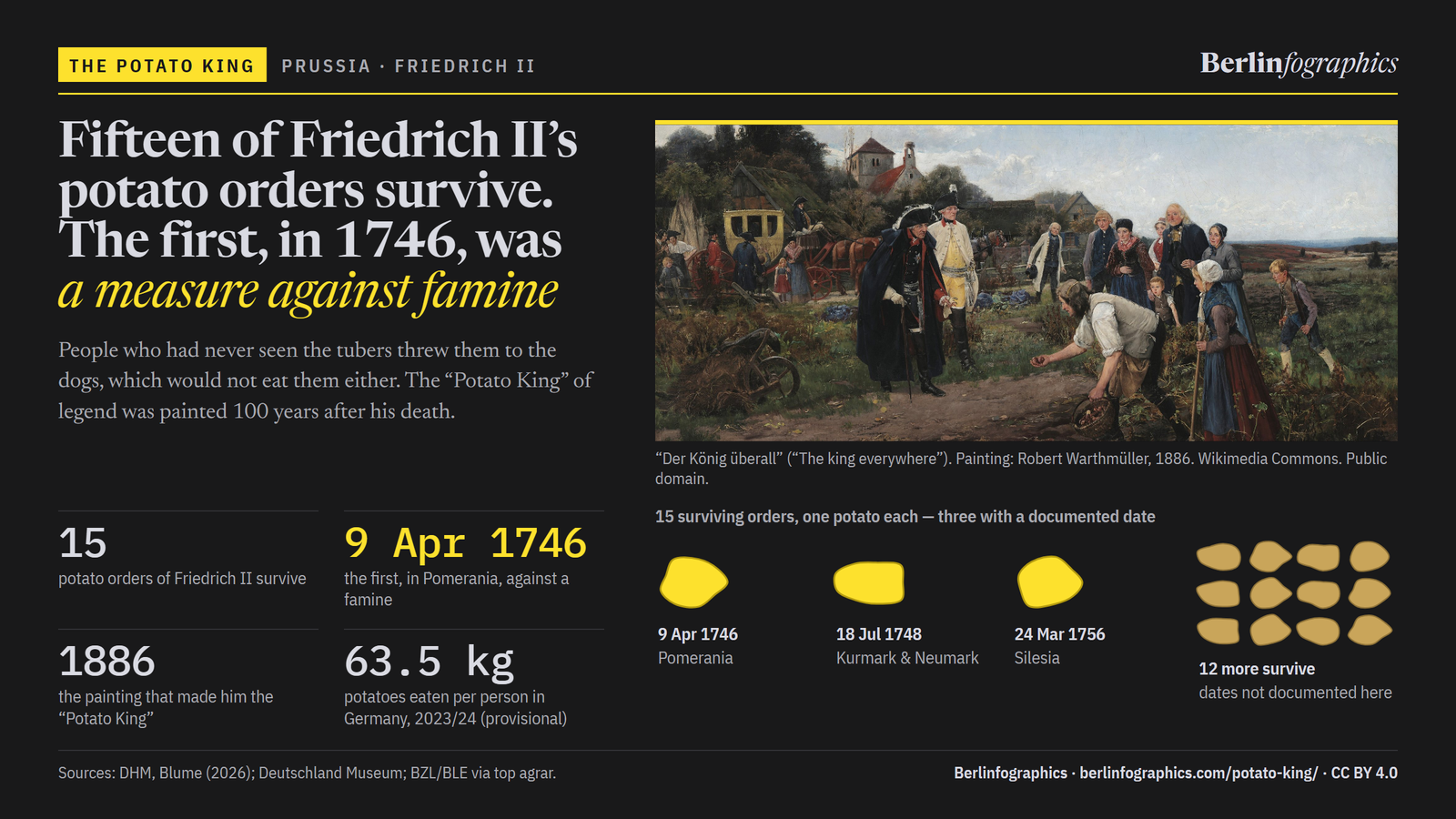
The infographic as one image: headline, key figures, chart, sources and credit, 2,400 × 1,350 px PNG. Please use it unedited.
Download landscape (PNG)
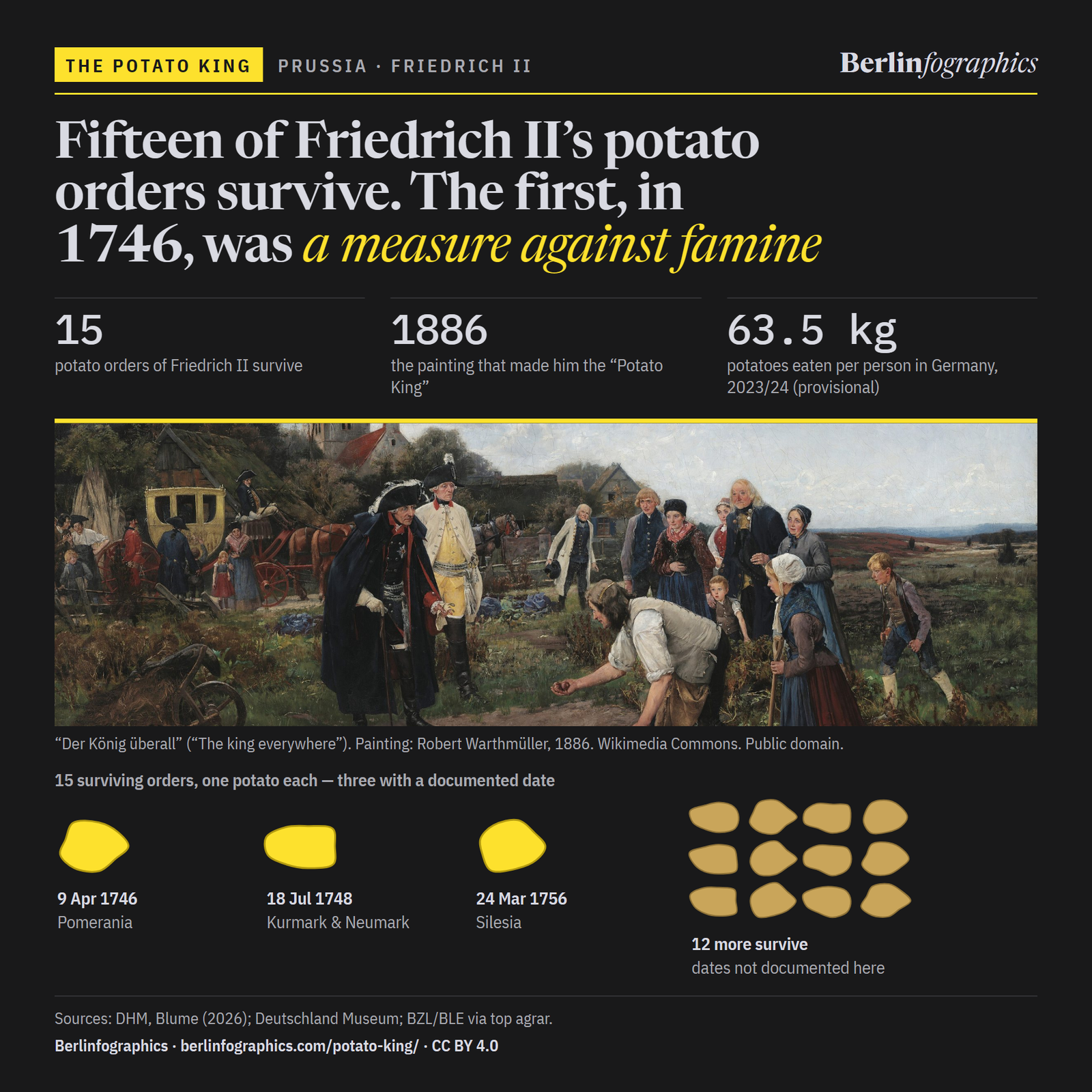
Square format
A 1:1 version for social media and narrow columns, 1,800 × 1,800 px.
Download square (PNG)
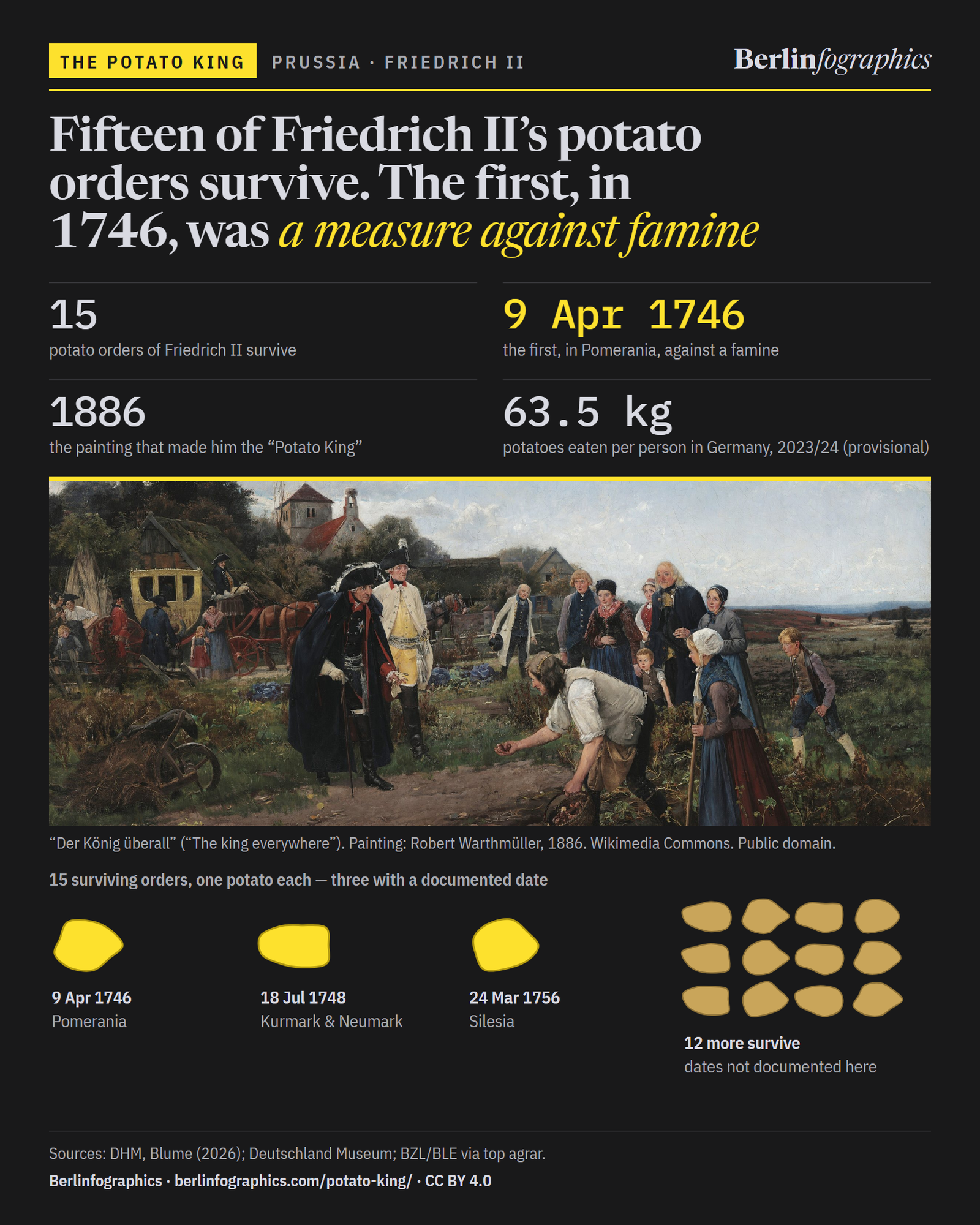
Portrait 4:5
For Instagram and LinkedIn feeds, 1,620 × 2,025 px.
Download portrait (PNG)Credit line
Berlinfographics (berlinfographics.com), CC BY 4.0
Citation
Berlinfographics (2026). “The Potato King”. Berlin Experiences. https://berlinfographics.com/potato-king/
Wikipedia
{{cite web |title=The Potato King |url=https://berlinfographics.com/potato-king/ |website=Berlinfographics |publisher=Berlin Experiences |date=2026-11-05 |access-date=2026-11-05}}
Our infographics, charts and texts are licensed CC BY 4.0: free to republish, including commercially, with credit to Berlinfographics and a link. Photographs keep their own licences, named in each caption. How to credit
Topics: The Second World War · Cold War Berlin · Nazi Berlin · Persecution & the Holocaust · Weimar Berlin · Prussia & the Kaiserreich · Architecture & the built city · Culture, science & society · Reunified Berlin · Unusual facts
Contact: info@berlinfographics.com · Press: press@berlinfographics.com · Imprint · Privacy