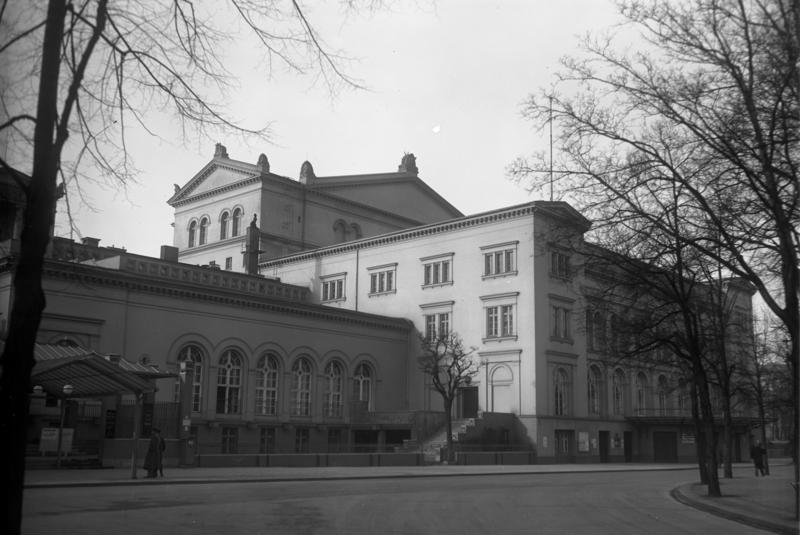
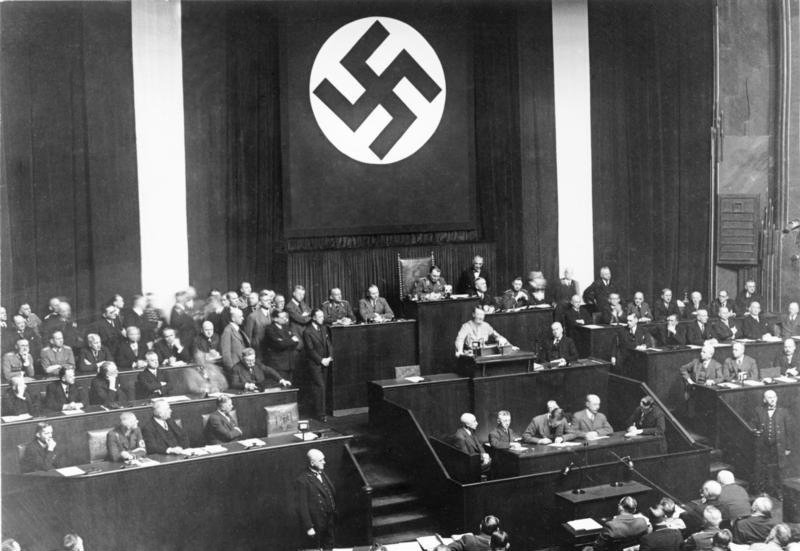
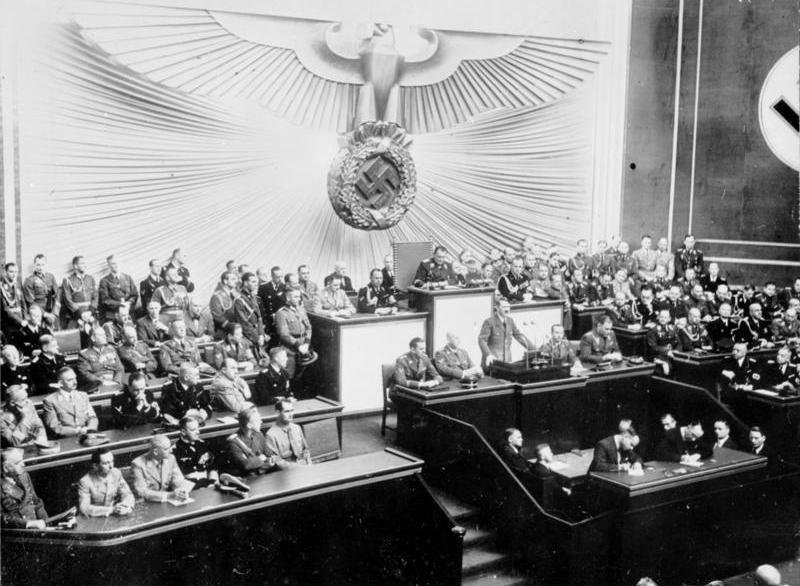
The Kroll Opera on the Platz der Republik, 1933, the year the Reichstag moved in.Bundesarchiv, Bild 183-U0613-504 / Unknown author / CC BY-SA 3.0 de
The Kroll Opera · Berlin 1933
The Reichstag’s own chamber had burned, so on 23 March 1933 the deputies met across the square in the Kroll Opera, with the SS at the cordon and armed SA men in the hall. Only the Social Democrats voted no. Four years earlier the same stage had been Berlin’s boldest opera house. It was blown up in 1951; a panel on a park path marks where it stood.
01Kroll Opera, 23 March 1933
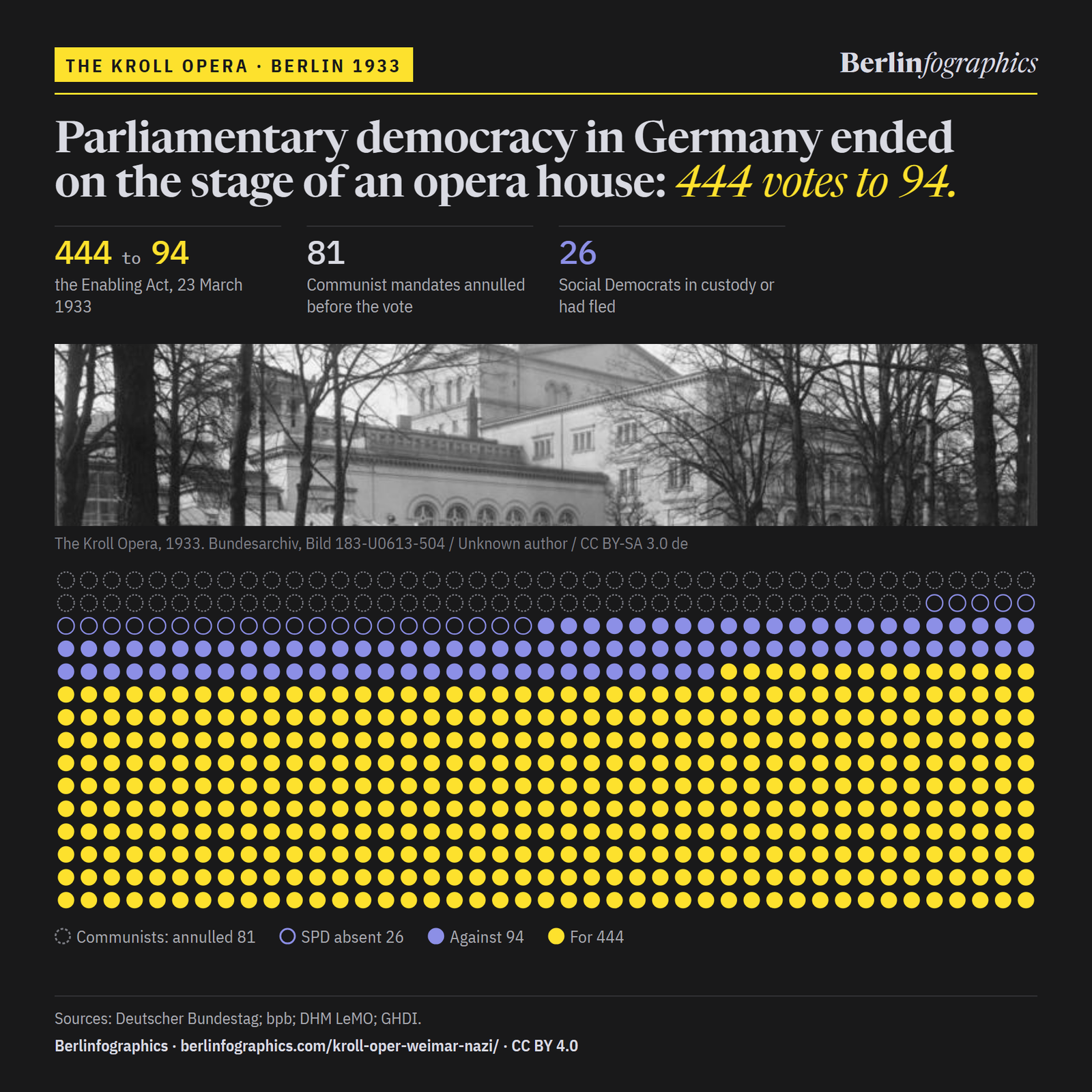
23 March 1933. The Enabling Act let the government make laws without parliament, at first for 4 years. The rules required two-thirds of all deputies to be present. The Reichstag changed its standing orders so that deputies absent without excuse could count as present. 81 Communist mandates had been annulled under the decrees that followed the Reichstag fire, and 26 Social Democrats were in custody or had fled.
The SS held the cordon outside the Kroll Opera; armed SA men guarded the hall inside. The government promised the Catholic Centre Party that “the rights of the churches will not be curtailed”. When their speaker, Otto Wels, had spoken, Hitler answered him: “Your hour has struck too.”
Every party but one voted for the act: 444 votes to 94. The 94 votes against were every Social Democrat in the hall. It was renewed in 1937, 1939 and 1943.
The vote, one dot per deputy
The groups run from left to right; this is not a seating plan. The 538 votes cast are the filled dots.

02The only speech against
„Wir deutschen Sozialdemokraten bekennen uns in dieser geschichtlichen Stunde feierlich zu den Grundsätzen der Menschlichkeit und der Gerechtigkeit, der Freiheit und des Sozialismus. Kein Ermächtigungsgesetz gibt Ihnen die Macht, Ideen, die ewig und unzerstörbar sind, zu vernichten.“
“We German Social Democrats solemnly pledge ourselves, in this historic hour, to the principles of humanity and justice, of freedom and socialism. No Enabling Act gives you the power to destroy ideas that are eternal and indestructible.”
Otto Wels for the SPD, Kroll Opera, 23 March 1933
He went on: „Freiheit und Leben kann man uns nehmen, die Ehre nicht.“ (“You can take our freedom and our lives, but not our honour.”). His were the last free words spoken in a German parliament for the next 13 years. On 7 July 1933 the Reich interior minister annulled every SPD mandate in the Reichstag and in all other parliaments.
03Königsplatz, later Platz der Republik
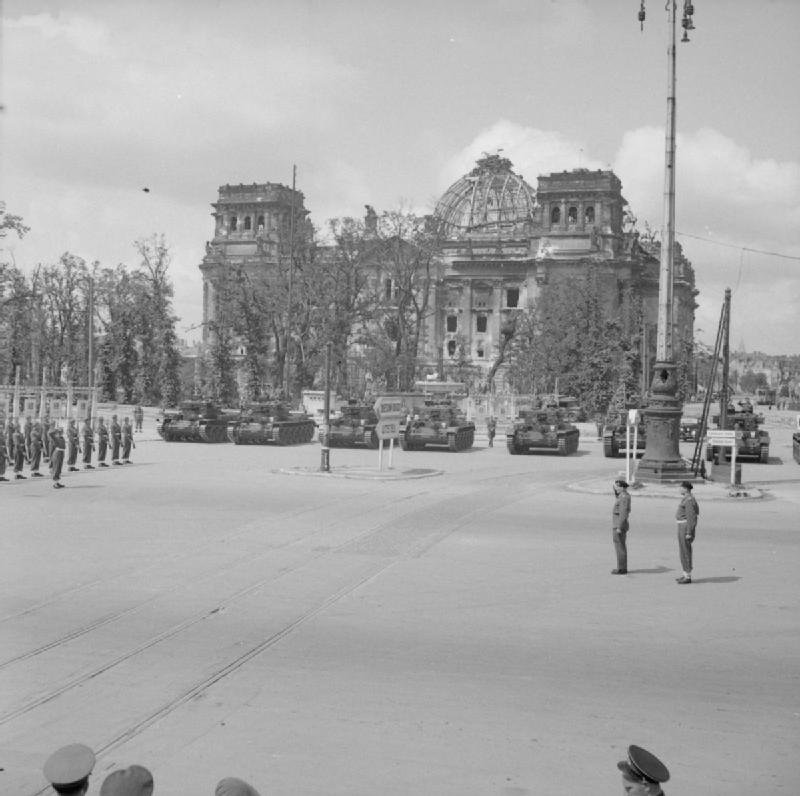
The Kroll stood on the west side of the Königsplatz, facing the Reichstag, for more than a century. Two time axes follow it as you read: the whole life above, the years from 1925 to 1960 enlarged below.
1843/44
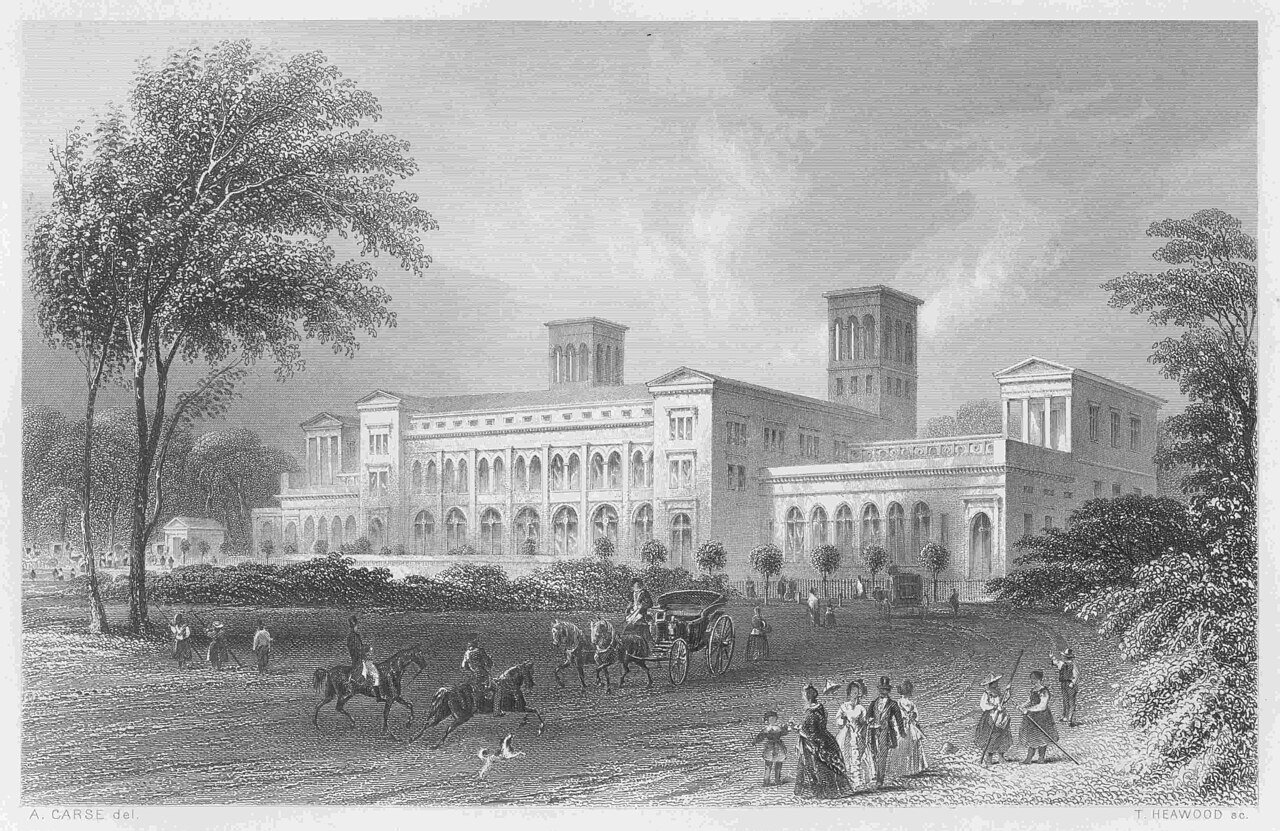
Joseph Kroll opens his Etablissement on the edge of the Tiergarten as a pleasure venue. It had halls, towers and a garden, just outside the Brandenburg Gate.
1852 · 1895–98
A new building replaces the first. In 1895–98 it was converted into an opera theatre.
autumn 1927 – July 1931
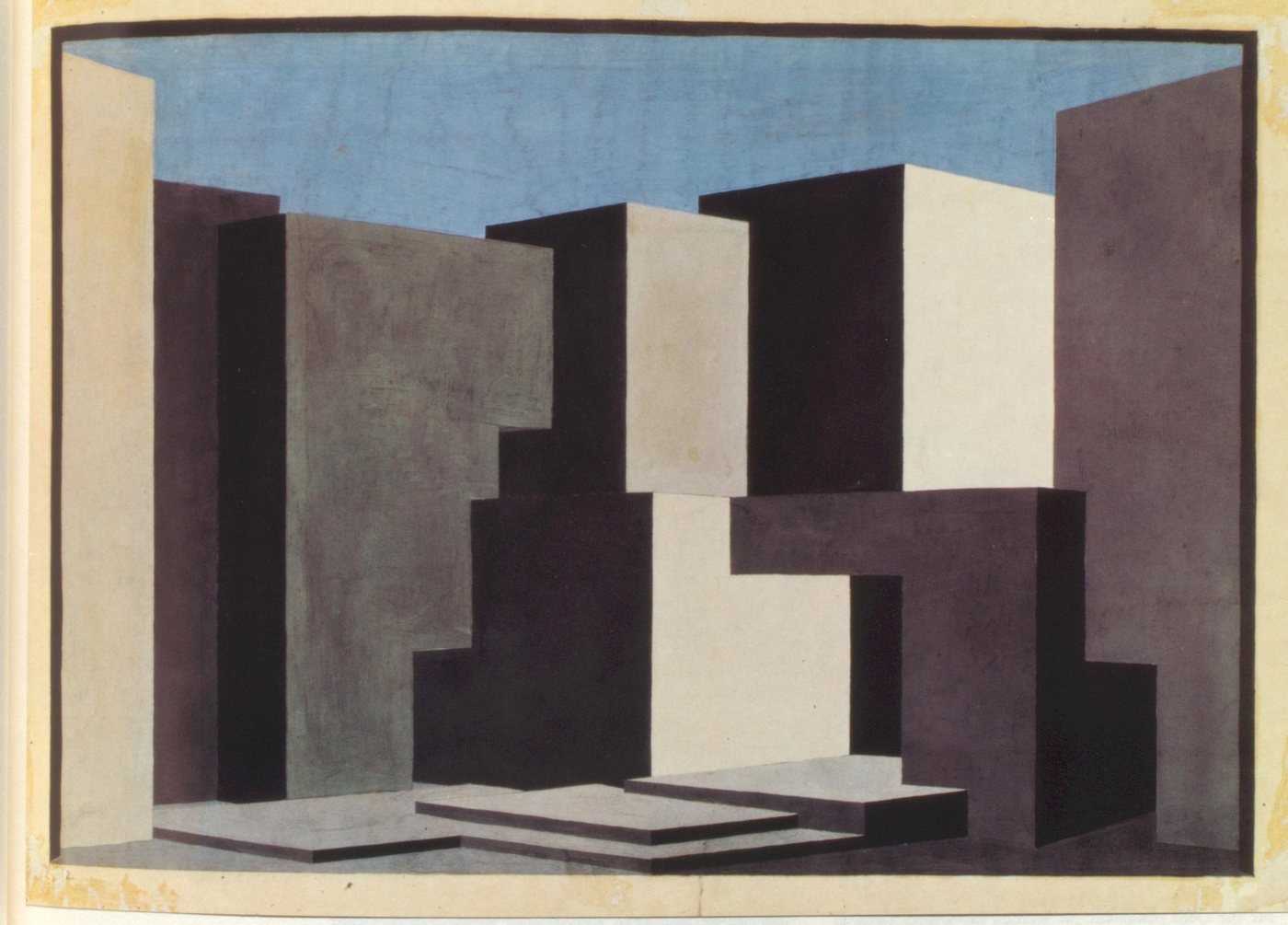
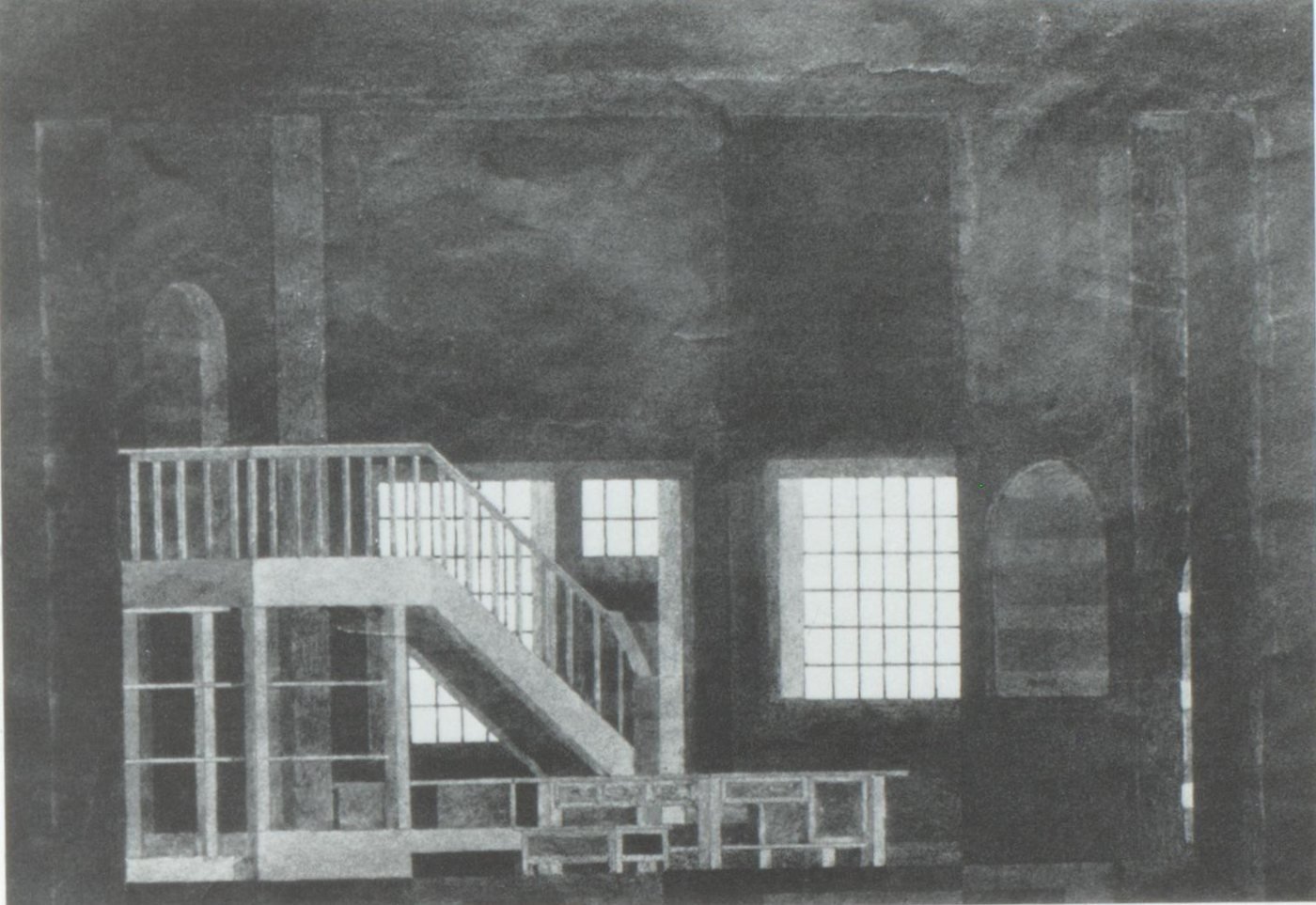
Otto Klemperer, born in Breslau in 1885, came from Wiesbaden in 1927 to take the musical direction of the Kroll. His Kroll staged the classics in stripped modern settings and the newest music beside them.
The repertoire
Stravinsky came to Berlin for the Kroll's staging of Oedipus Rex under Klemperer, on an evening with Petrushka and Mavra. The house gave the world premiere of Hindemith’s Neues vom Tage on 8 June 1929, and staged Schoenberg’s Die glückliche Hand in 1930.
July 1931
The Kroll Opera has to close for financial reasons. Its musical director moved to the Staatsoper Unter den Linden; in 1933 he was driven out of Germany. The building stood empty.
March 1933
With the Reichstag's chamber burned out, the opera's Großer Theatersaal is converted into a provisional chamber from the second week of March. The ceiling is lowered and covered with fabric; stage and orchestra pit are built over for the presidium, the government benches and the stenographers.
21 March 1933
After the state ceremony in Potsdam, the first sitting in the Kroll opens at 17:00. Its only business is to elect the presidium. Two days later, on this stage, the Enabling Act passed by 444 votes to 94.
1933–1942
The Reichstag met only 18 times up to 1942, mostly to hear the government. The last sitting, on 26 April 1942, gave Hitler supreme judicial power.
22 November 1943
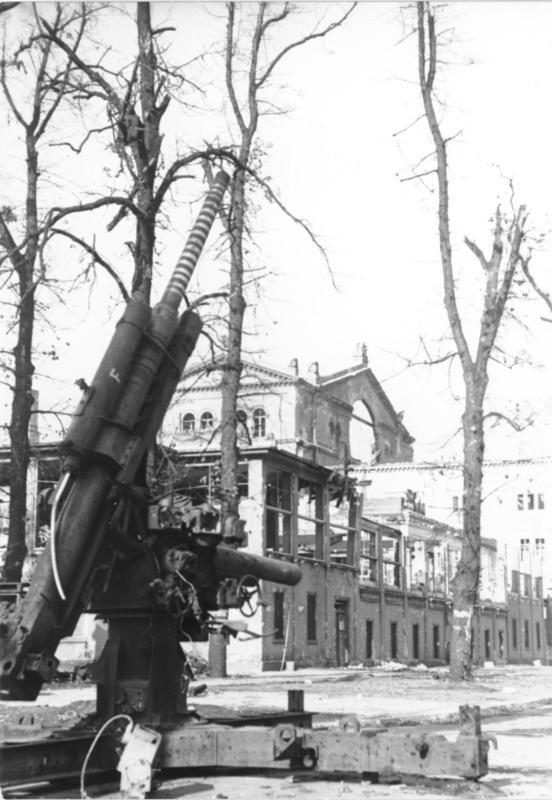
The building is badly hit in a night air raid, and damaged again in the fighting of April 1945.
March 1951 – autumn 1957
Large parts of the main building are blown up and removed. By autumn 1957 the last ruins and rubble were gone. The Reichstag across the square was rebuilt; the Kroll was not.
31 August 2007
A two-sided information panel on the Kroll Opera is unveiled on the Große Querallee. A memorial stone also marks the building where parliamentary democracy in Germany ended in 1933.
04The Reichstag in the Kroll Opera, 1933–1942
The sitting of 17 May 1933 was the last at which more than one party sat in the hall. After that, the regime used the opera stage to announce. Some of what was said on it:
Sittings on the Kroll stage, on one time axis
Seven of the 18 sittings the Bundestag counts up to 1942, those whose dates and business an institution records. Other counts give 19 or 20.

For four seasons it was the boldest stage in Berlin. Then the Reichstag voted away its own power on it.
Nothing of the building is left. A panel on a park path says where it stood.

Press & citation
Free to publish under CC BY 4.0 — in print, online, on Wikipedia and in teaching, commercially or not — with credit to Berlinfographics and a link to this page.
Ready-to-use image
The infographic as one image: headline, key figures, chart, sources and credit, 2,400 × 1,350 px PNG. Please use it unedited.
Download landscape (PNG)
Square format
A 1:1 version for social media and narrow columns, 1,800 × 1,800 px.
Download square (PNG)
Portrait 4:5
For Instagram and LinkedIn feeds, 1,620 × 2,025 px.
Download portrait (PNG)Credit line
Berlinfographics (berlinfographics.com), CC BY 4.0
Citation
Berlinfographics (2026). “The Kroll Opera, 1933: the Enabling Act on an opera stage”. Berlin Experiences. https://berlinfographics.com/kroll-oper-weimar-nazi/
Wikipedia
{{cite web |title=The Kroll Opera, 1933: the Enabling Act on an opera stage |url=https://berlinfographics.com/kroll-oper-weimar-nazi/ |website=Berlinfographics |publisher=Berlin Experiences |date=2026-11-09 |access-date=2026-11-09}}
Our infographics, charts and texts are licensed CC BY 4.0: free to republish, including commercially, with credit to Berlinfographics and a link. Photographs keep their own licences, named in each caption. How to credit
Topics: The Second World War · Cold War Berlin · Nazi Berlin · Persecution & the Holocaust · Weimar Berlin · Prussia & the Kaiserreich · Architecture & the built city · Culture, science & society · Reunified Berlin · Unusual facts
Contact: info@berlinfographics.com · Press: press@berlinfographics.com · Imprint · Privacy