

Egypt’s position
The bust was taken to Germany illegally.
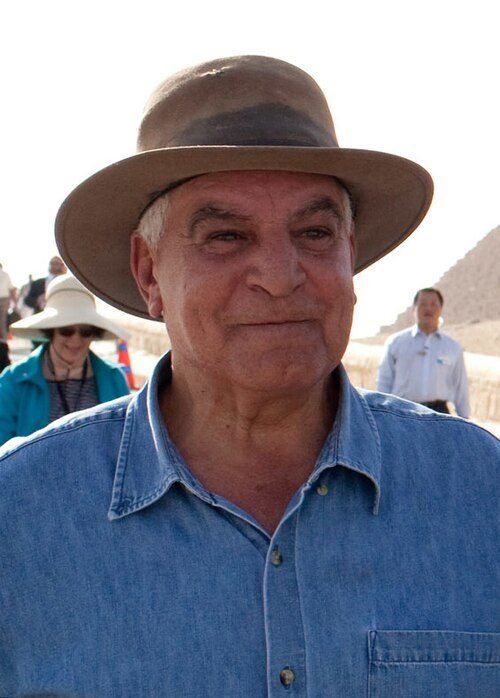
Zahi Hawass, then head of Egypt's Supreme Council of Antiquities, at Giza in June 2009. Official White House photo by Pete Souza, 2009. Wikimedia Commons. Public domain.
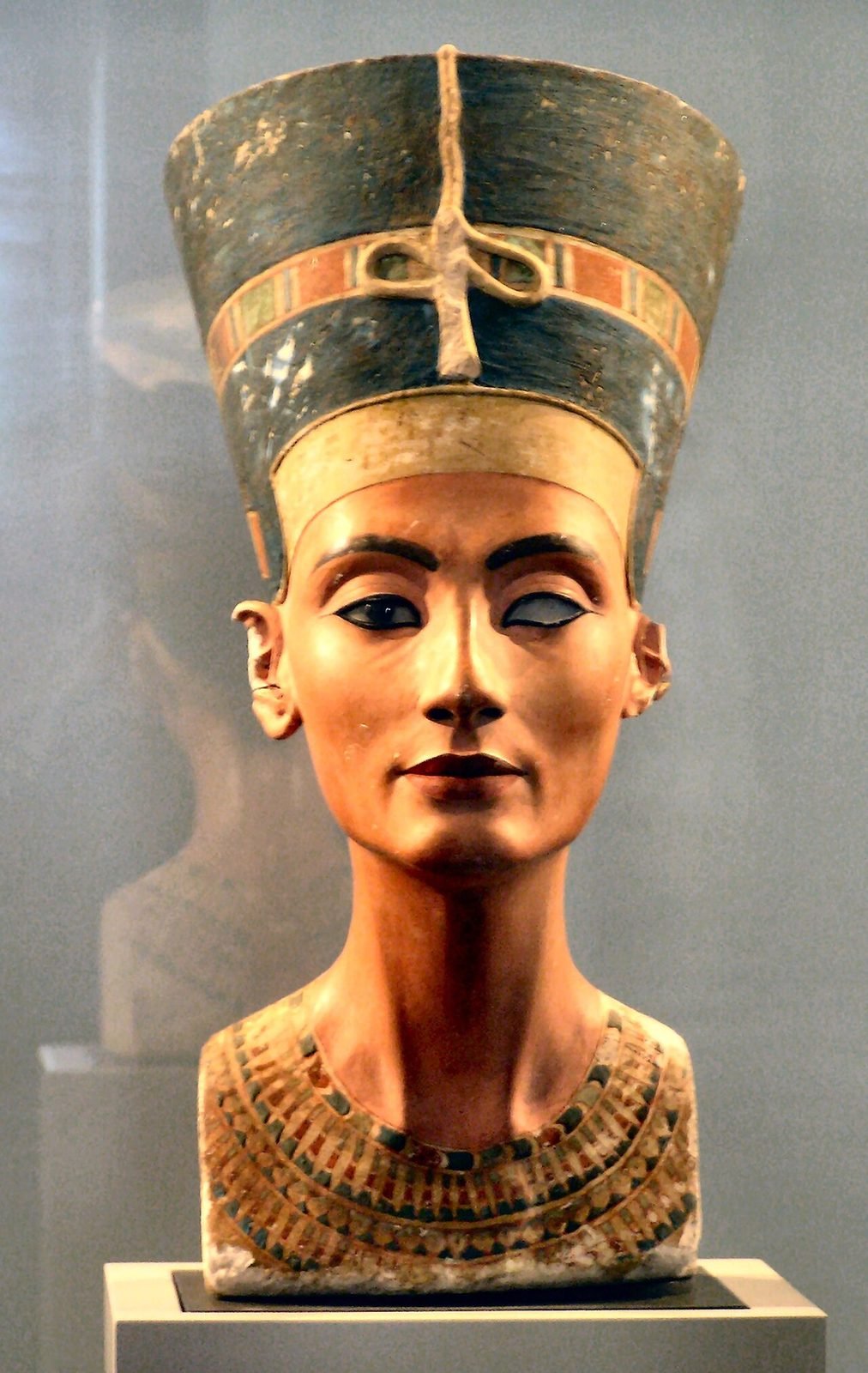
The bust of Nefertiti in the Neues Museum, Berlin, June 2026.Laurens R. Krol, 2026. Wikimedia Commons. CC BY 4.0.
The bust of Nefertiti
Ludwig Borchardt’s excavation found her at Tell el-Amarna on 6 December 1912. She came to Berlin in the division of 20 January 1913. This is every place she has been kept since, and every time Egypt has asked for her back.
01Akhetaten · Tell el-Amarna
The bust was made around 1351–1334 BCE, the museum’s dating, in Akhetaten, the city Akhenaten built for his new cult of the sun disc at what is now Tell el-Amarna in Middle Egypt. The house is linked by an inscription to the sculptor Thutmose.
It is limestone under painted stucco, with one inlaid eye of rock crystal; the other was probably never put in. Then it stayed in the ruins of the workshop. When it was covered, nobody knows; the record of it begins on the day it was dug out.

More than 3,359 years old. In Germany since 1913.
One linear scale. The yellow block is the museum’s dating, 1351–1334 BCE; the blue block is the time since the division of 1913, about 3 per cent of the bust’s life.
02House P 47.2 · room 19
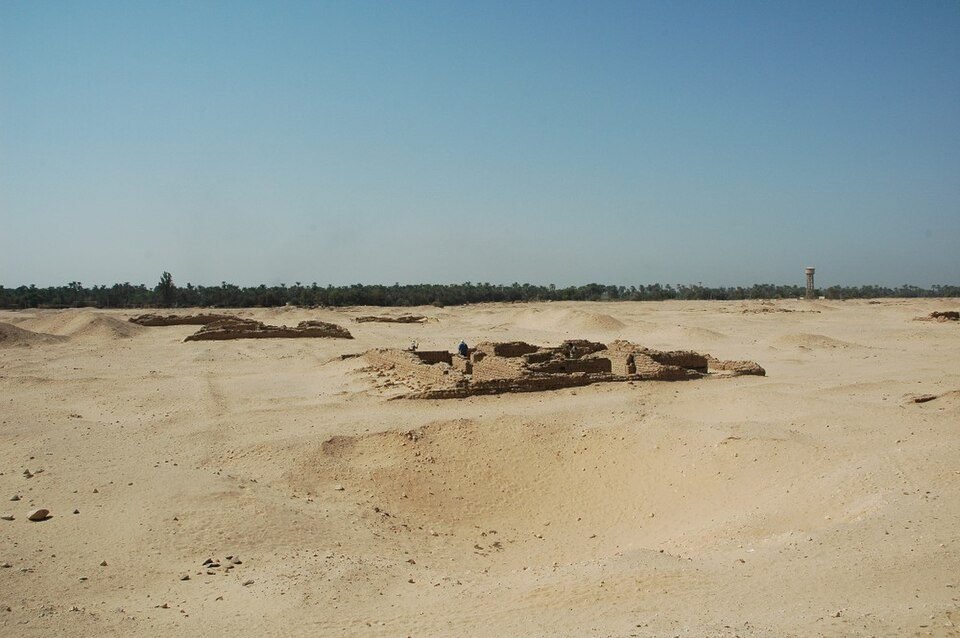
The excavation was led by the Egyptologist and building historian Ludwig Borchardt for the Deutsche Orient-Gesellschaft, and paid for by one man, the Berlin entrepreneur and patron James Simon. In house P 47.2, room 19, the workshop, the bust came out of the rubble close to the east wall, after a man’s portrait head had been lifted away.
“Beschreiben nützt nichts, ansehen.”Describing it is no use: look at it. Ludwig Borchardt’s diary, on the bust
Photographs were taken on the day. The objects were photographed properly in the dig house later that month, ready for the division of the season’s finds with Egypt’s Antiquities Service.
03The division of finds
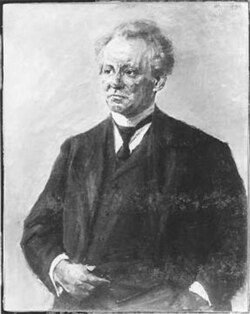
On 20 January 1913 the finds were split into 14 equal lots, 7 for each side. Gustave Lefebvre, the inspector for the Antiquities Service, wrote the document, and Borchardt countersigned it. The folding altar now in Cairo headed the Egyptian side; the bust was set against it on the German side.
Each square is one lot. The museum’s account: the altar was put first on the Egyptian side and the bust as its counterpart on the German side. Berlin’s seven went to James Simon, who had paid for the dig.
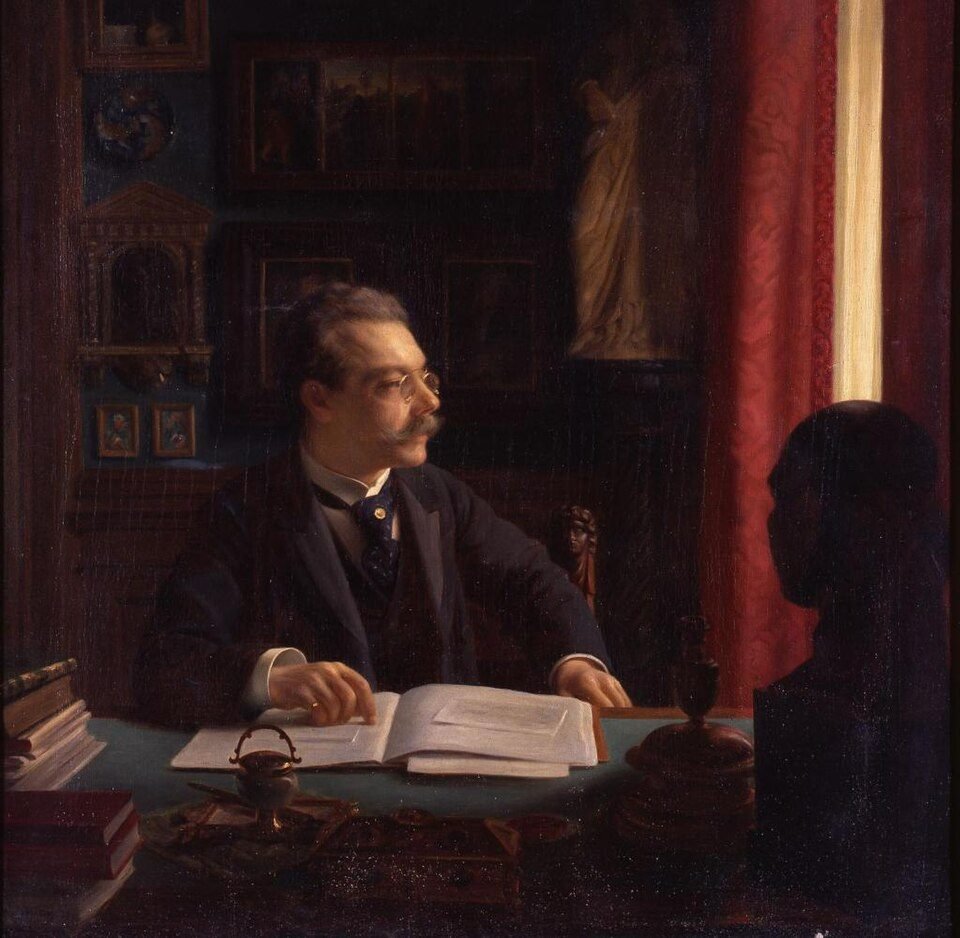
Simon kept the bust in his villa in Tiergartenstraße and lent the originals to the Egyptian Museum. In 1920 he made the loan a gift. When the Amarna finds went on show in 1913, the bust was left out. Whether Borchardt played down its worth at the division has been argued ever since; part 05 sets out the positions.
041912 to today
Every place the bust has been kept since 1912, on one linear scale. Where a source gives a day or a month, the bar starts or ends there; where it gives only a year, the bar fades across that year.
Where the bust has been, 1912 to today
6 December 1912 – 1913
The bust was photographed in the dig house and divided with the season’s other finds on 20 January 1913. It was shipped to Berlin the same year.
1913 – 1 April 1924
James Simon kept the bust in his villa in Tiergartenstraße, then lent it to the museum and gave it in 1920. For 11 years the public did not see it.
1 April 1924 – 1939
On 1 April 1924 the bust went on show in the Neues Museum. It stayed until the museums on Museum Island closed at the outbreak of war in 1939.
1939 – 4 April 1945
The bust was stored at various locations. By April 1945 it was in the Kaiseroda potash mine at Merkers, Thuringia, where US troops took the town on 4 April 1945. The sources differ on the route, so the bar is hatched.
4 April 1945 – 1956
The Americans moved the mine’s art to Frankfurt, then to their collecting point in the Wiesbaden museum. A small show there in 1946 drew 200,000 visitors.
1956 – 17 October 1967
In 1956 the bust came back to a divided city: to West Berlin, and the museums in Dahlem. Museum Island lay in the East.
17 October 1967 – August 2005
From 17 October 1967 she was the centrepiece of the Egyptian Museum in the eastern Stüler building, opposite Charlottenburg Palace.
August 2005 – 16 October 2009
In August 2005 the bust crossed back to Museum Island, to the upper floor of the Altes Museum, while the Neues Museum next door was rebuilt.
16 October 2009 – today
The rebuilt Neues Museum opened on 16 October 2009. The bust has been there since, in the museum she was first shown in.
1925 – 2011
The bottom row marks Egypt’s requests: the first in 1925, years of talks that ended in 1933, an appeal to UNESCO in 2005 and a letter in 2011.
05Asked back since 1925
The first demand reached Berlin in 1925, the year after the bust went on show. It came from the head of Egypt’s antiquities service, then the Frenchman Pierre Lacau. Berlin has never given her back, and says it has received no official request from the Egyptian state.
The head of Egypt’s antiquities service wrote to Berlin asking for the bust back.
Egypt offered high-ranking works from the Egyptian Museum in Cairo in exchange. Berlin kept the bust.
The negotiations dragged on for years until they were broken off for good in 1933.
Zahi Hawass, head of Egypt’s antiquities council, asked UNESCO to lead negotiations over five objects abroad, the bust among them.
Hawass wrote to the Prussian Cultural Heritage Foundation asking for the bust’s return. The foundation answered that the letter was not signed by Egypt’s prime minister and so was not an official request.
The bust was taken to Germany illegally.
Zahi Hawass, then head of Egypt's Supreme Council of Antiquities, at Giza in June 2009. Official White House photo by Pete Souza, 2009. Wikimedia Commons. Public domain.
The finds were recorded and shown in open crates; there was no deception, and Egypt has no legal claim.
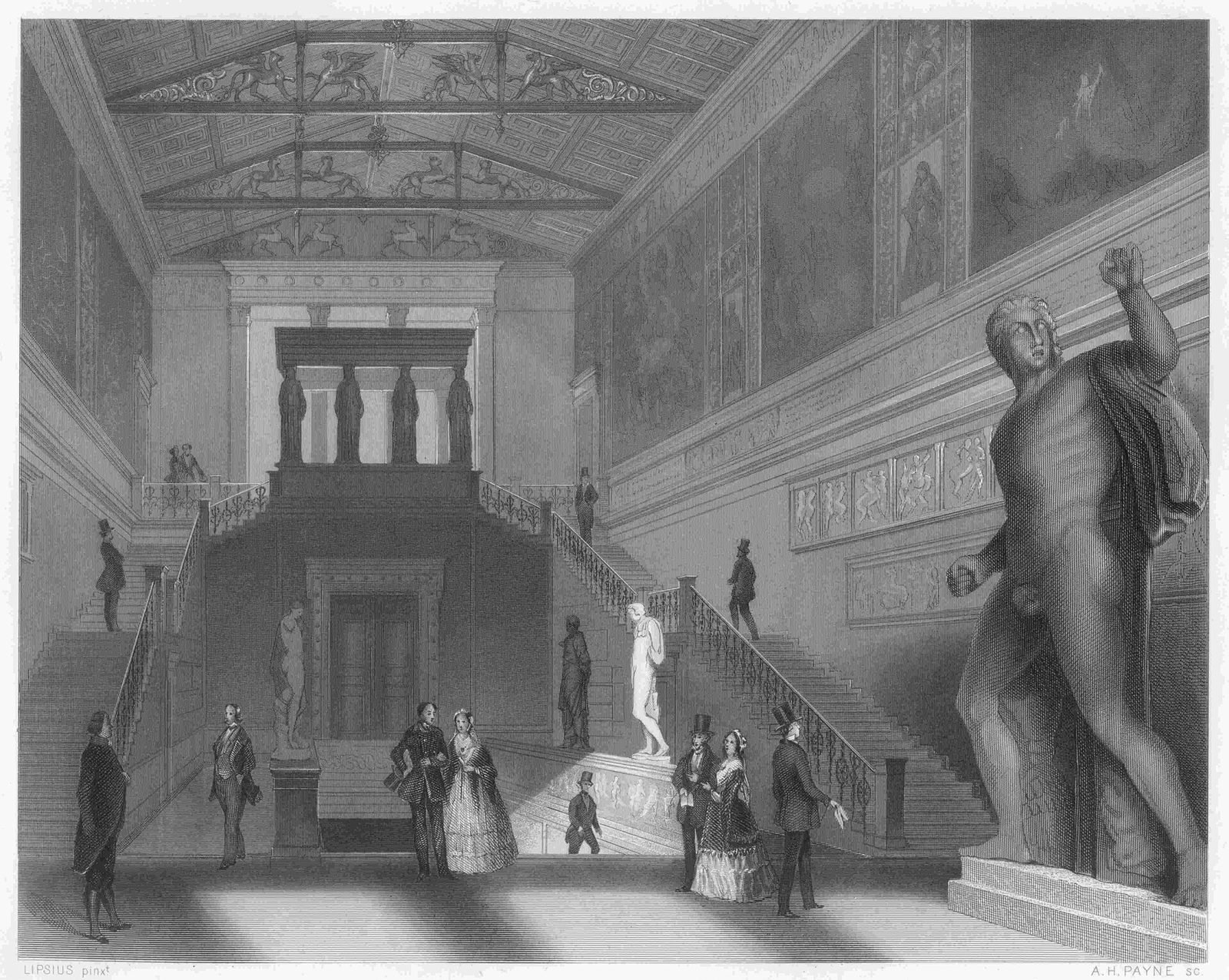
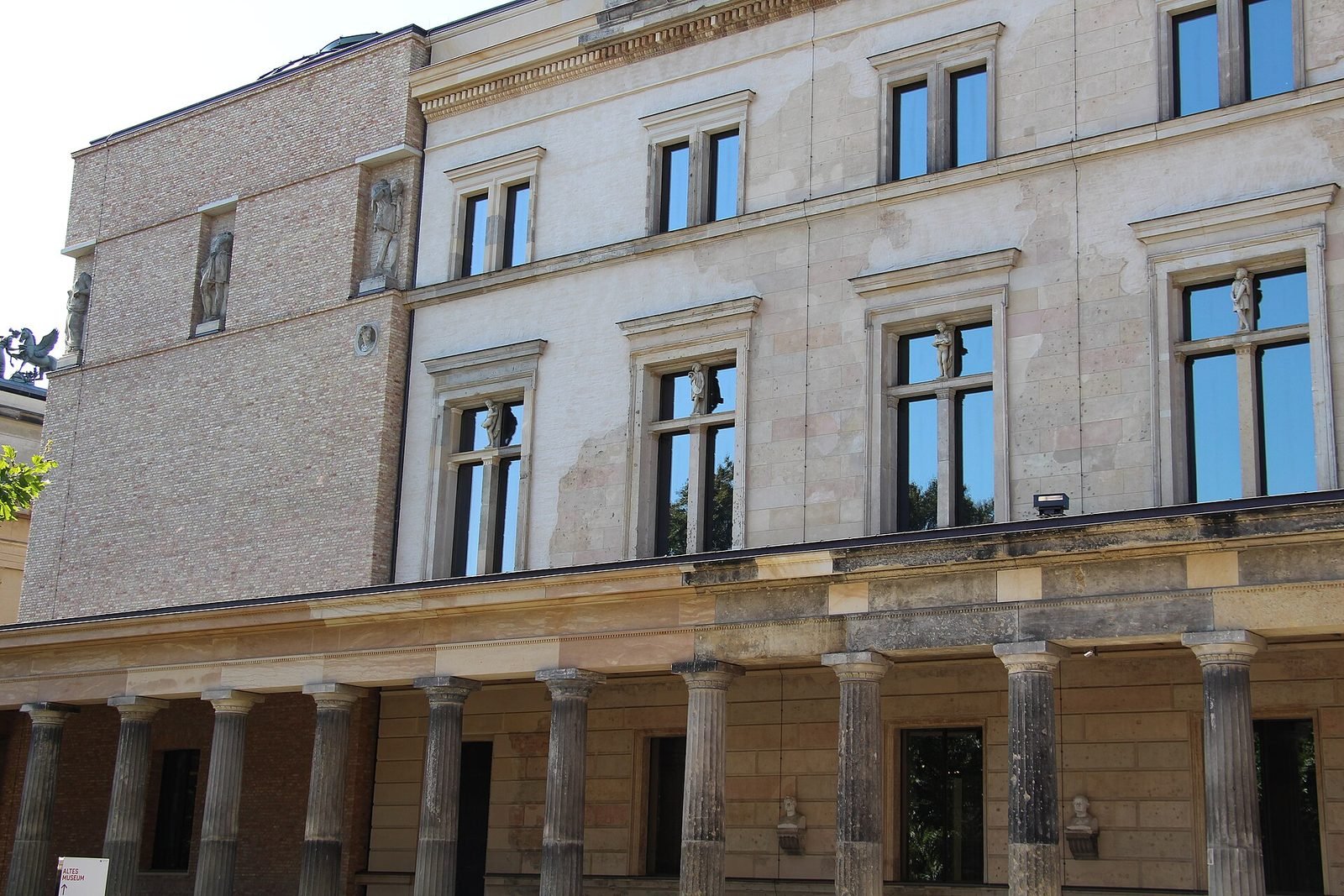
The Neues Museum on Museum Island, rebuilt by David Chipperfield and reopened in 2009, photographed in 2016. Fred Romero from Paris, France, 2016. Wikimedia Commons. CC BY 2.0.
Savoy, working from the files of the Egyptian antiquities service, calls the story that Borchardt deceived the inspector a legend rather than a fact.
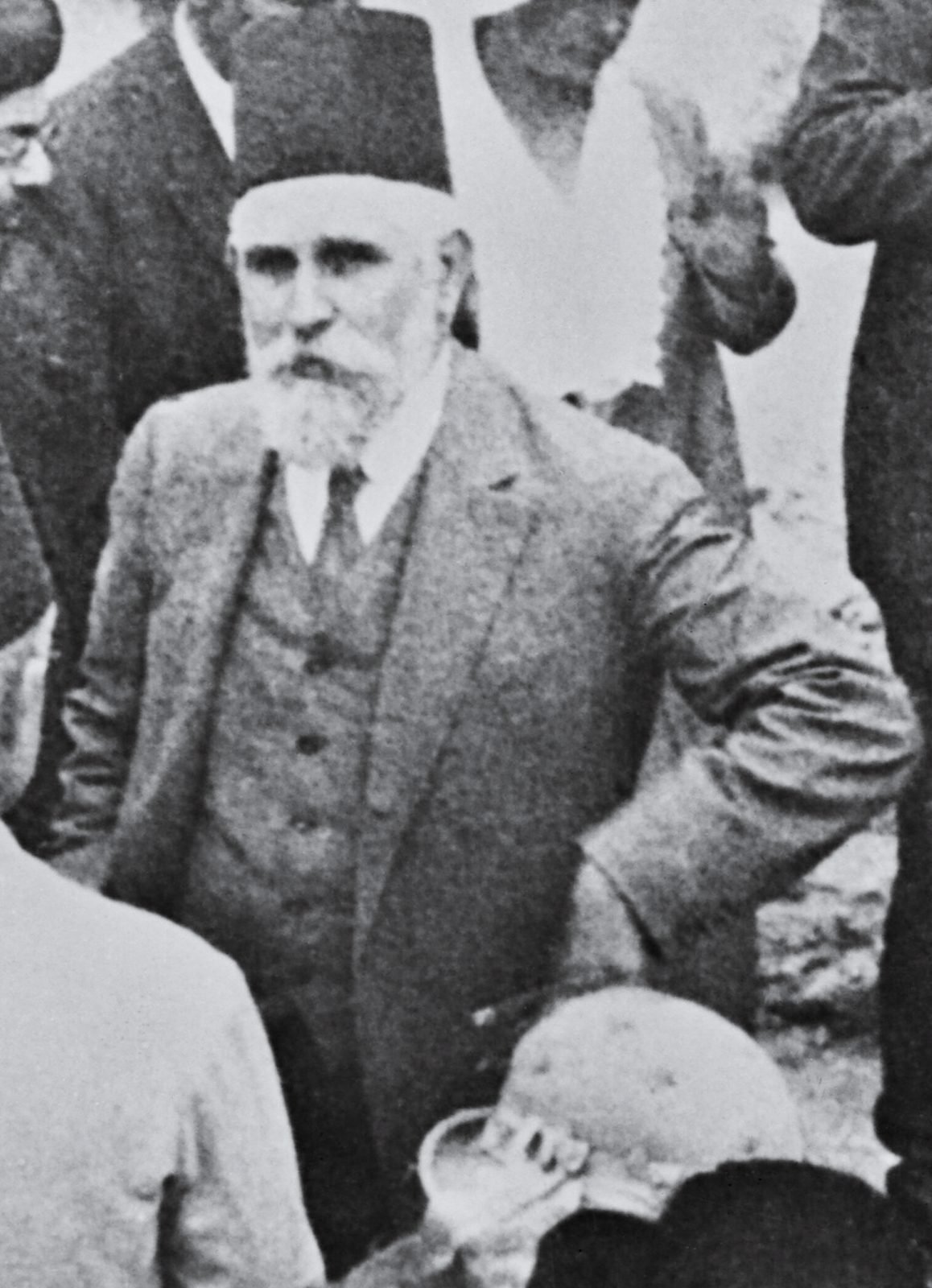
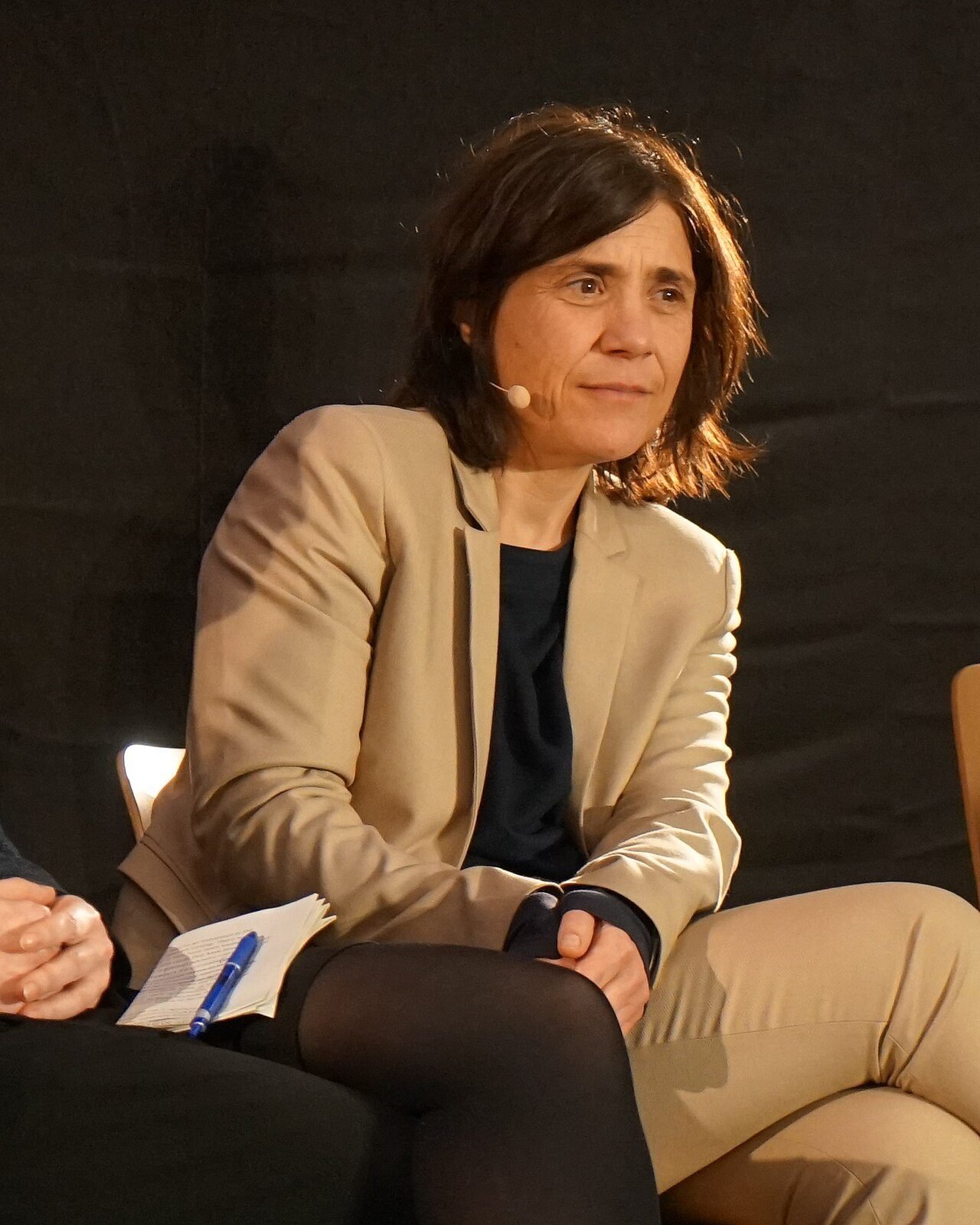
The art historian Bénédicte Savoy, 2024. Rudolf H. Boettcher, 2024. Wikimedia Commons. CC BY-SA 4.0.
She has been back in the Neues Museum since 2009, in the building where she was first shown.
Egypt first asked for her in 1925. Berlin’s position remains unchanged.
Press & citation
Free to publish under CC BY 4.0 — in print, online, on Wikipedia and in teaching, commercially or not — with credit to Berlinfographics and a link to this page.
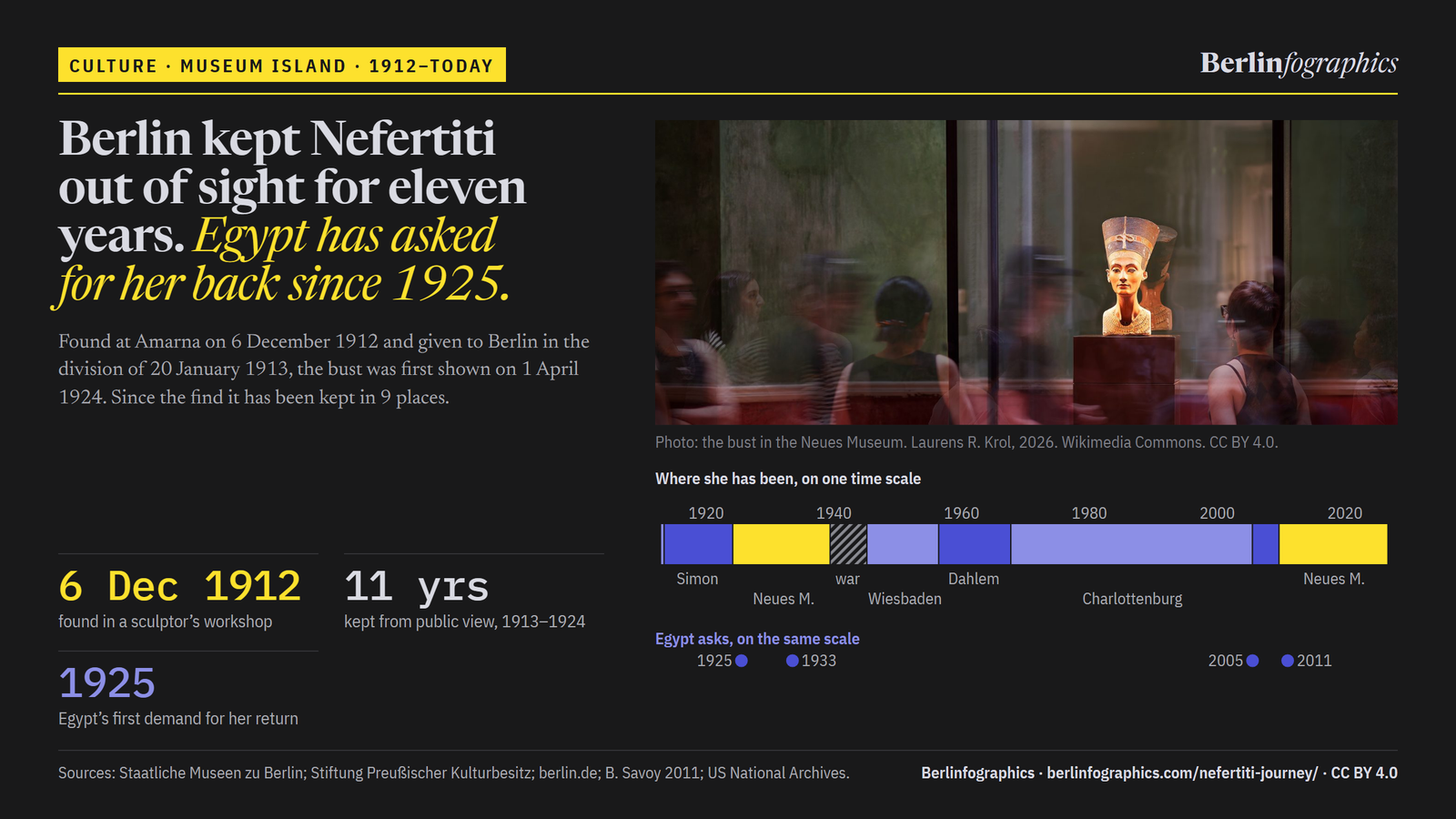
Ready-to-use image
The infographic as one image: headline, key figures, chart, sources and credit, 2,400 × 1,350 px PNG. Please use it unedited.
Download landscape (PNG)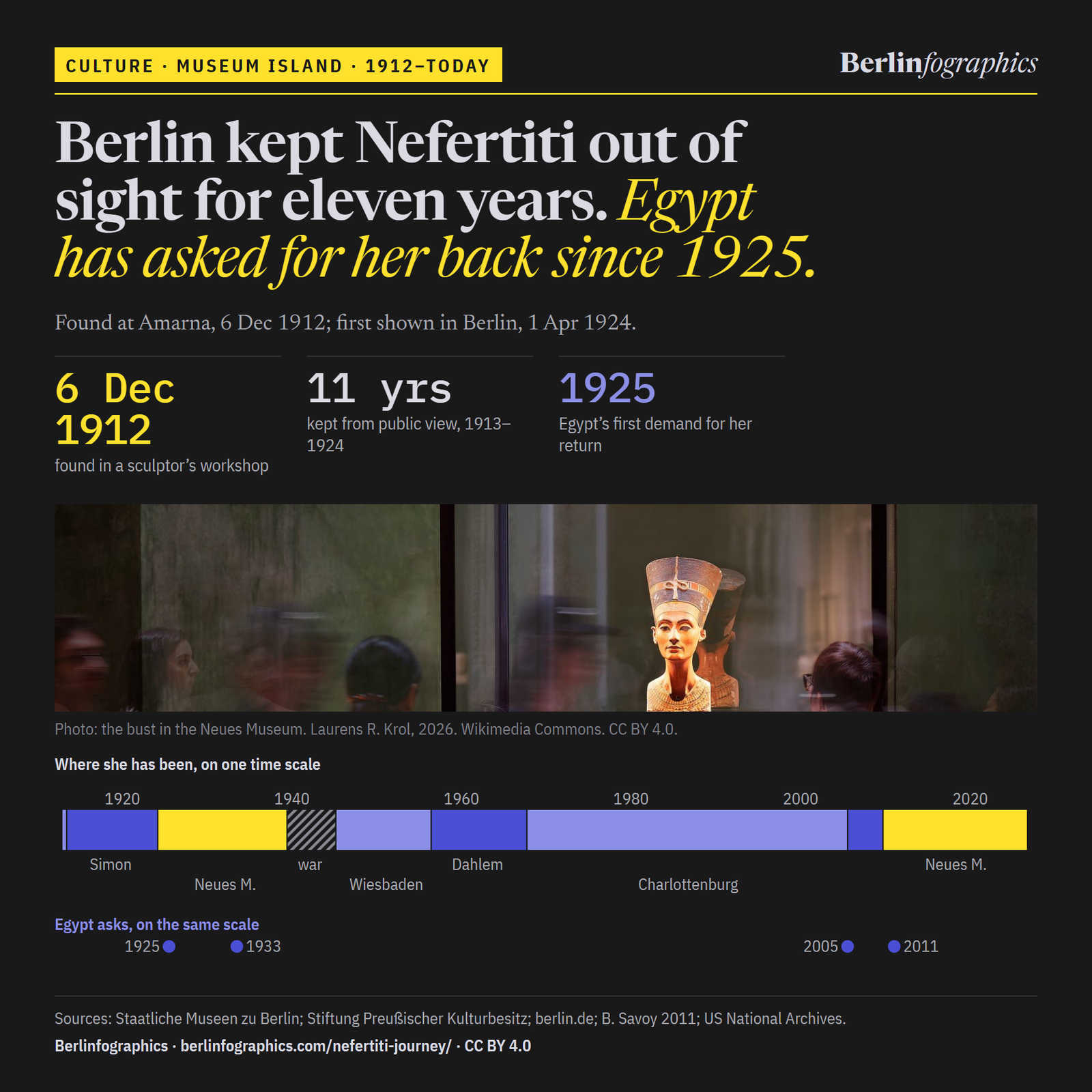
Square format
A 1:1 version for social media and narrow columns, 1,800 × 1,800 px.
Download square (PNG)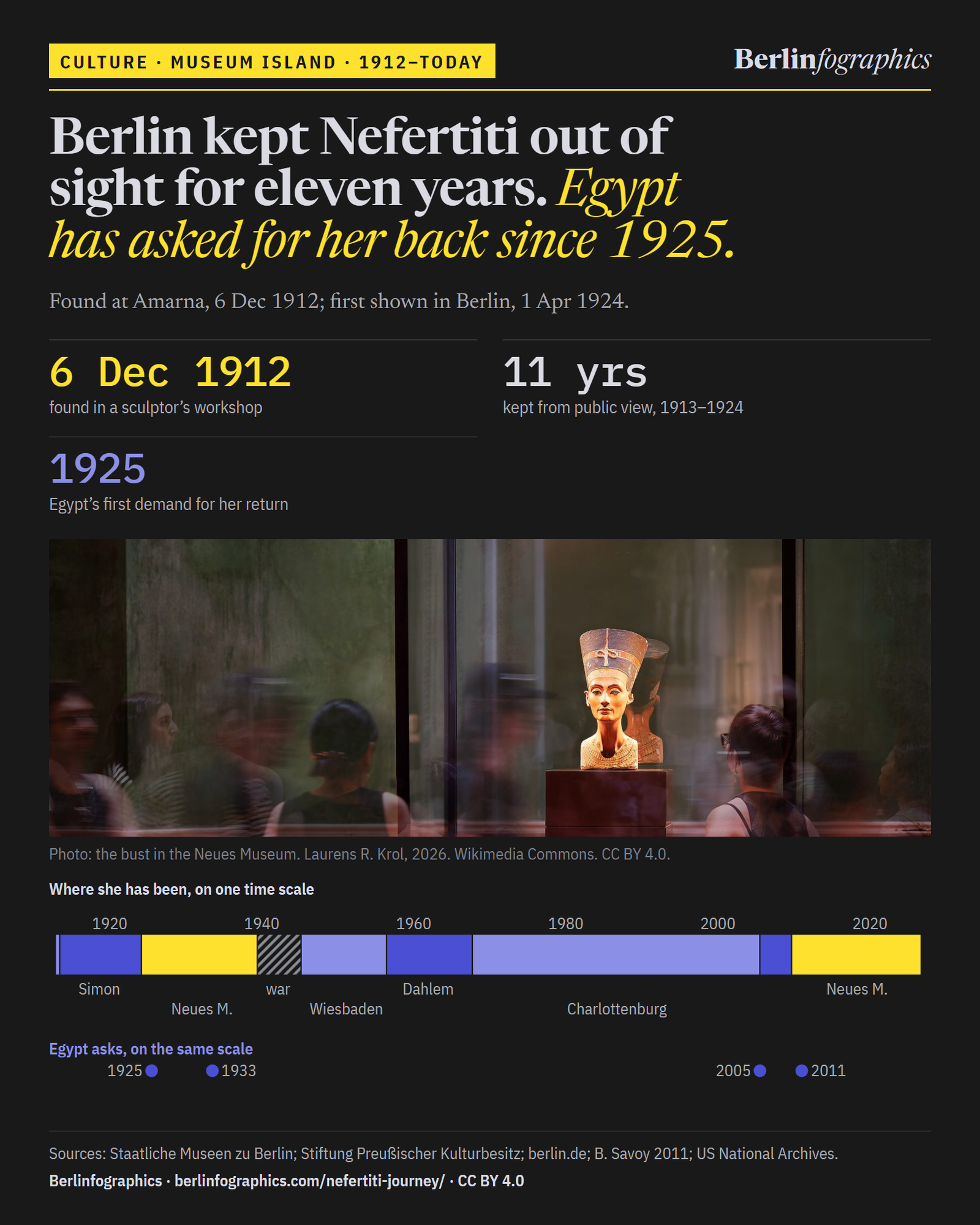
Portrait 4:5
For Instagram and LinkedIn feeds, 1,620 × 2,025 px.
Download portrait (PNG)Credit line
Berlinfographics (berlinfographics.com), CC BY 4.0
Citation
Berlinfographics (2026). “The bust of Nefertiti, 1912 to today”. Berlin Experiences. https://berlinfographics.com/nefertiti-journey/
Wikipedia
{{cite web |title=The bust of Nefertiti, 1912 to today |url=https://berlinfographics.com/nefertiti-journey/ |website=Berlinfographics |publisher=Berlin Experiences |date=2026-11-09 |access-date=2026-11-09}}
Our infographics, charts and texts are licensed CC BY 4.0: free to republish, including commercially, with credit to Berlinfographics and a link. Photographs keep their own licences, named in each caption. How to credit
Topics: The Second World War · Cold War Berlin · Nazi Berlin · Persecution & the Holocaust · Weimar Berlin · Prussia & the Kaiserreich · Architecture & the built city · Culture, science & society · Reunified Berlin · Unusual facts
Contact: info@berlinfographics.com · Press: press@berlinfographics.com · Imprint · Privacy